Youth Organizations Trained in Dar es Salaam
18-20 March 2026, Dar es Salaam, Tanzania
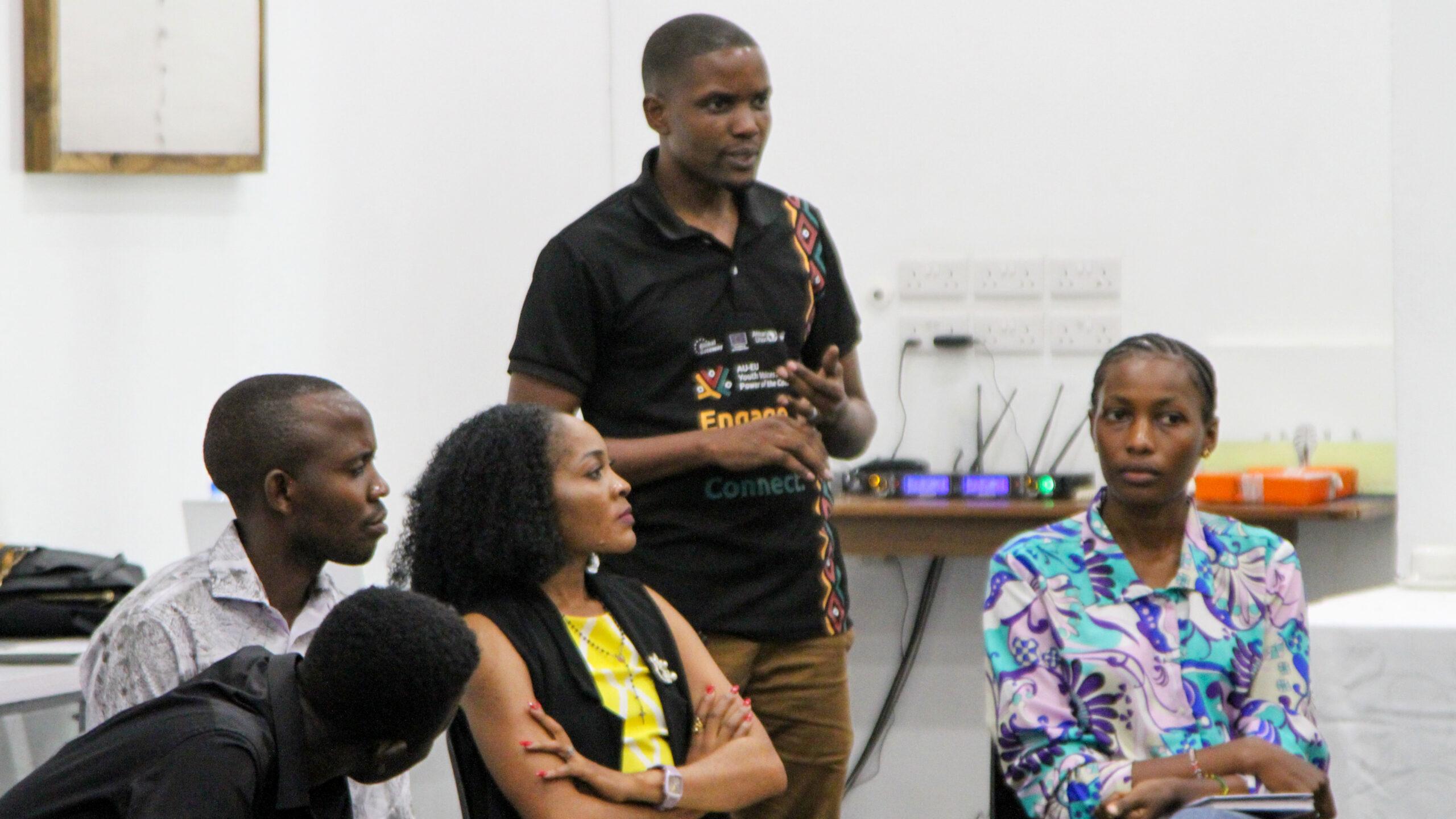
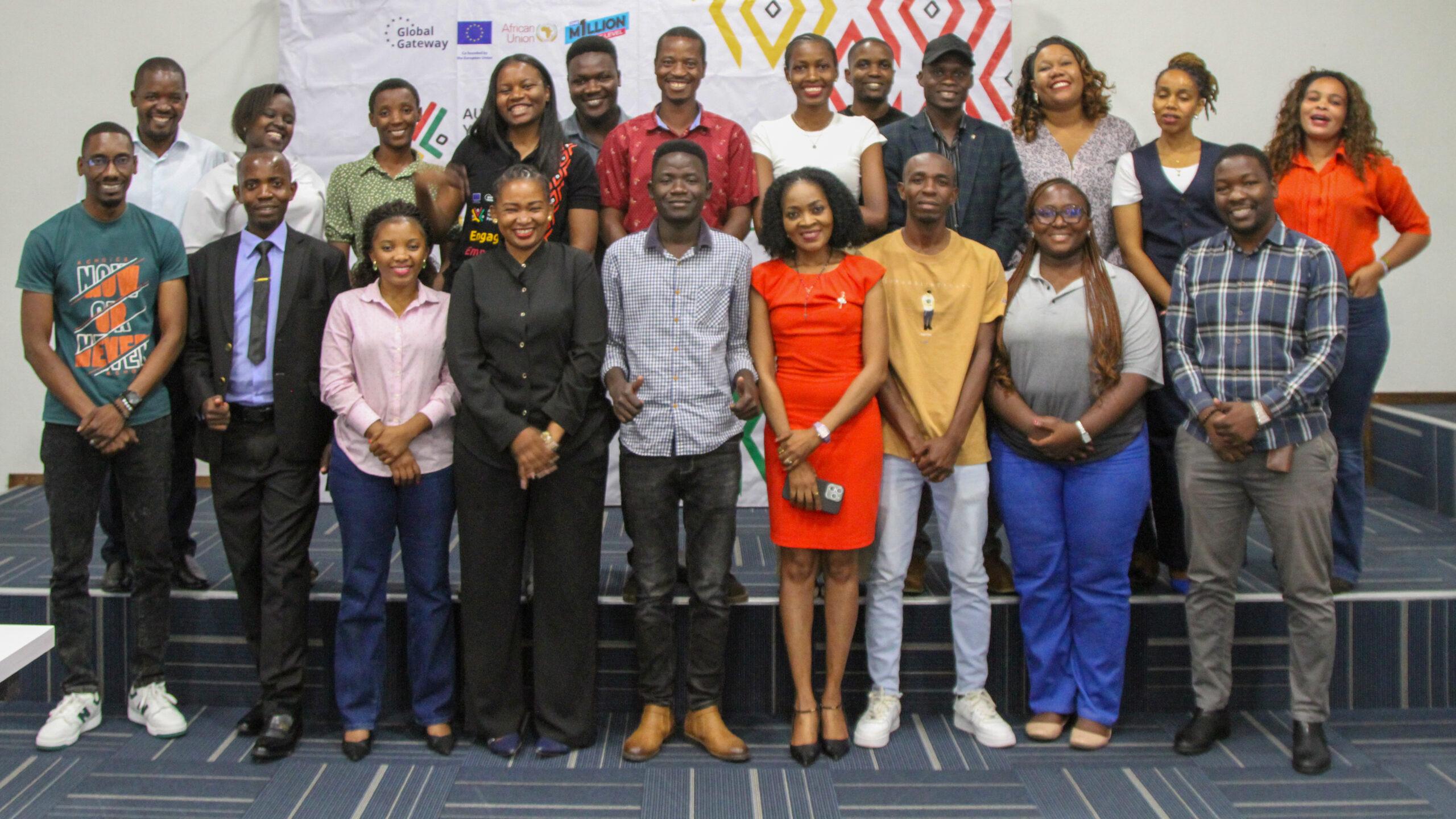
From 18-20 March 2026, our Consortium Partner, Restless Development hosted a three-day safeguarding training in Dar es Salaam, Tanzania, for 20 representatives from youth-led organizations across Africa. The training, under the AU-EU Youth Voices Lab framework, strengthed safeguarding systems, accountability, and well-being practices within youth movements.
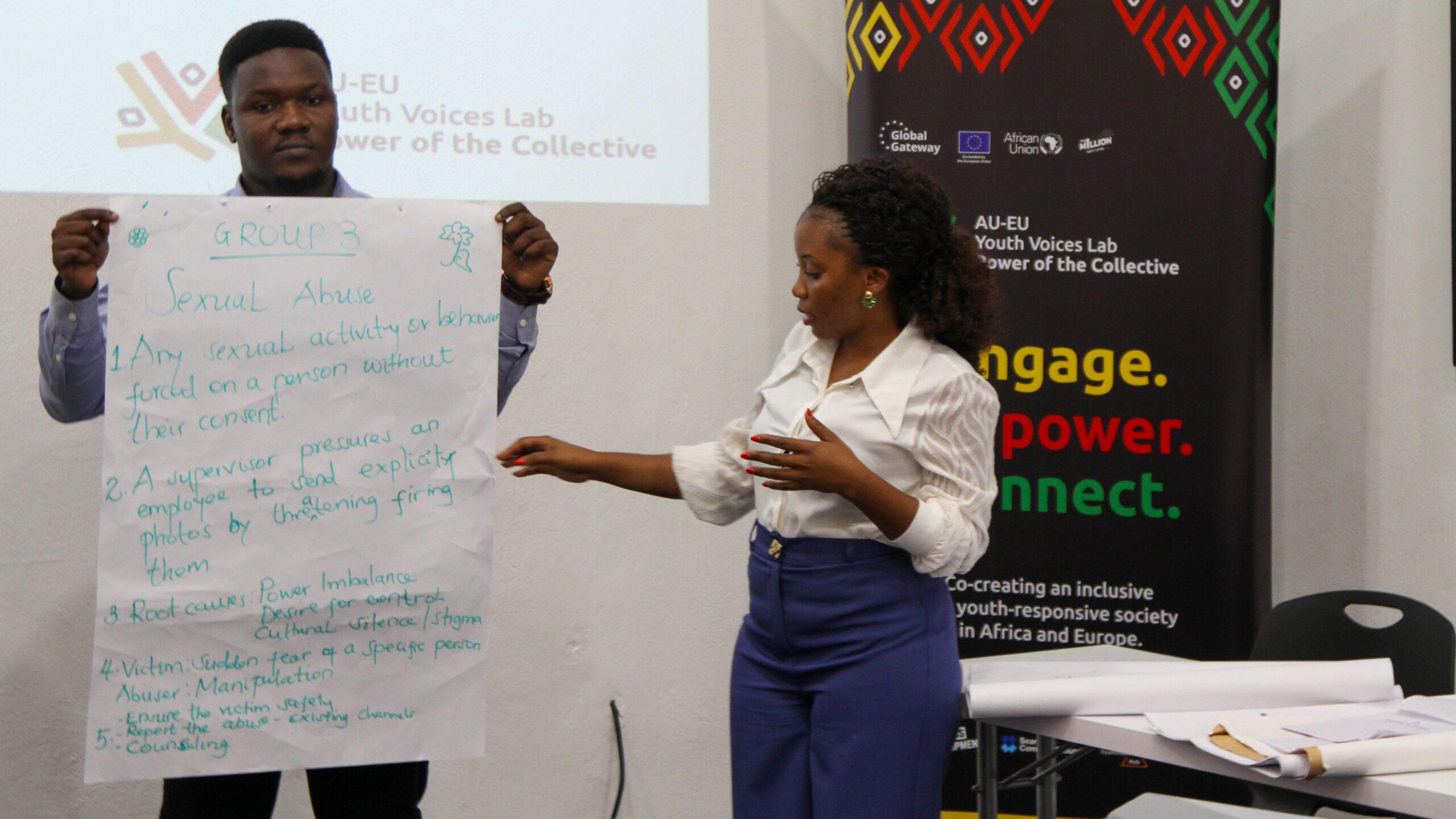
The training focused on equipping participants, ranging from safeguarding focal points to programme leads and organizational leaders, with practical skills and knowledge to identify, prevent, and respond to safeguarding risks. Core topics included safeguarding principles, Protection from Sexual Exploitation, Abuse and Harassment (PSHEA), survivor-centered approaches, mental health and psychosocial support, and digital safety.
Through interactive sessions, participants engaged in case study analysis, group work, and risk mapping exercises. They also developed organization-specific action plans to strengthen internal safeguarding mechanisms, such as policies, codes of conduct, and reporting pathways. These practical components ensured that learning could be directly applied within their respective organizations.
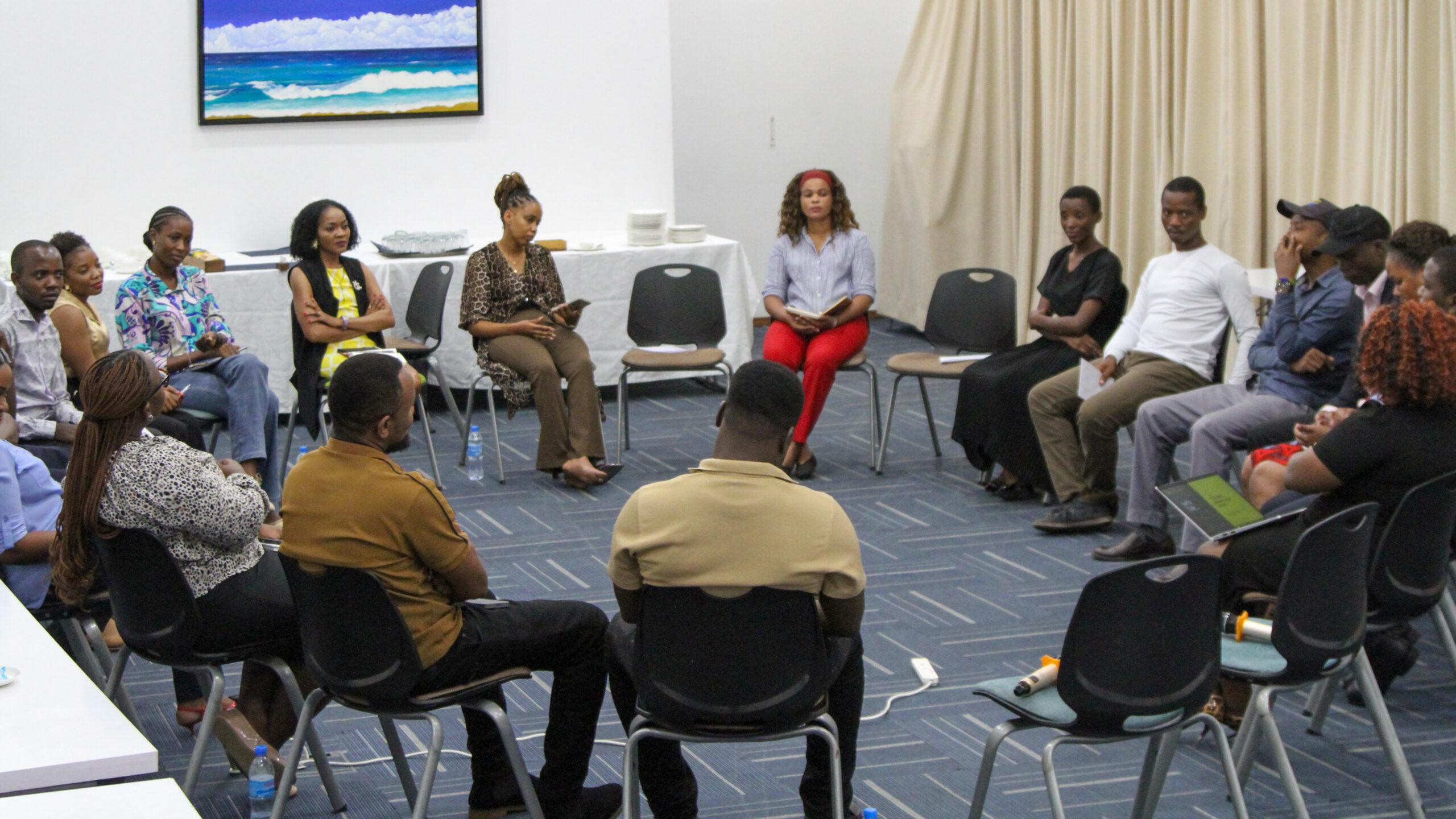
Beyond formal sessions, the training fostered a collaborative environment through reflection circles, wellness check-ins, and peer exchange discussions. These informal moments helped build trust and encouraged open dialogue around challenges and best practices in safeguarding implementation.
The session led stronger institutional safeguarding systems across participating organizations. Participants are now better equipped to embed safeguarding into their operations, enhancing accountability and promoting a culture of care and protection. This contributes directly to broader programme goals of building resilient, inclusive, and responsible youth civil society ecosystems.
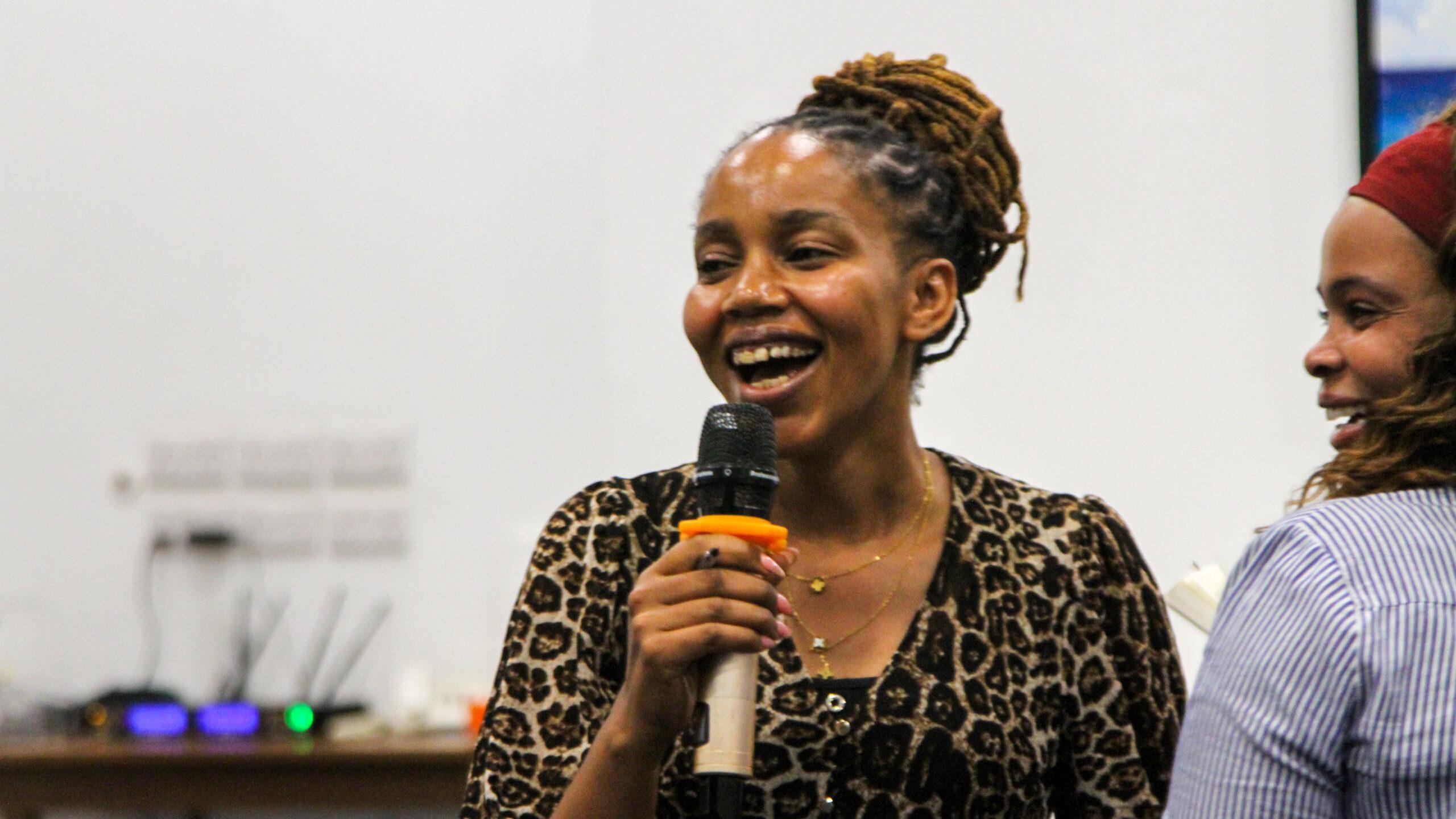
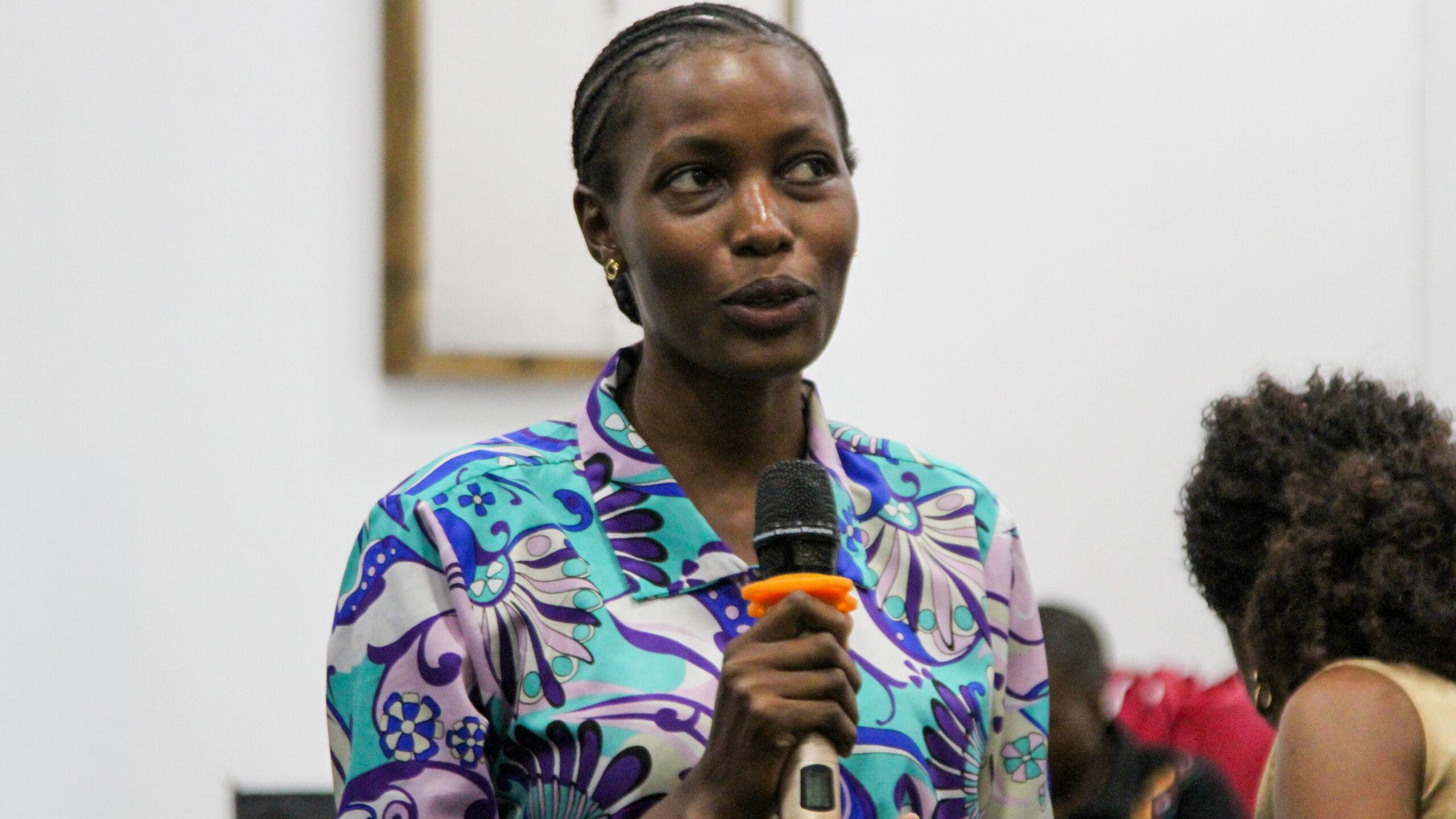
As Amani Mathew from Vision for Youth (V4Y) noted, “Through this safeguarding journey, we are strengthening not only our systems, but our accountability to the young people we serve.”