
Youth Voices and Evidence Shape Governance Dialogue in Accra
22 April 2026, Accra, Ghana
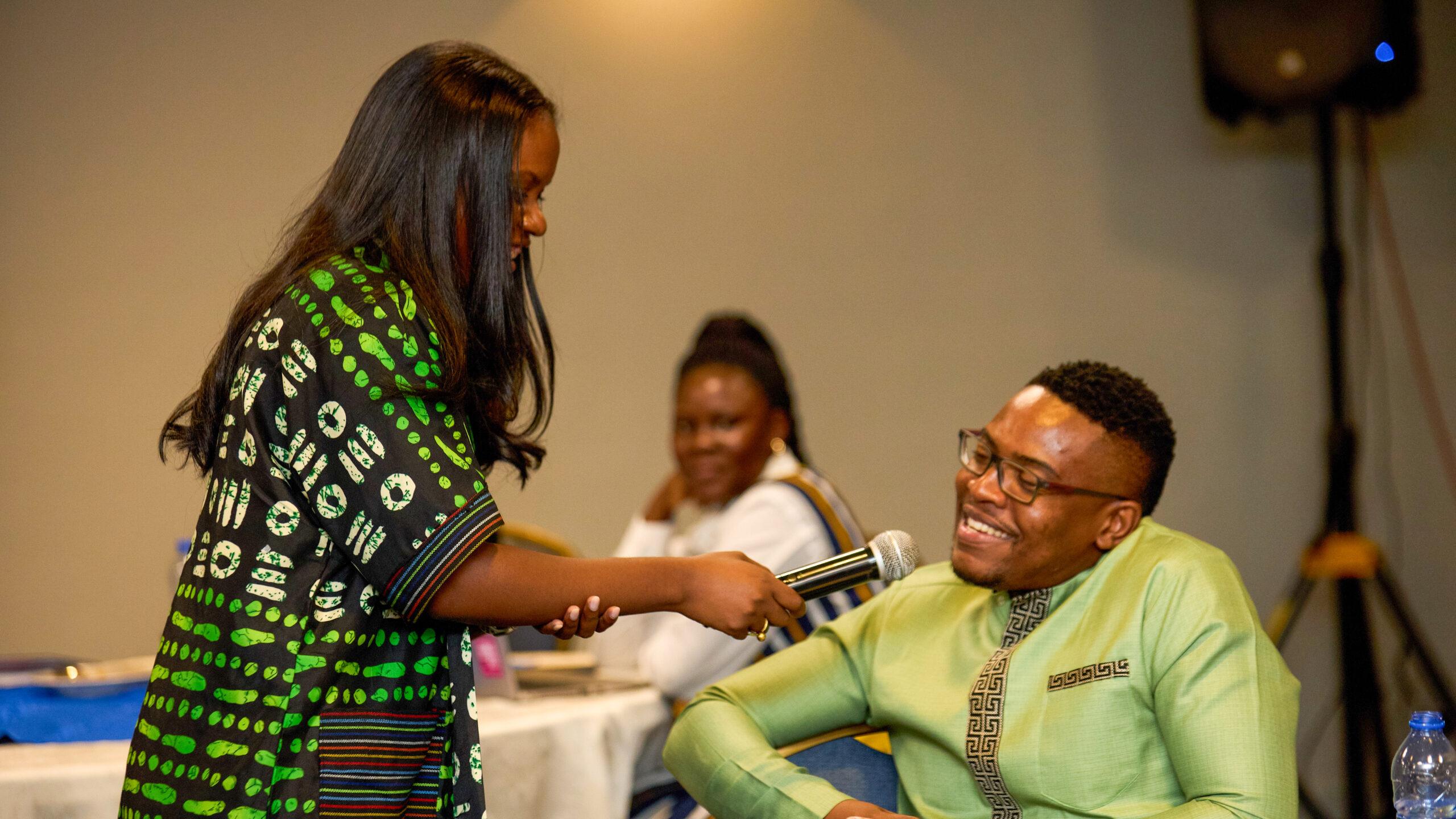
On 22 April 2026, Restless Development, in partnership with Afrobarometer, convened the “Youth Voices in Power: A Youth Evidence and Governance Dialogue” during the D4GA Continental Convening in Accra, Ghana. The in-person dialogue brought together 45 participants from across governance, research, policy, and youth leadership spaces.
The event created a continental platform for young African researchers and youth-led organizations to present evidence generated through participatory research conducted across 14 African countries. Participants included youth representatives, African Union representatives, civil society organizations, governance practitioners, policymakers, researchers, and development partners. The programme featured presentations on youth entrepreneurship and green jobs, meaningful youth participation in governance, and sexual and reproductive health rights (SRHR). Discussions explored how governance systems can become more inclusive, transparent, and responsive to young people’s realities and priorities.
Speaking during the dialogue, Ambassador Salah Hammad emphasized that “Youth are not merely beneficiaries of governance systems but active contributors to shaping Africa’s political future.” Dr. Joseph Asunka also highlighted the importance of institutional reform, noting that governance actors “must adapt to changing youth realities by creating more inclusive, transparent, and participatory systems.”
A key moment of the event was the endorsement of the “Voices in Power Compact,” which encouraged stronger collaboration between youth-led organizations, governance actors, and development partners. The commitment-building session created space for participants to identify future opportunities for partnership, advocacy, and accountability.
Implemented under the AU-EU Youth Voices Lab – Power of the Collective programme, the activity reinforced the role of young people as evidence producers, advocates, and governance actors. By connecting youth-generated research with institutional dialogue, the event contributed to broader conversations linked to Agenda 2063, democratic participation, accountability, and youth-responsive governance systems across Africa.