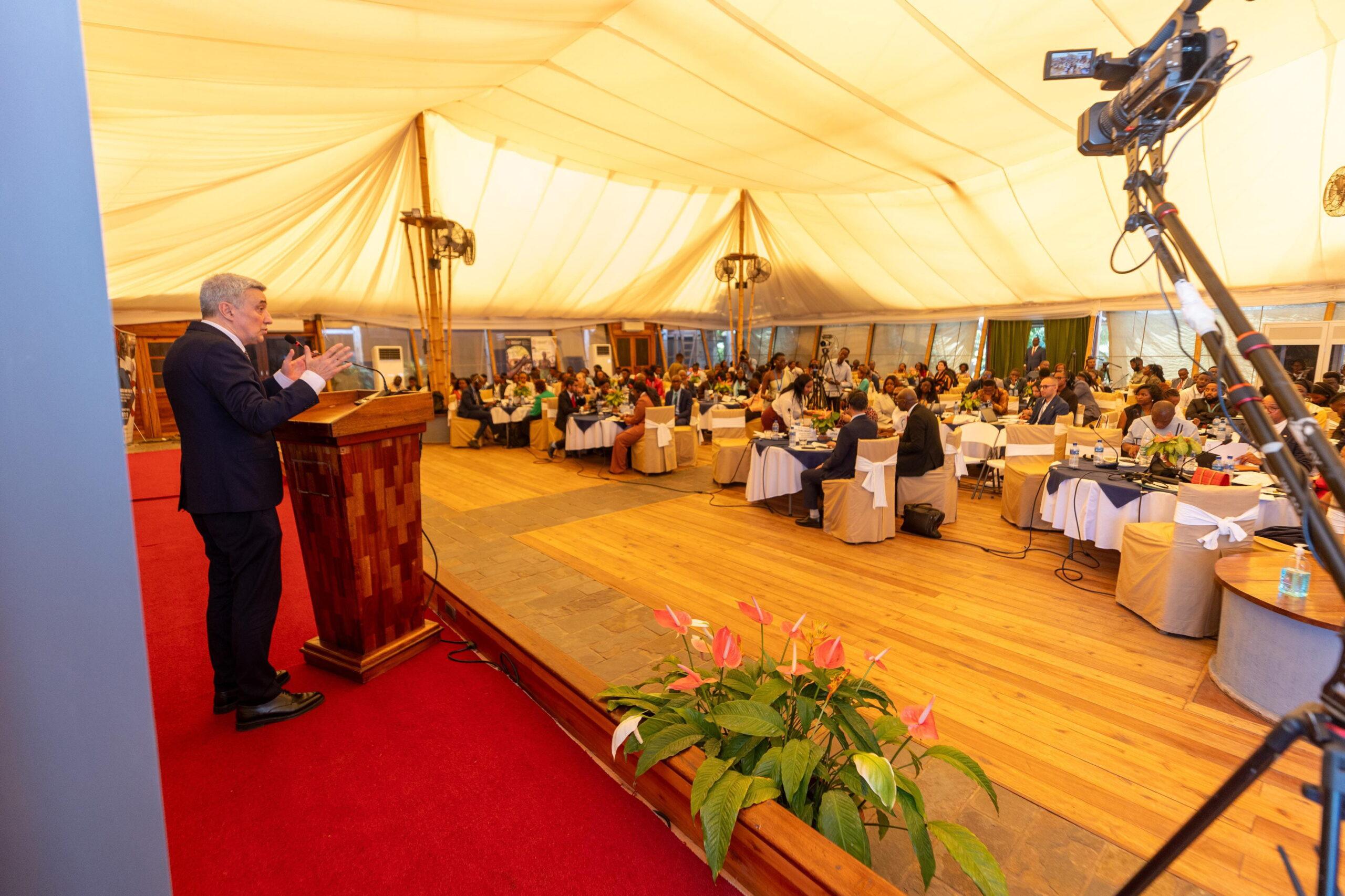
“Turning a Moment into a Movement” – excerpt from the presentation by V. Lorusso & L. Seke, Co-Chairs of the AU-EU Innovation Agenda Working Group”
From Addis Ababa to Bujumbura: Youth Voices Shape Africa’s Peace, Security and Governance Agenda at the 5th Continental Dialogue
10-12 August 2026, Bujumbura, Burundi
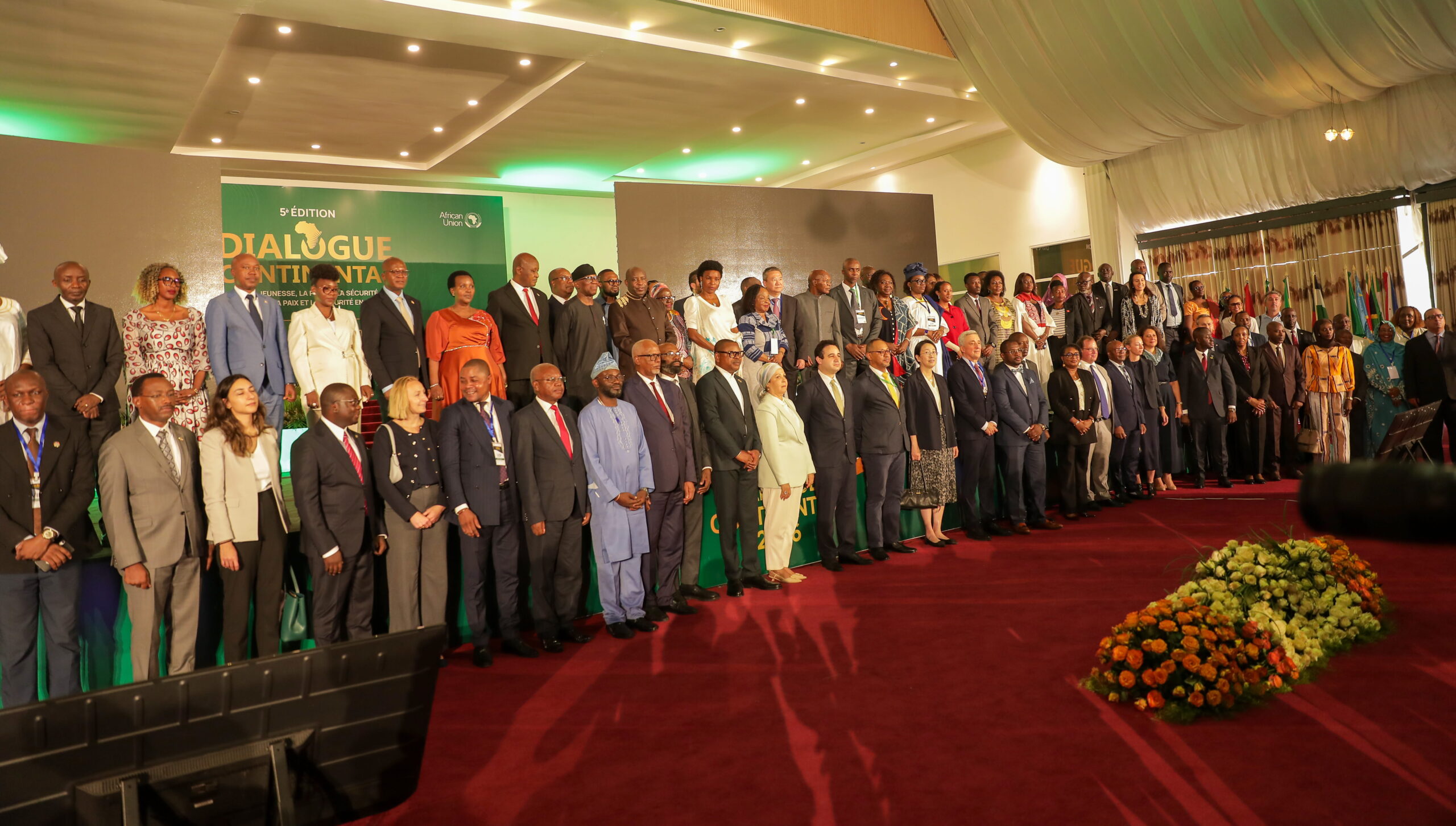
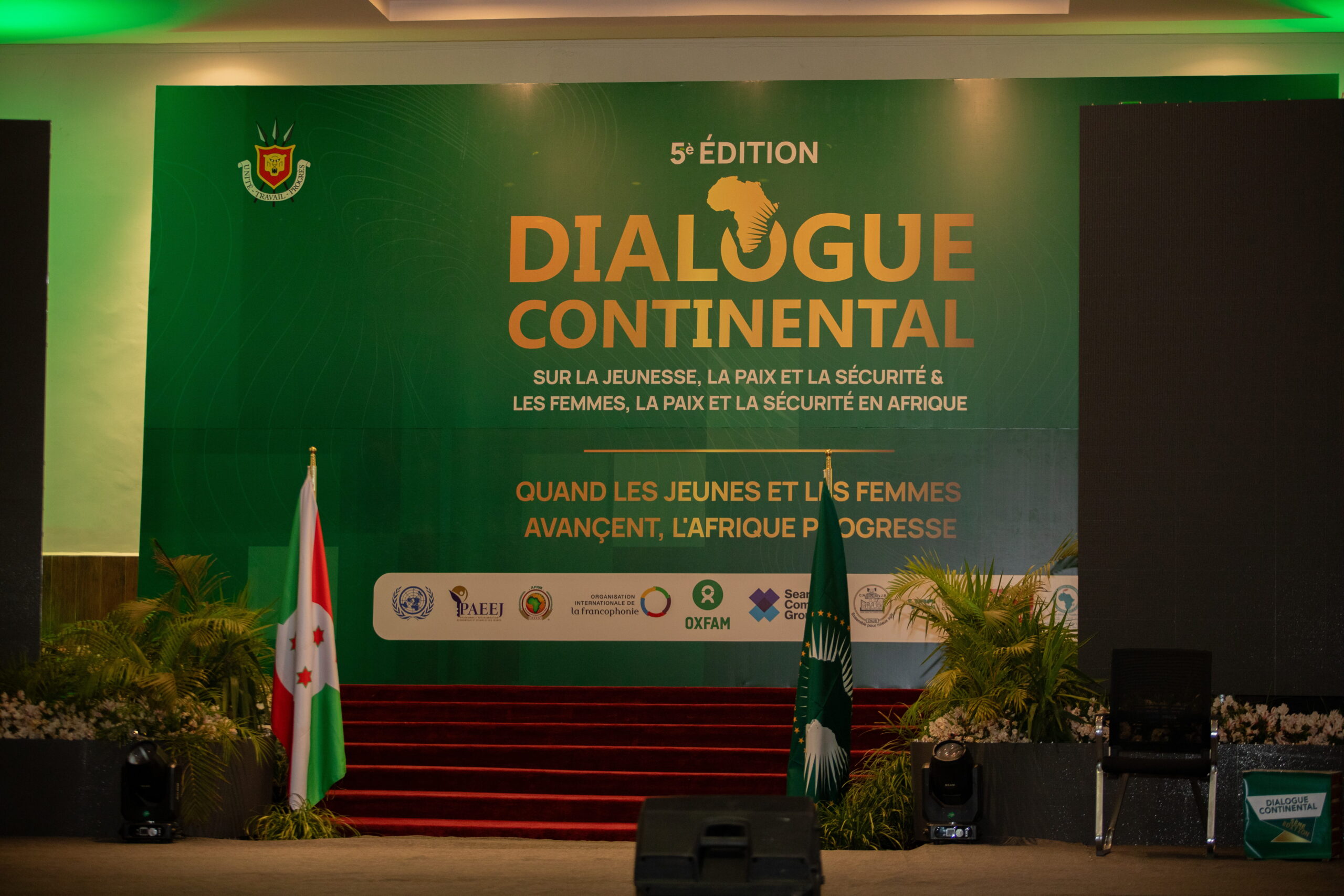
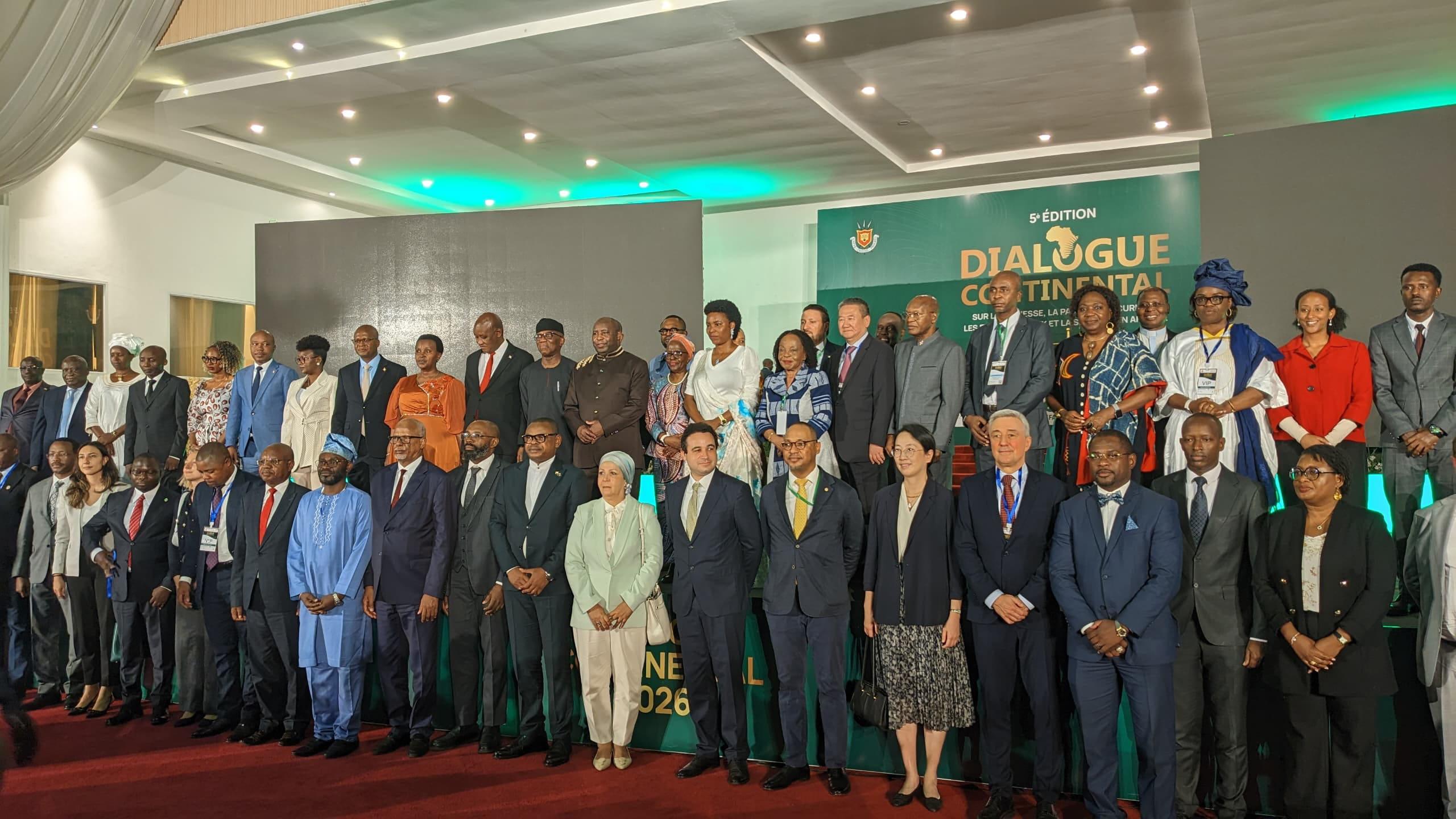
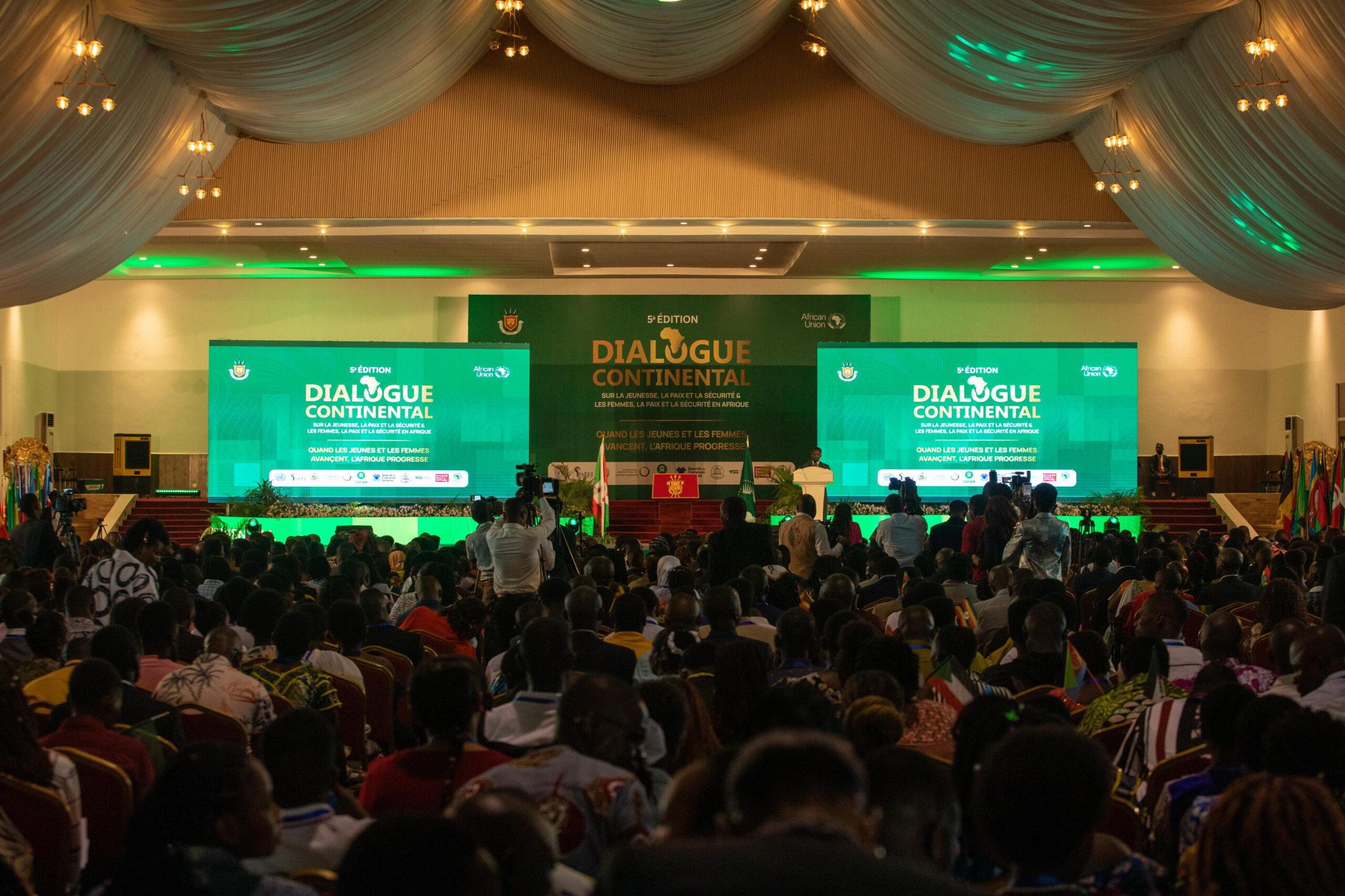
From 10 to 12 August 2026, Bujumbura became a continental meeting point for young people, women leaders, policymakers, peacebuilders and institutions during the 5th Continental Dialogue on Youth, Peace and Security in Africa & Women, Peace and Security Forum. Under the theme “Water, Peace and Inclusive Leadership in Africa,” the three-day Dialogue focused on how to move beyond recognizing young people and women as participants in peacebuilding and strengthen their role in the institutions, policies and decisions that shape peace and security across Africa.
The Dialogue continued the process that began in Addis Ababa in July, where young people and women contributed perspectives and recommendations on the implementation of the Youth, Peace and Security Agenda. In Bujumbura, those discussions moved into a broader continental space, creating a pathway from consultation to policy influence and from commitments to implementation.
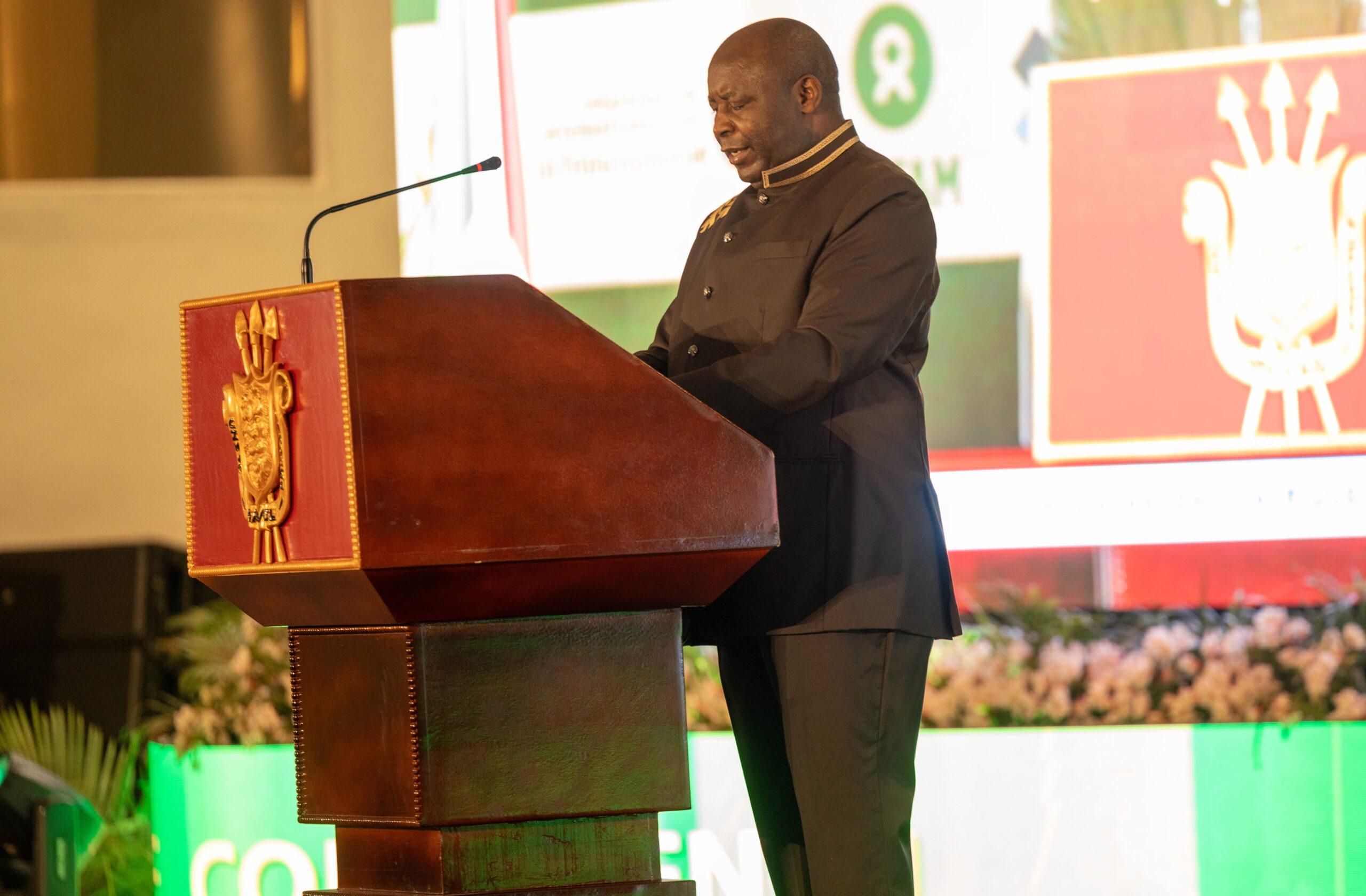
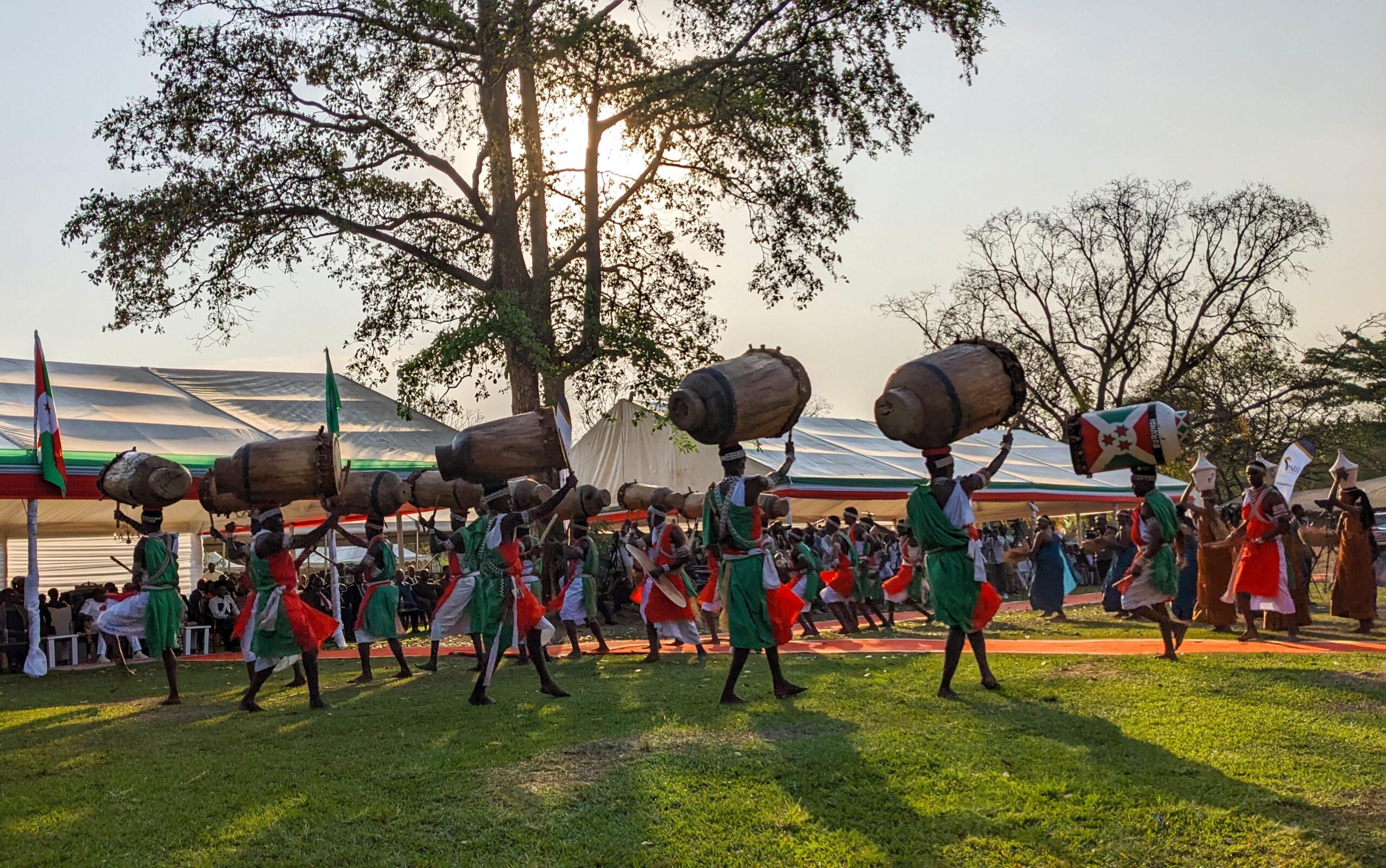
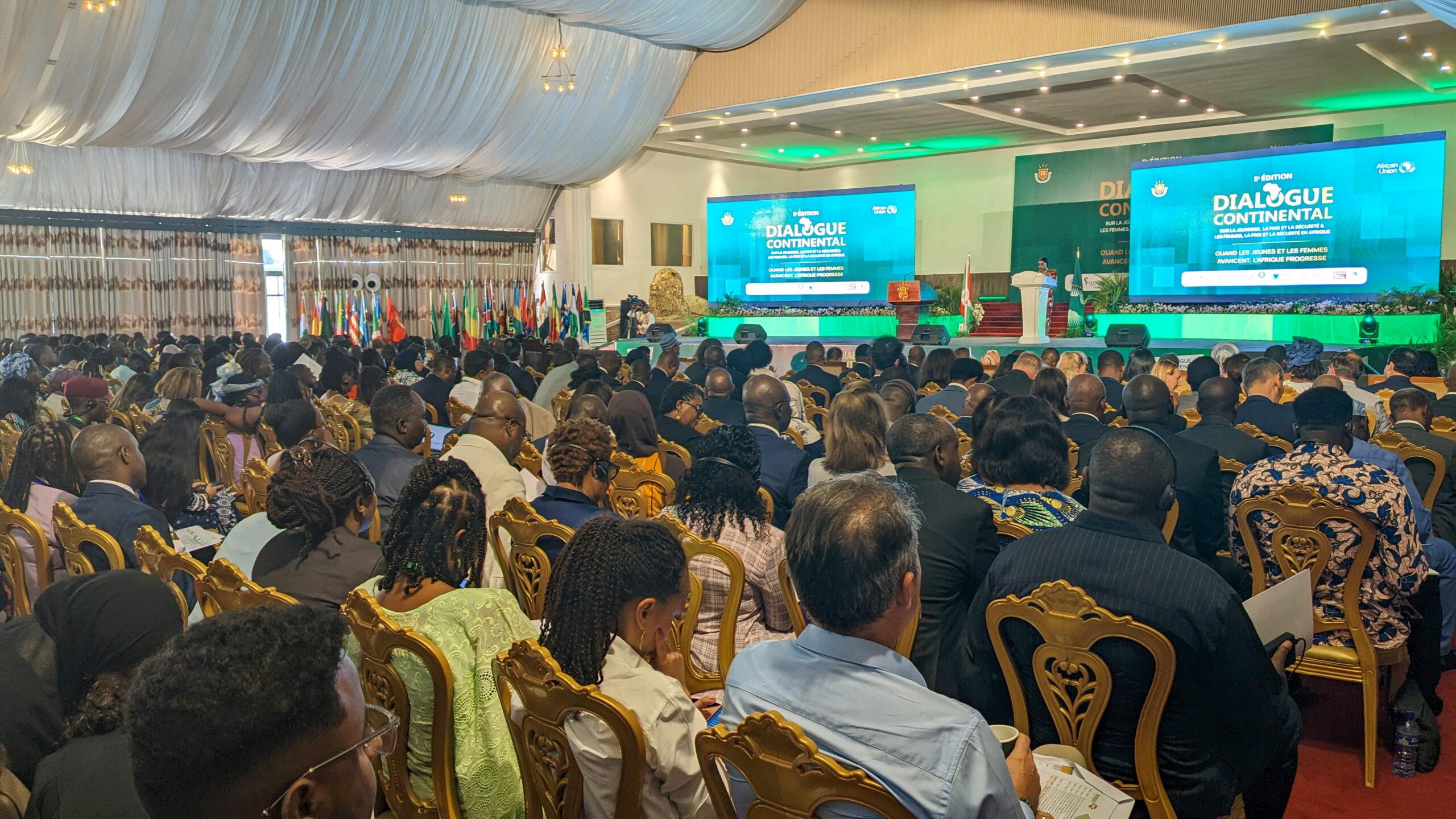
Day 1 opened at Kiriri Presidential Palace with youth participation visible from the beginning. Dr. Thierry Ingabire, President of the National Youth Council of Burundi, emphasized the importance of creating space for young people to contribute ideas, creativity and innovation, before presenting the Declaration of Burundian Youth in Favor of Peace 2026 to H.E. the President of the Republic of Burundi, Chairperson of the African Union and AU Champion for Youth, Peace and Security.
H.E. Marie-Antoinette Rose Quatre, CEO of the African Peer Review Mechanism, stressed that ratification and consultation only matter when they lead to implementation and influence. H.E. Bankole Adeoye, Commissioner for Political Affairs, Peace and Security at the African Union Commission, called for continental commitments to become action and for greater investment in the next generation of African peacebuilders.
The five African Youth Ambassadors for Peace then presented regional updates on the YPS Agenda and handed over the report emerging from Addis Ababa. Their interventions highlighted progress but also persistent gaps. From West Africa, Bakary Sonko reminded participants that adoption is not implementation, and that policy only matters when young people can influence and communities can feel the results.
The afternoon connected water, peace and security. H.E. Marie Chantal Nijimbere, Minister of Defense and Veterans Affairs of Burundi, used local tensions around water, livestock and grazing to show why inclusive dialogue mechanisms are needed at community level, with young people and women represented. Youth and women should not only be seen as people affected by resource-related conflict, but as actors in prevention, dialogue and community resilience.
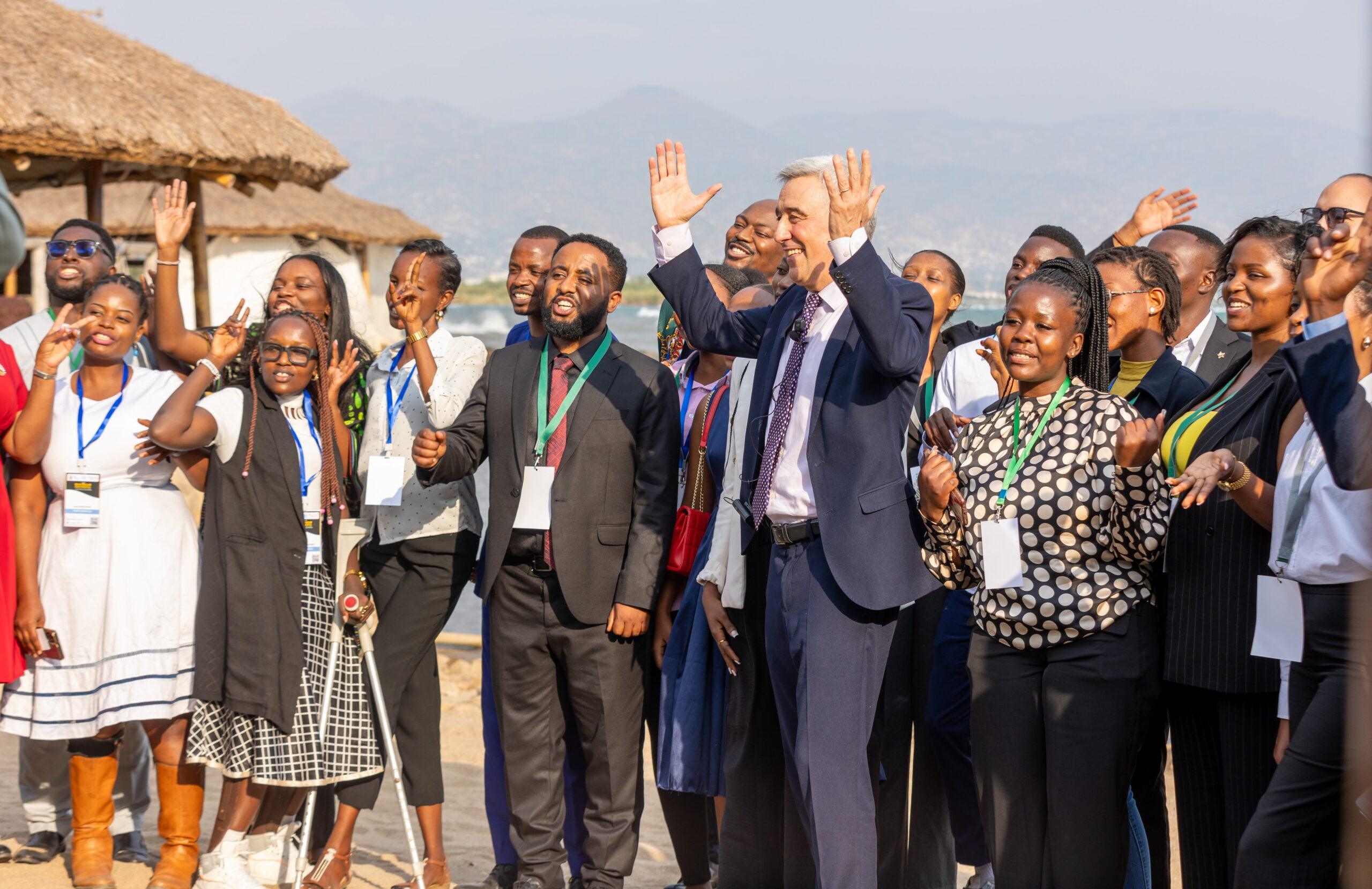
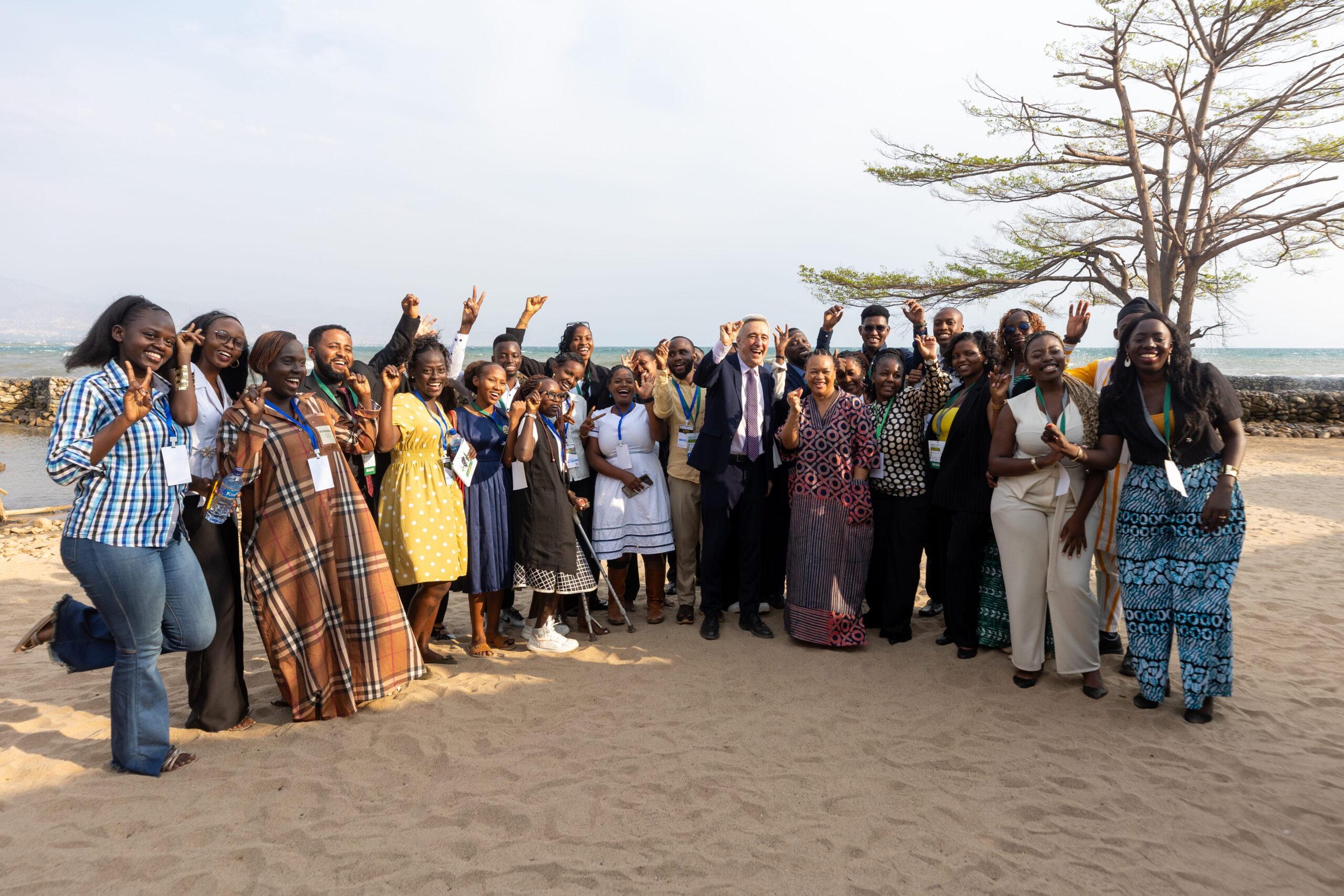
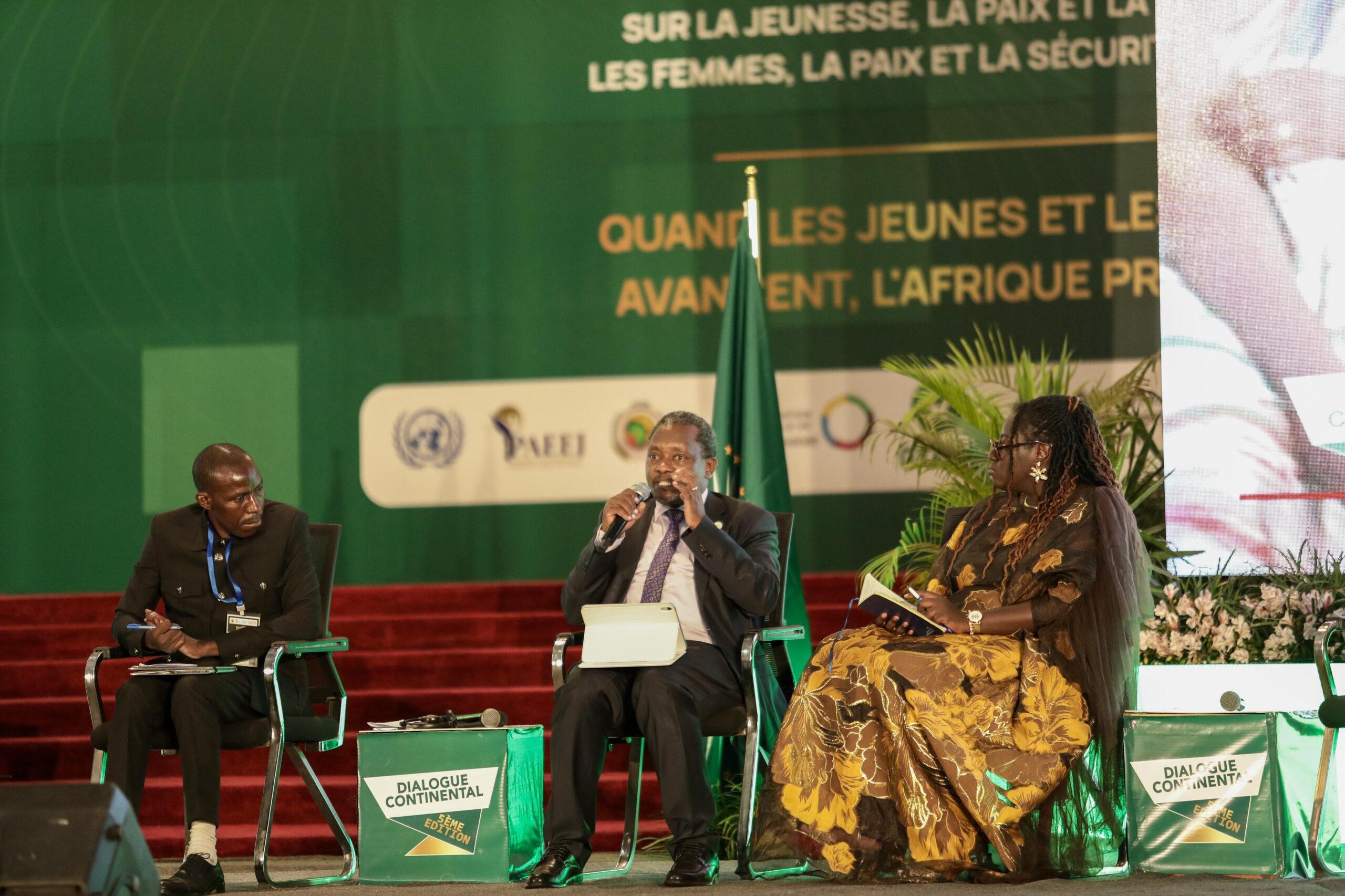
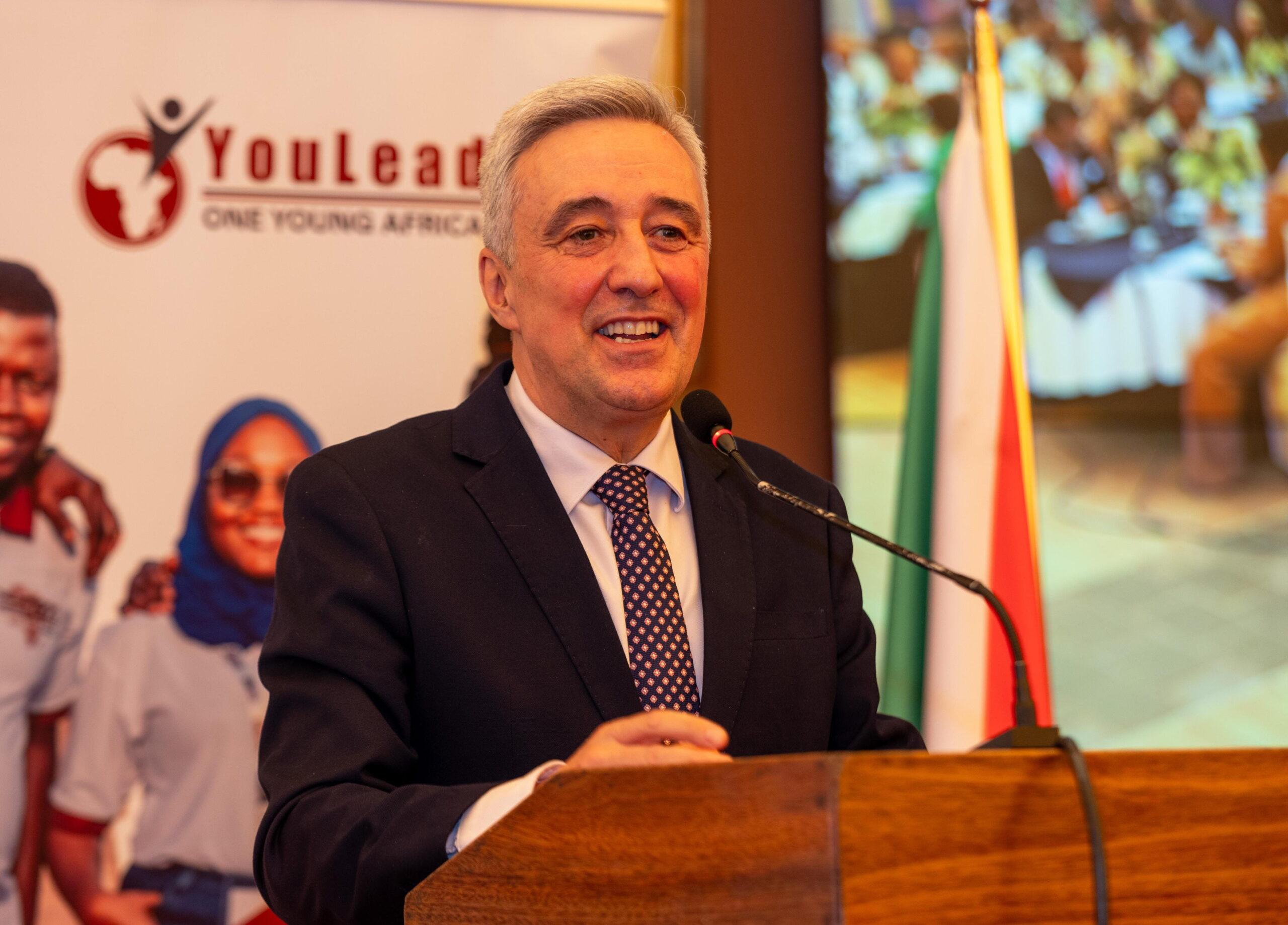
The second panel explored AI and emerging technologies. Simone Diouf highlighted how young people are already exploring AI for peace and security while addressing misinformation and disinformation. Dr. Alain Ndikumana, Minister of Finance, Budget and Digital Economy of Burundi, called for young people and women to become designers, entrepreneurs and decision-makers in Africa’s digital transformation. Professor Gaspard Banyankimbona closed with a memorable message: “Teach peace to reach peace.” H.E. Javier Niño Pérez, EU Ambassador to the African Union, also highlighted the AU-EU Youth Voices Lab as a practical example of AU-EU cooperation connecting African and European youth and institutions.
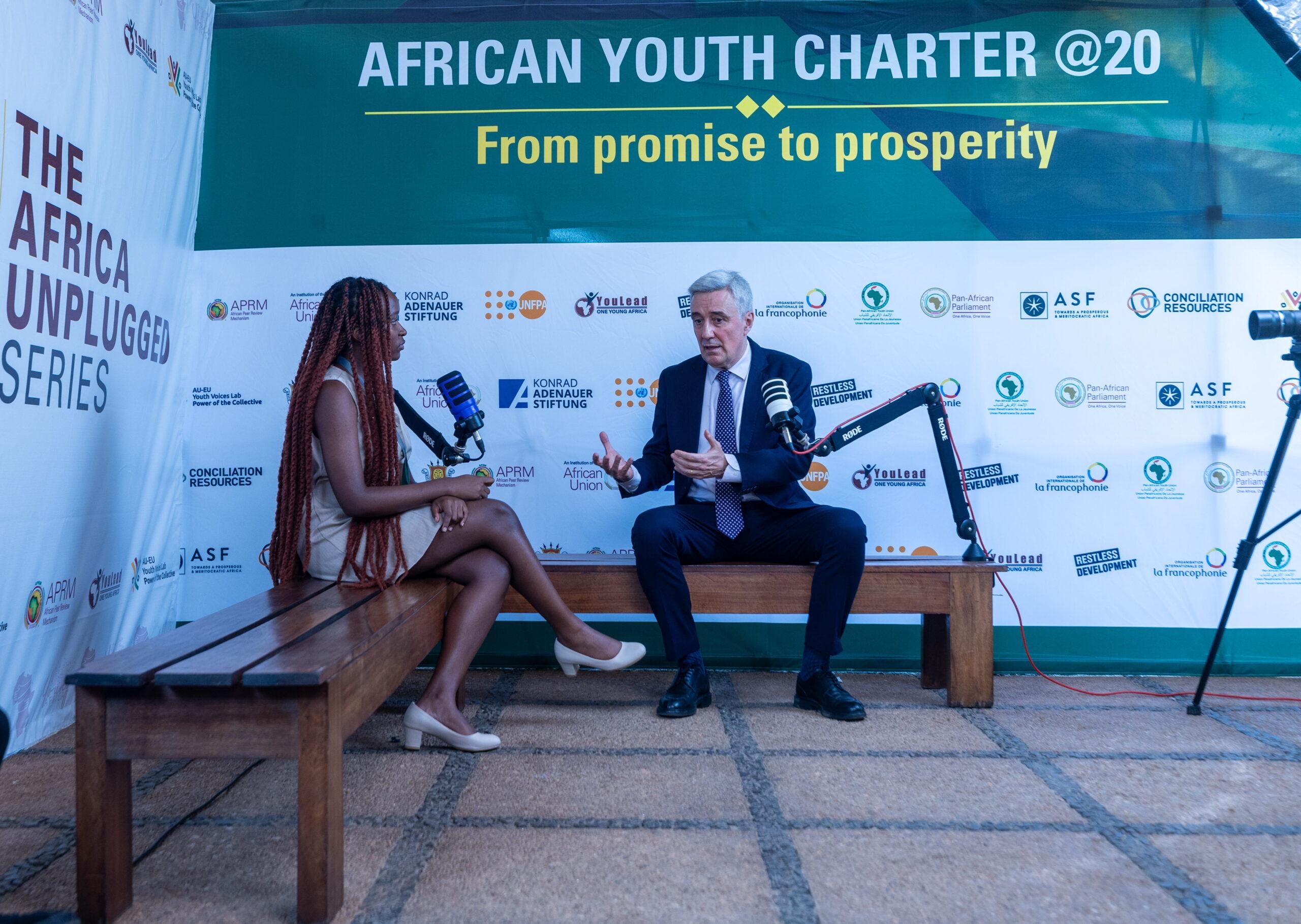
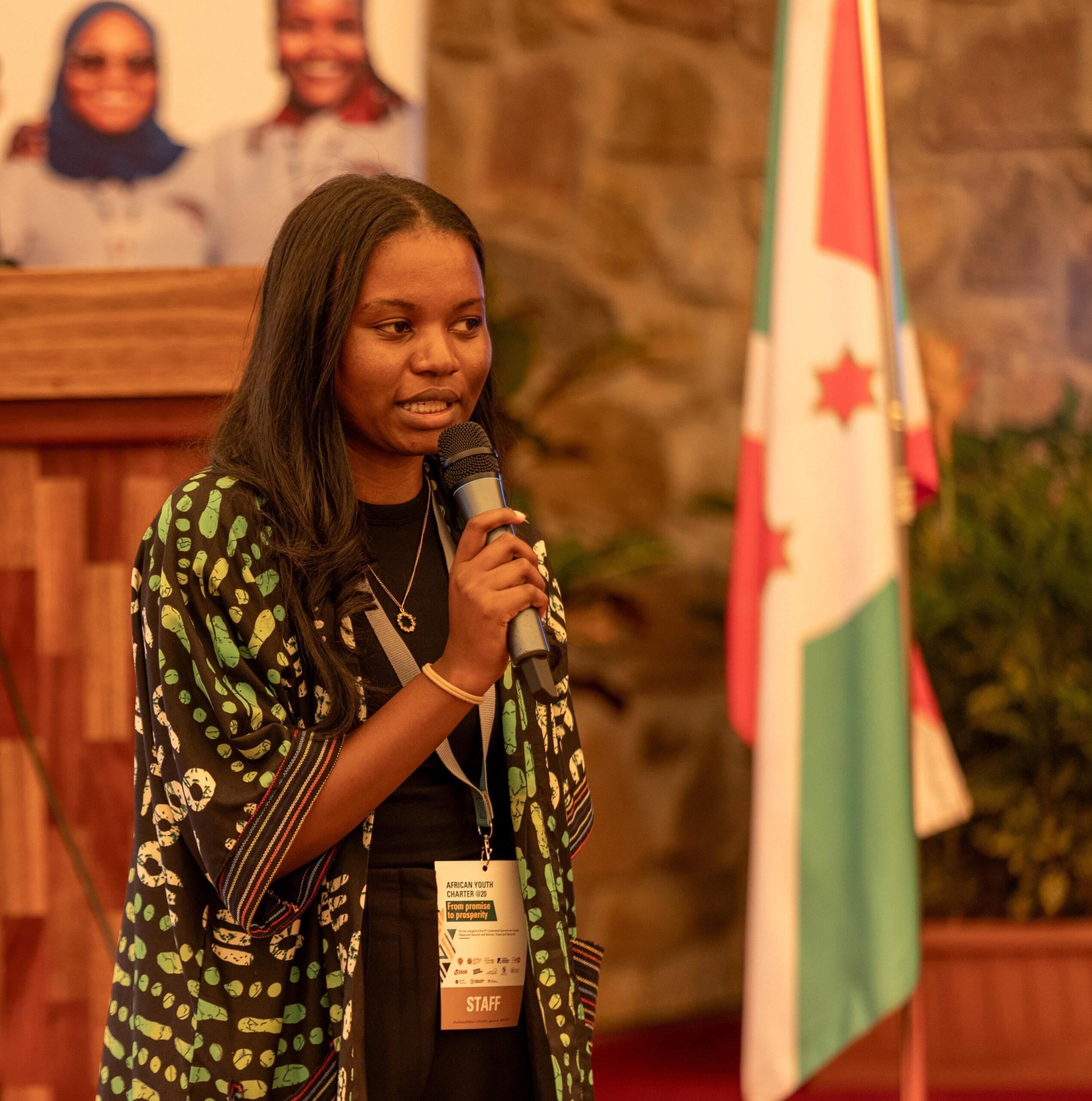
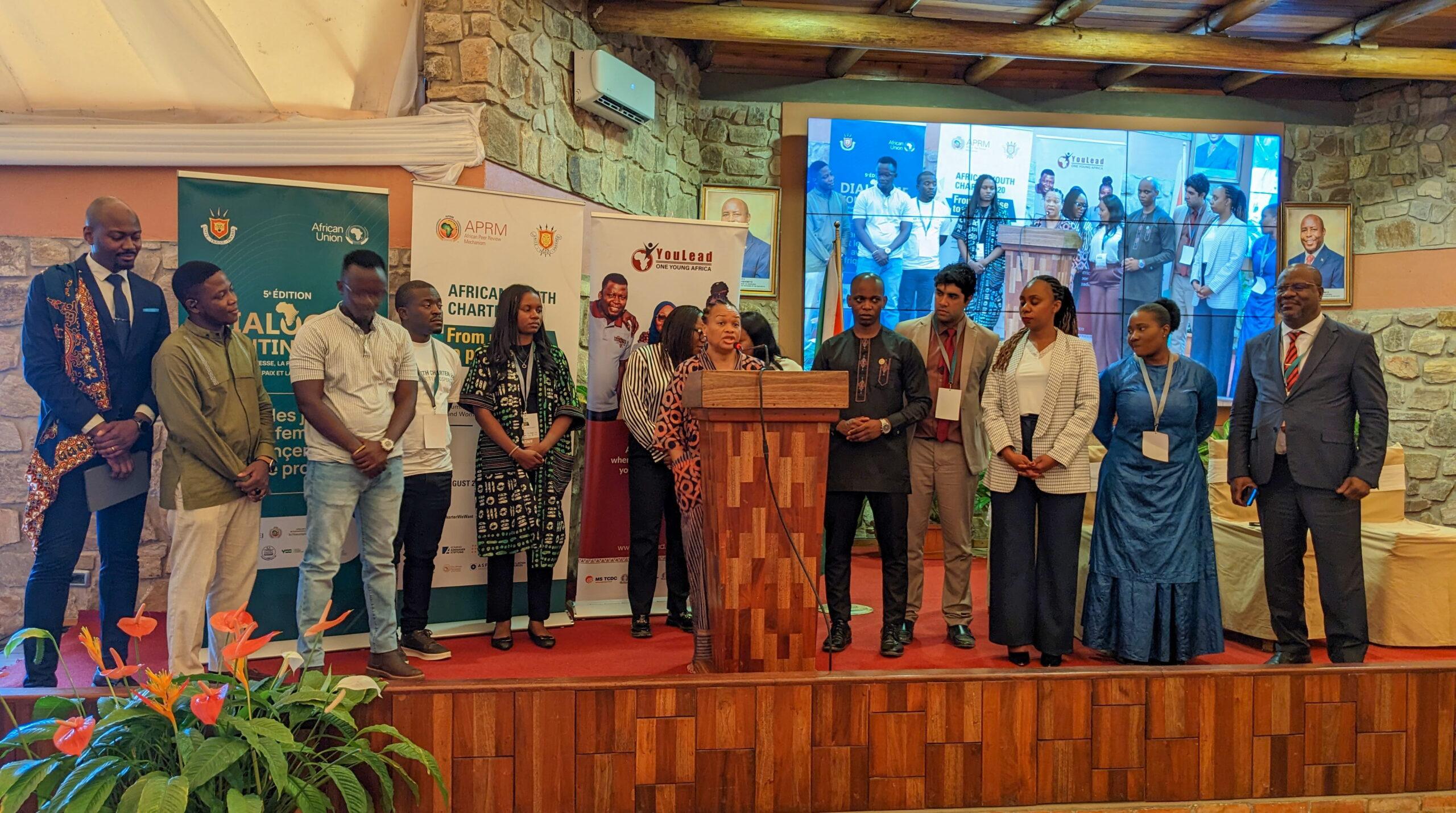
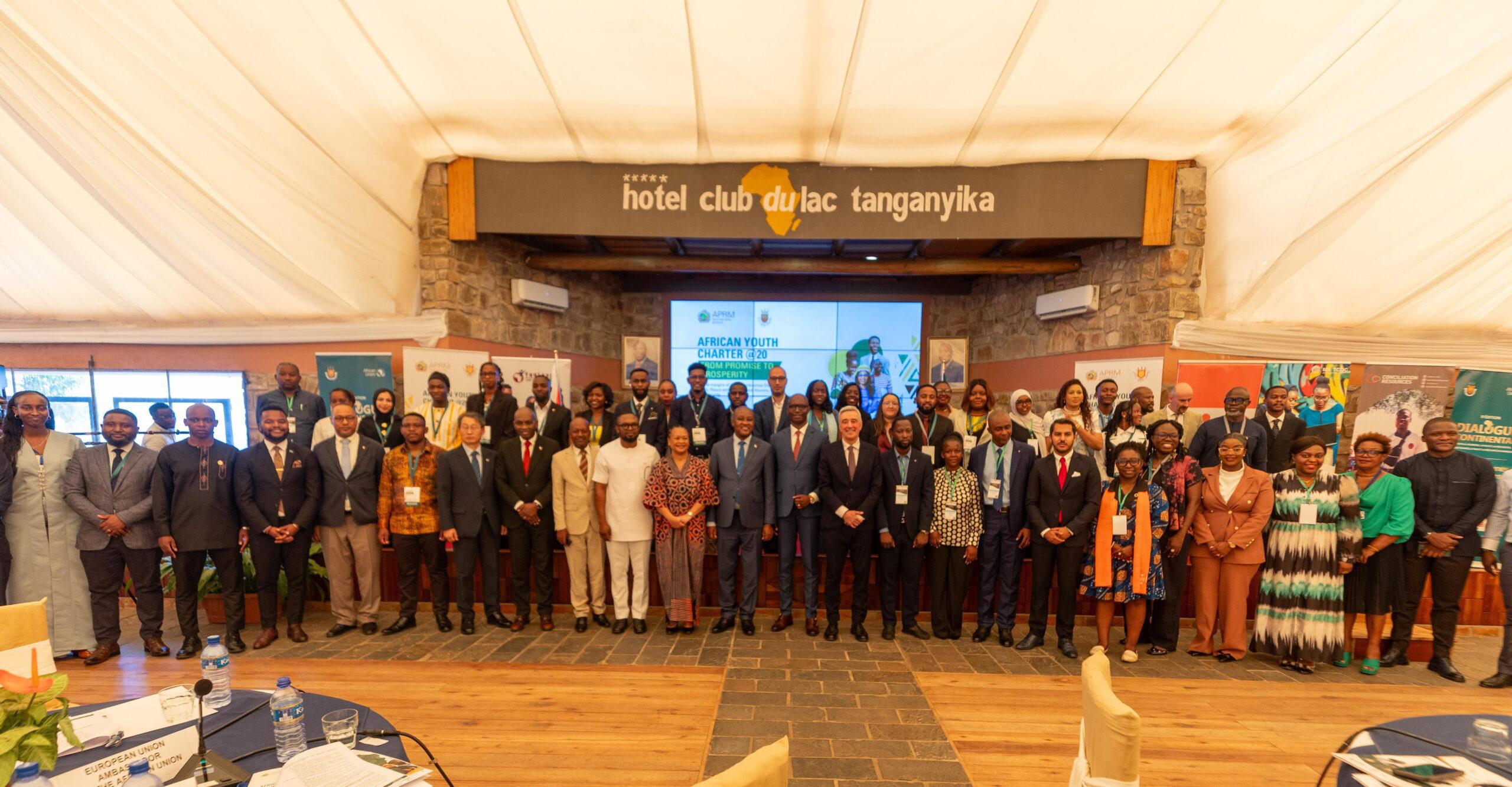
Day 2 moved into four parallel sessions on youth-led peacebuilding, the African Youth Charter @20, water security and resilience, and young women’s participation in peace negotiations and access to justice. Our coverage followed the “African Youth Charter at 20: From Promise to Prosperity” side event, organized by the African Peer Review Mechanism and the Pan-African Youth Union with partner participation including Restless Development and the AU-EU Youth Voices Lab.
Ardent Elonga called for a shift from policies to action and from promises to prosperity, asking whether commitments made on paper are reflected in young people’s everyday lives. Alice Kampengele of Restless Development, one of the AU-EU Youth Voices Lab consortium partners, took participants back to 2006 to reflect on how youth realities have evolved and why the Charter must remain relevant to future generations. Mr. Pempho Chabvuta of the African Union Youth Division stressed that the process is not about starting a new conversation, but ensuring the Charter reflects today’s realities because Africa has changed and the conversation must change with it.
In parallel, Lavina Oluoch of Search for Common Ground, another consortium partner, represented the programme in the Youth Creative Conference 2.0 “Silencing the Guns,” bringing a youth-centered perspective to discussions on conflict prevention, peacebuilding and meaningful youth participation.
The afternoon plenary focused on recommendations for the African Youth Charter @20 Appraisal and the Africa Governance Report 2027. Priorities included stronger and non-tokenistic youth representation; clearer responsibility for YPS implementation; better inclusion of young people with disabilities; investment in green and digital opportunities; stronger Pan-African identity and diaspora engagement; and institutions focused on measurable results. The direction was clear: #AYCat20 must not only review what has been promised, but help define what institutions need to do differently for young people to see and feel the results.
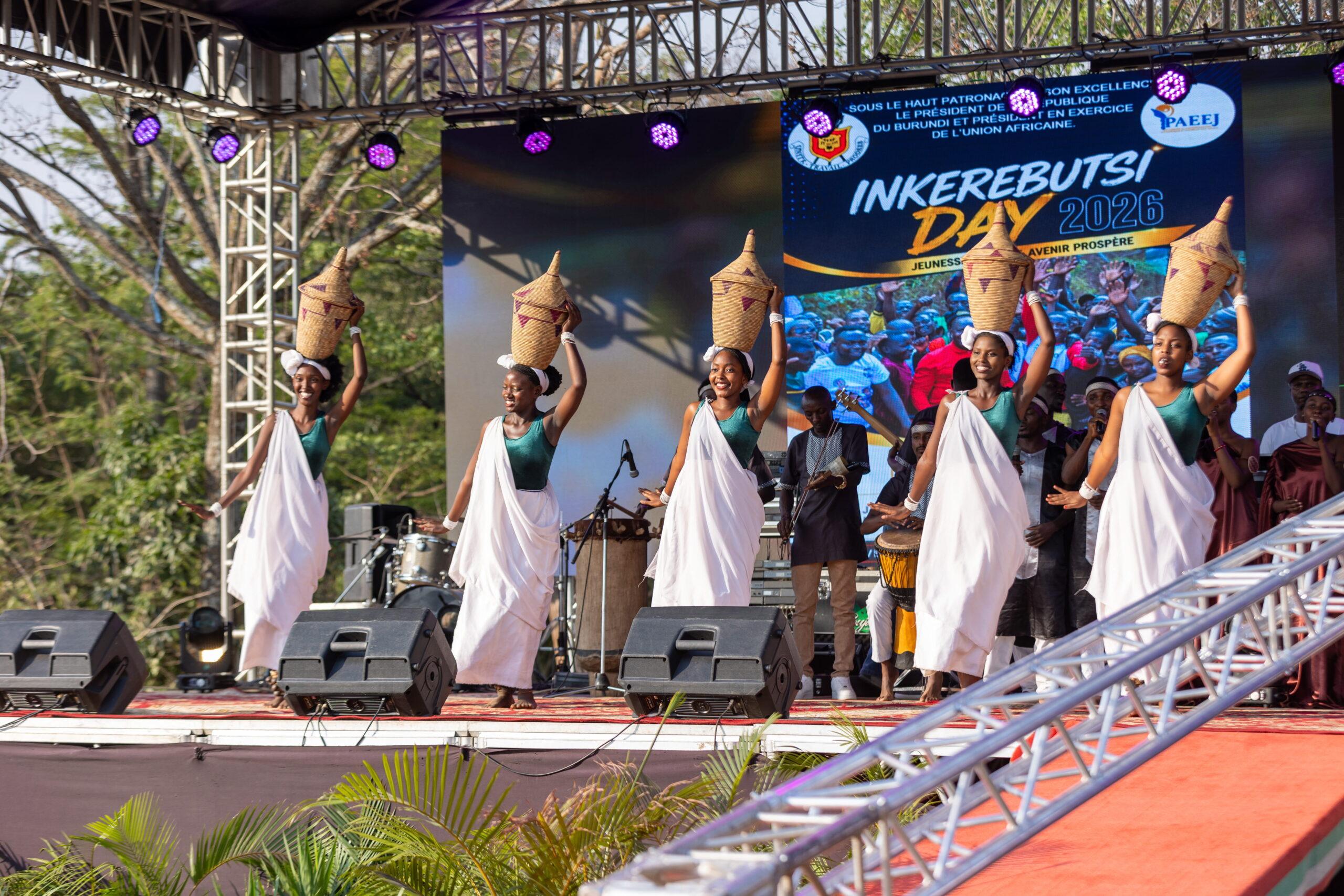
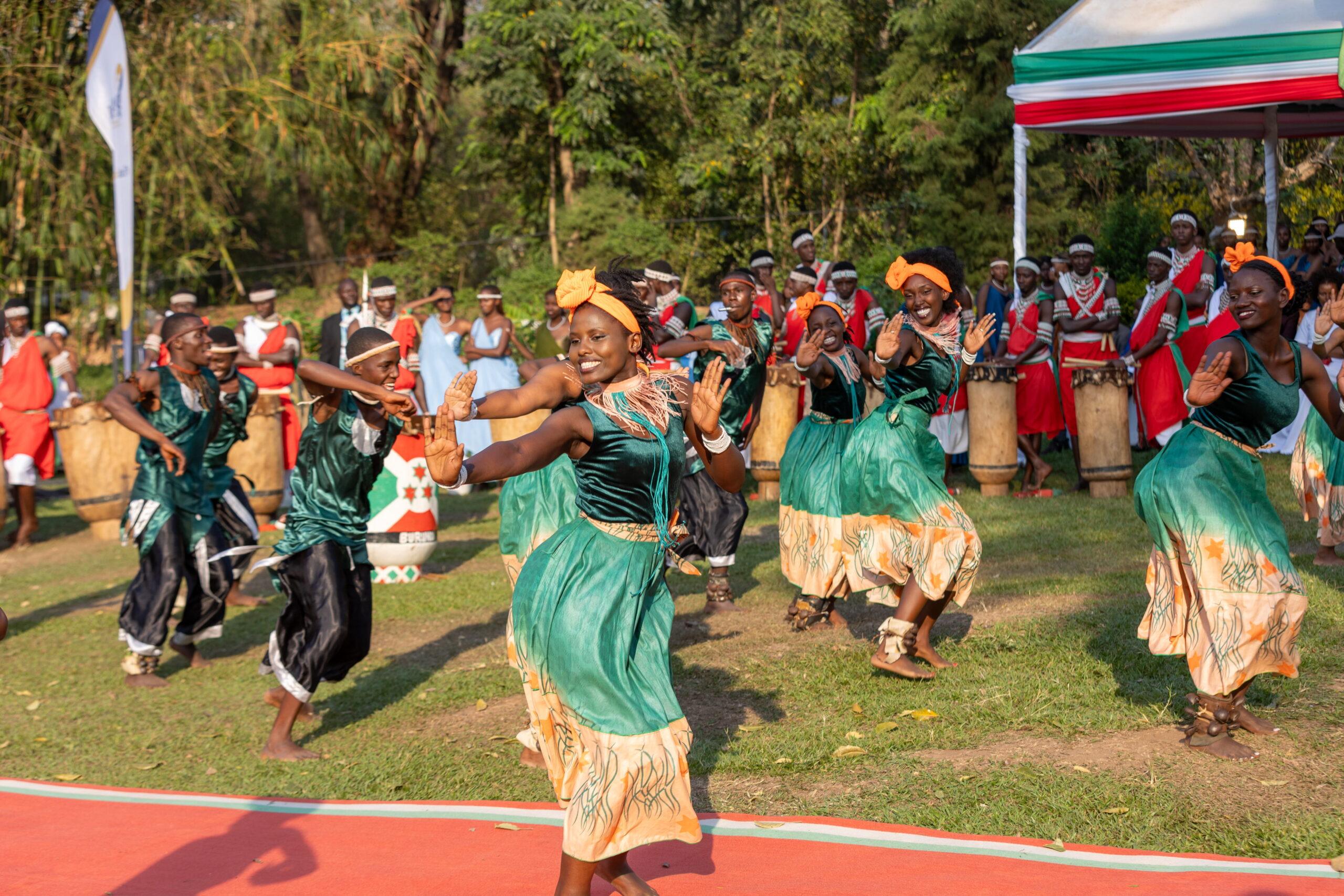
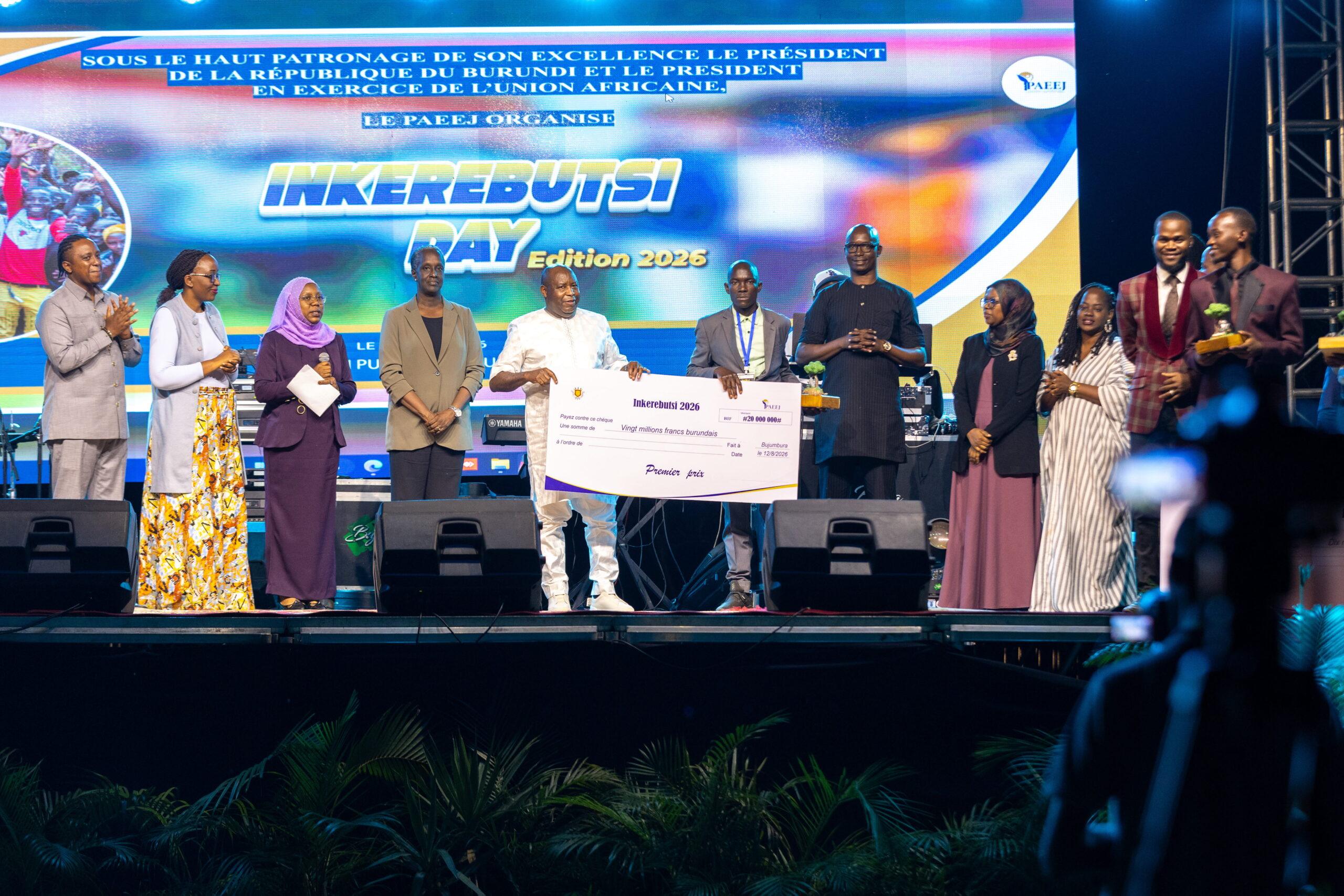
Day 3 coincided with International Youth Day, connecting youth participation in policy with youth leadership in practice. Participants visited CEFORE-RUSI, a vocational training center for young people, before joining Inkerebutsi Day, where 10 community-based youth initiatives showed how young people in Burundi are already contributing to peace, unity and local development. H.E. the President of Burundi recognized the three best initiatives, making the day a celebration not only of youth potential, but of youth action already happening today.
The Dialogue concluded with the Final Communiqué and official closing remarks. Across all three days, one message remained consistent: young people should not only be consulted about the future. They should have meaningful opportunities to shape the decisions building it. From Addis Ababa to Bujumbura, the process showed the value of carrying youth perspectives into continental policy spaces and connecting participation with implementation, accountability and action. For the AU-EU Youth Voices Lab – Power of the Collective, the direction is clear: engage, empower and connect young people so that youth voices become youth influence.