Lead the Narrative Training in Ghana: 46 Young Changemakers Strengthen Communication and Advocacy Skills in Kumasi
06-08 October 2026, Kumasi, Ghana
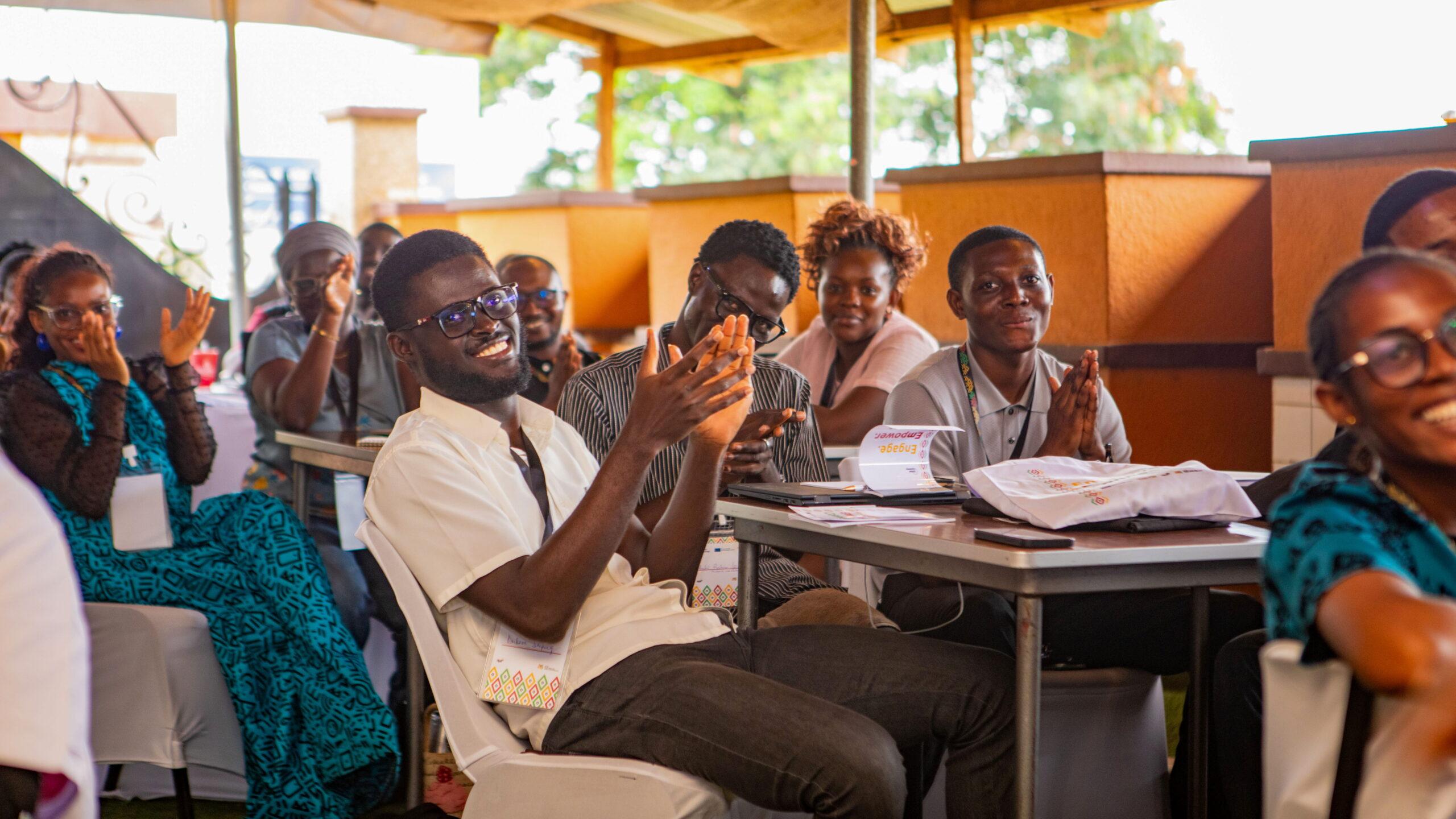
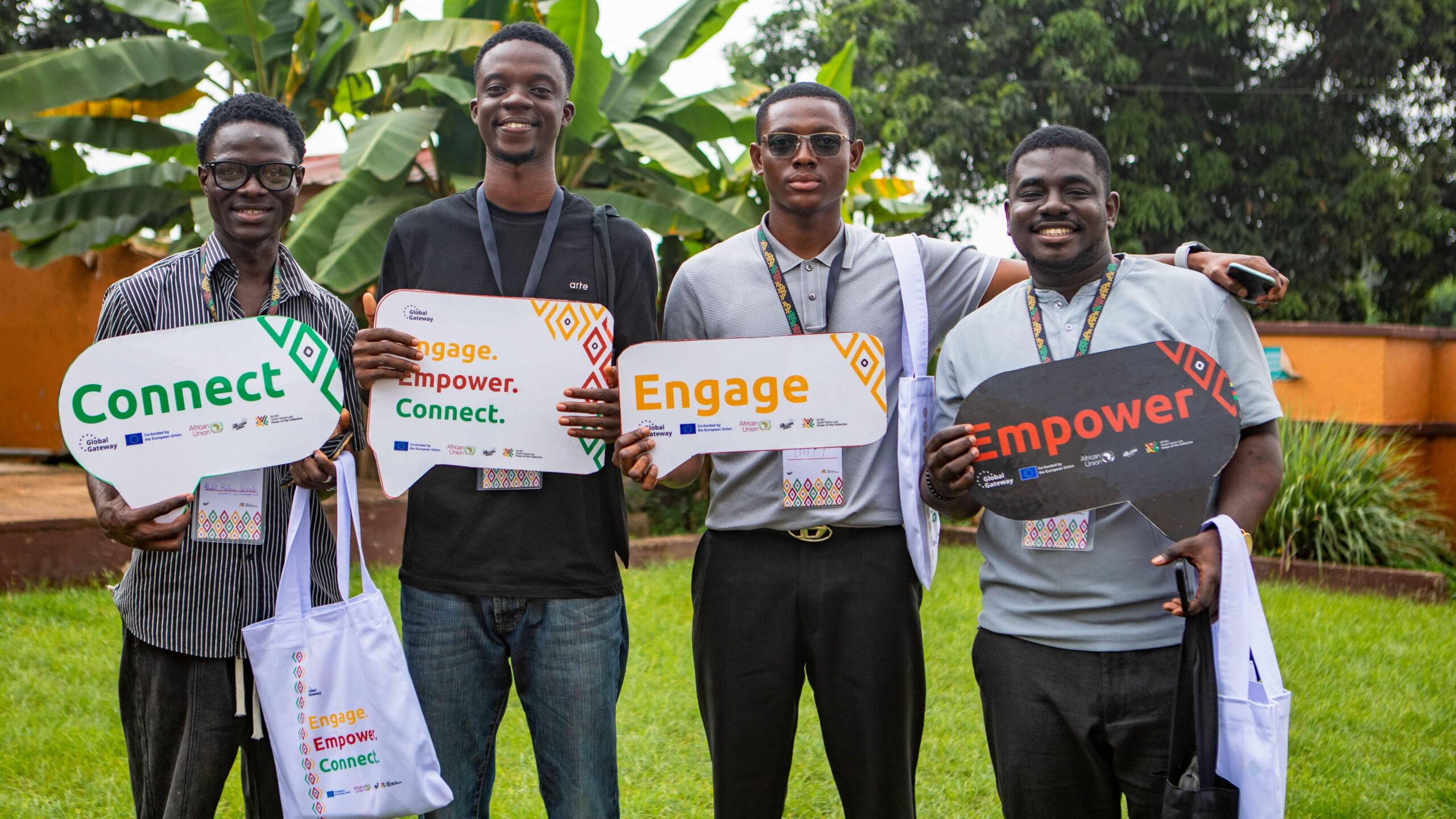
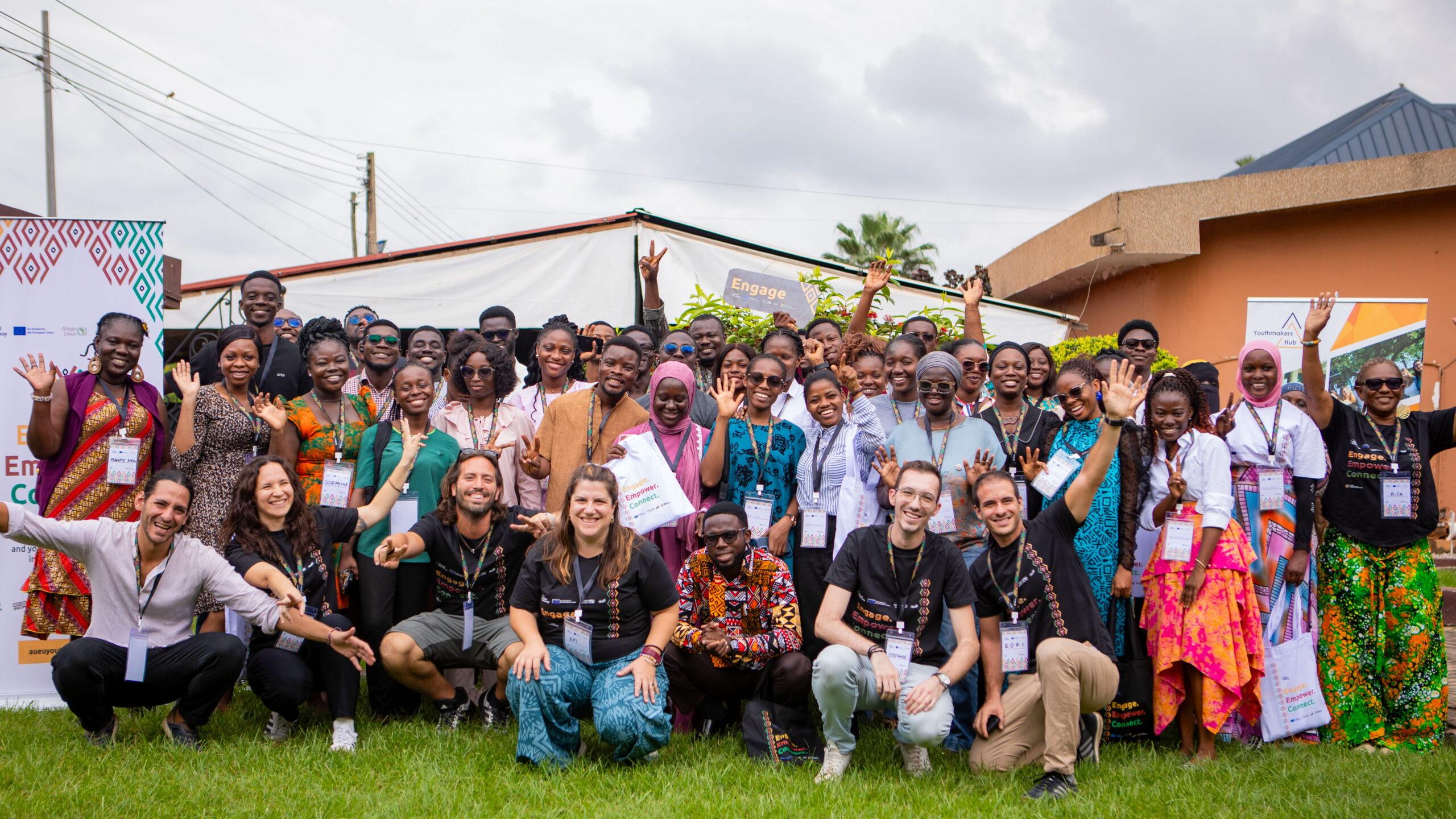
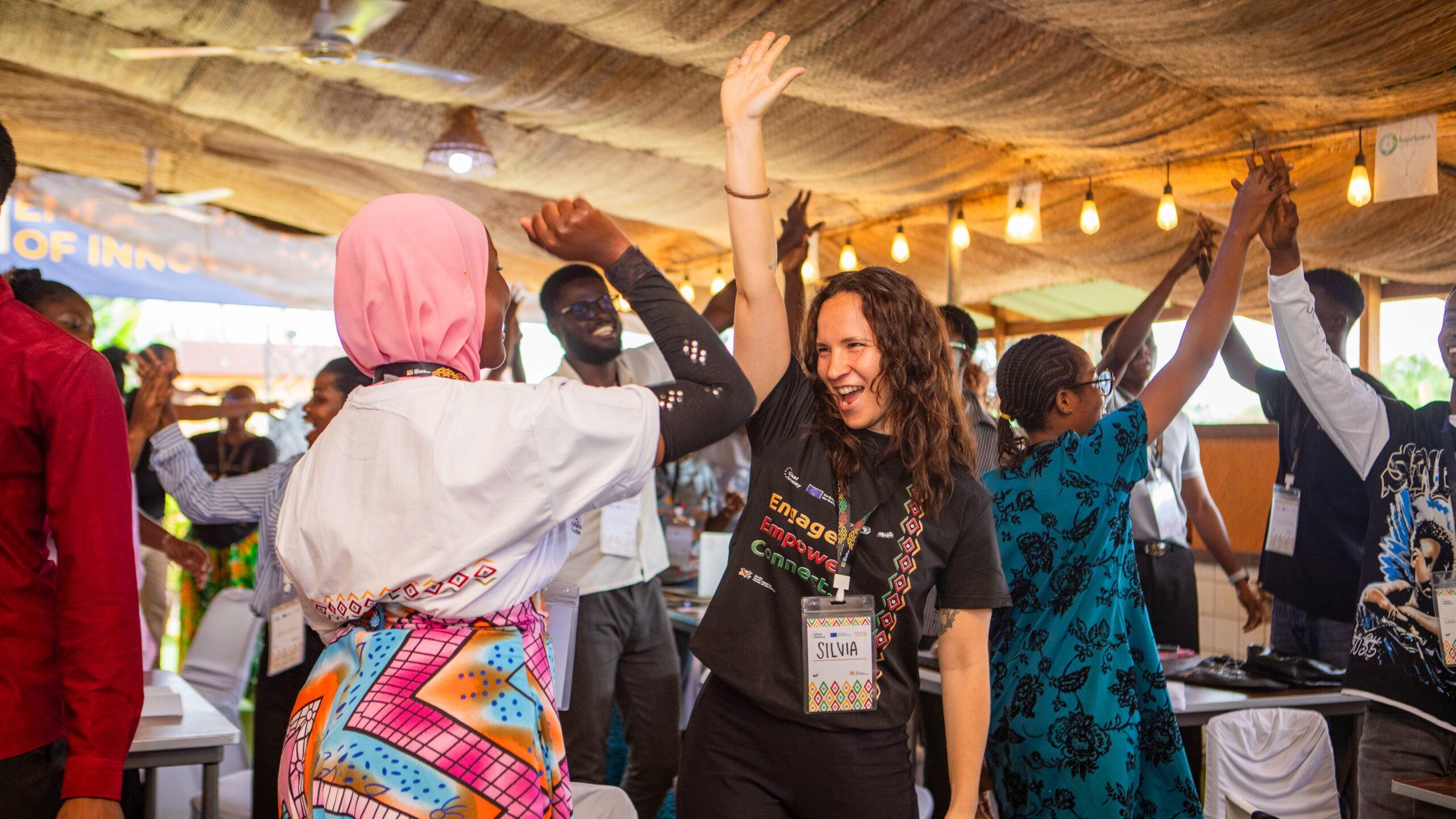
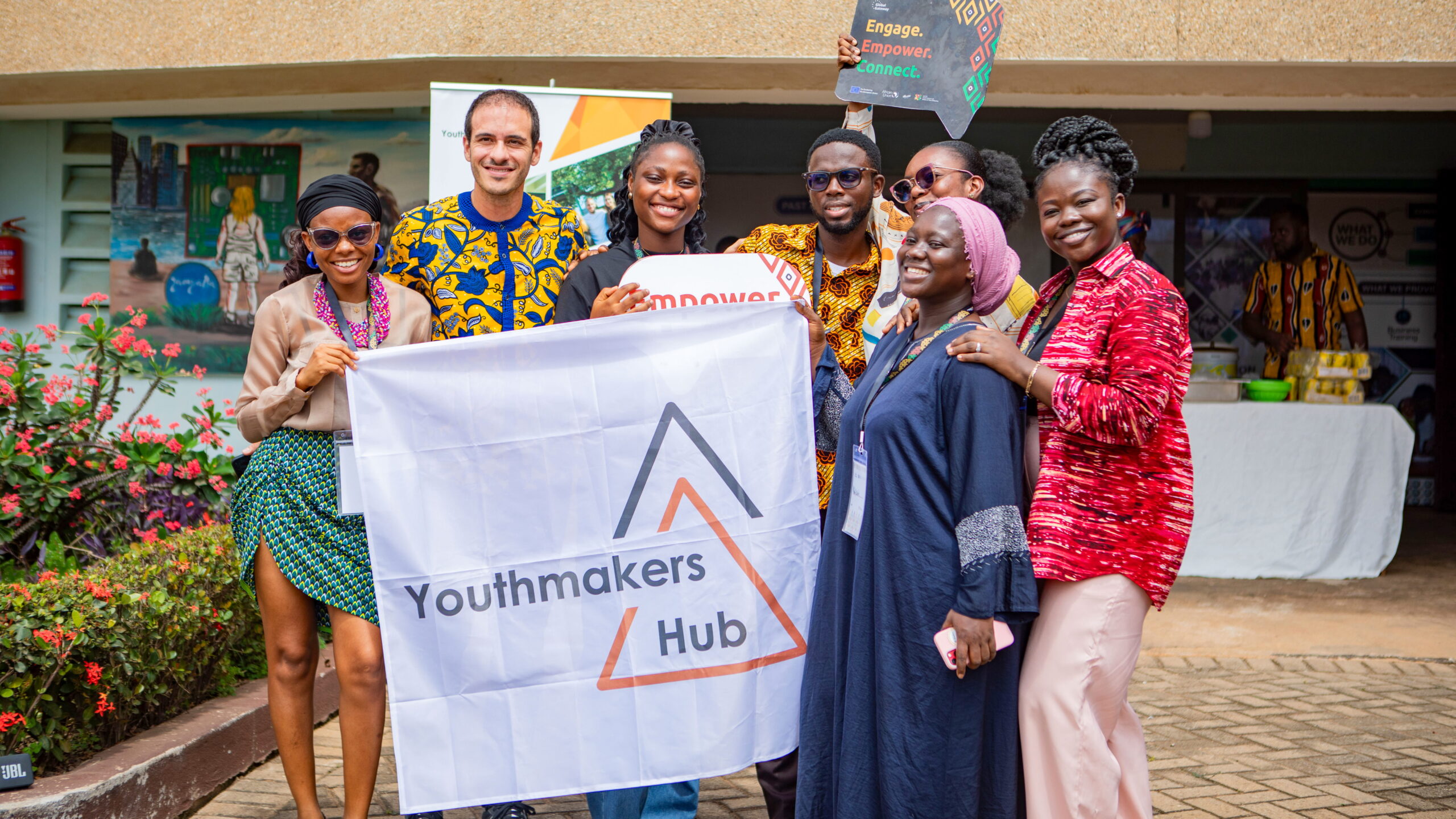
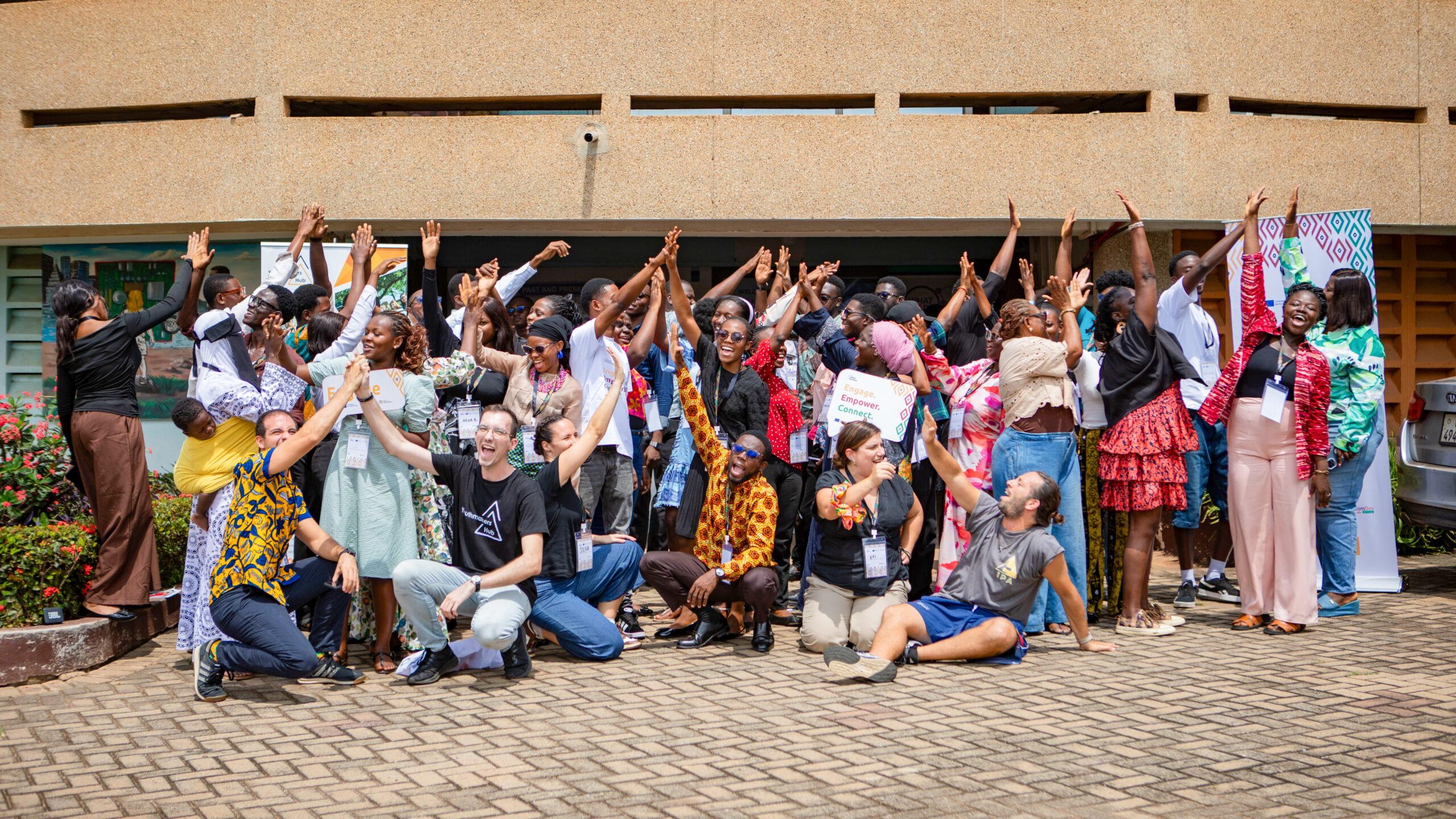
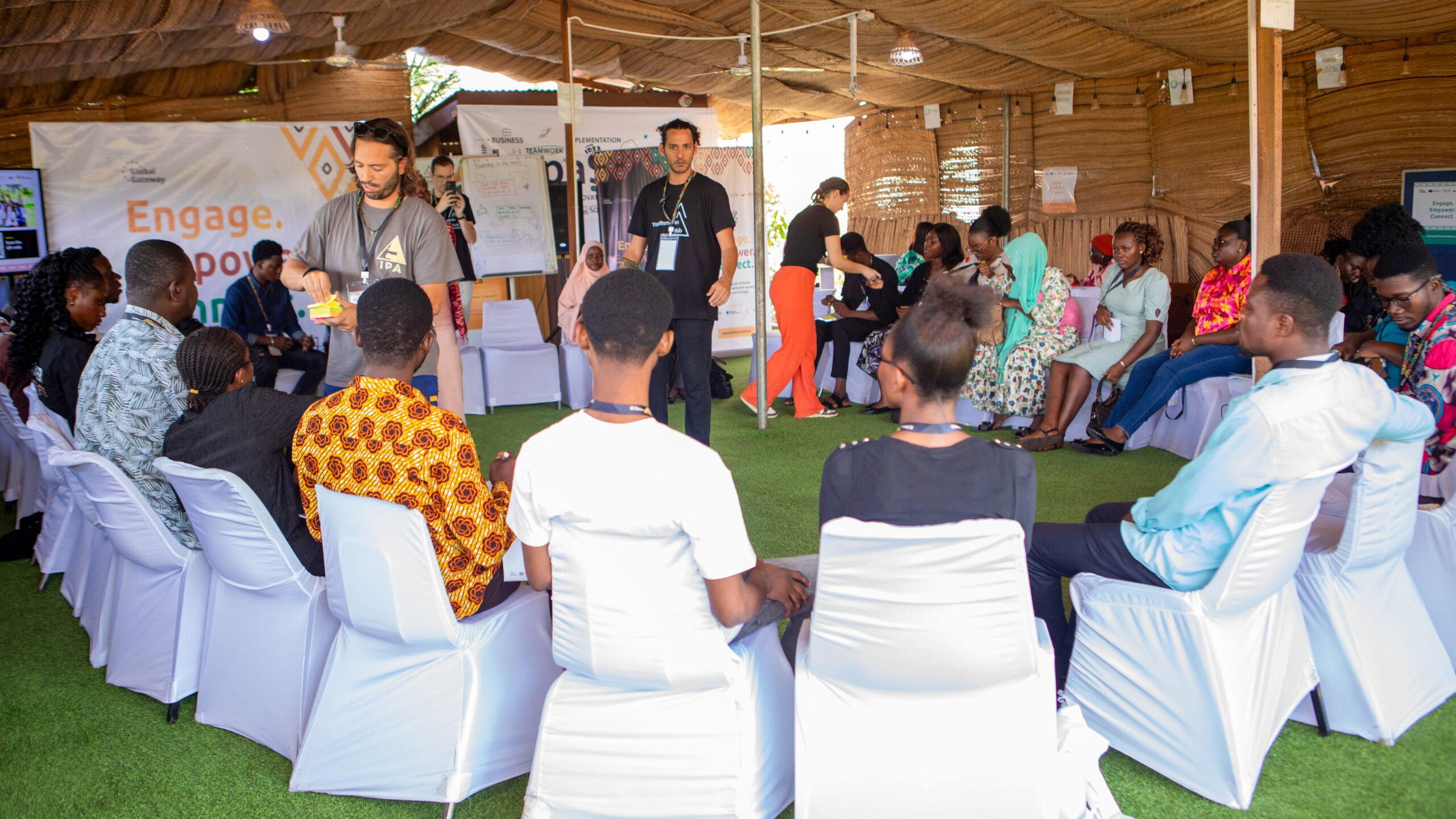
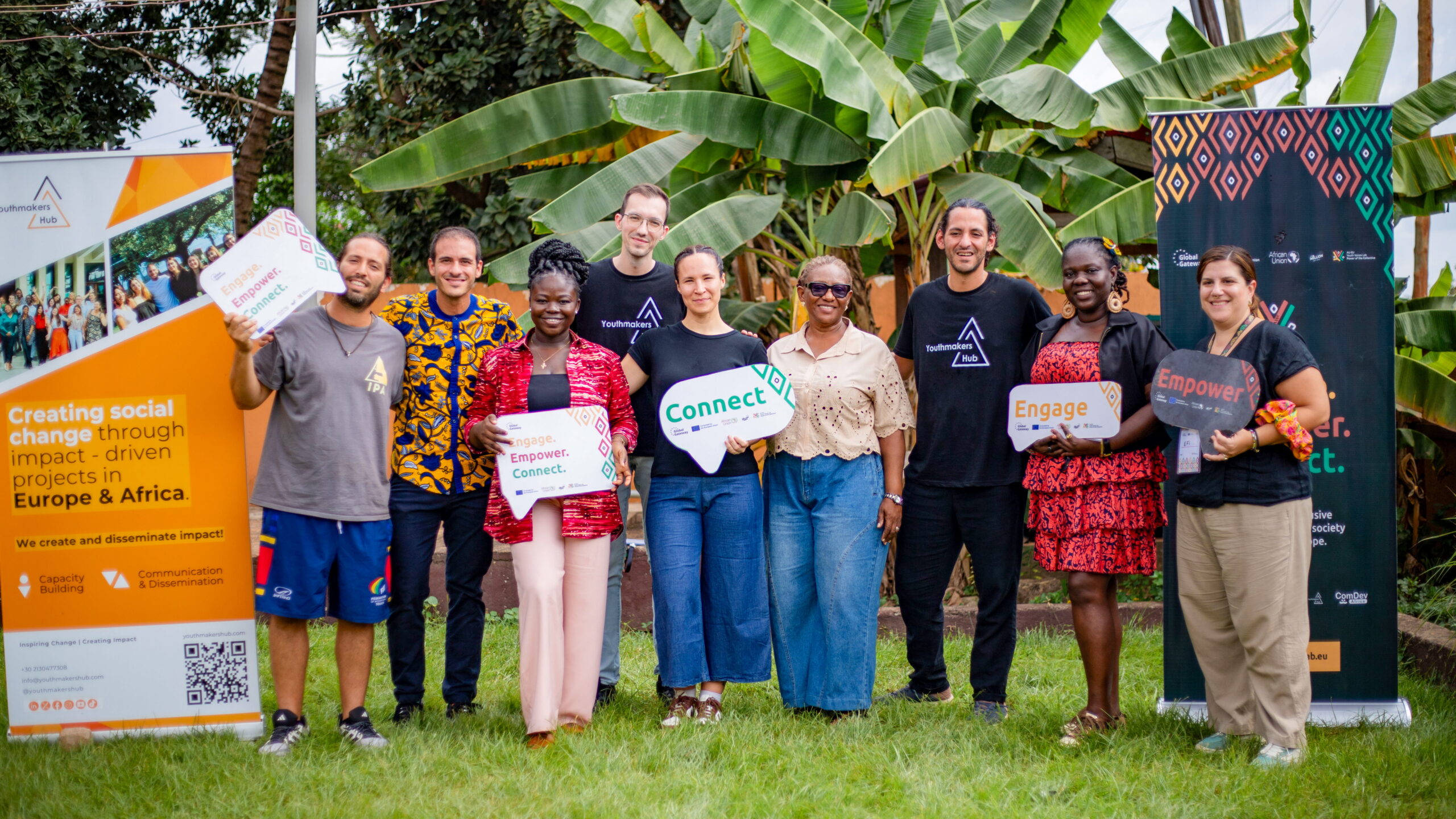
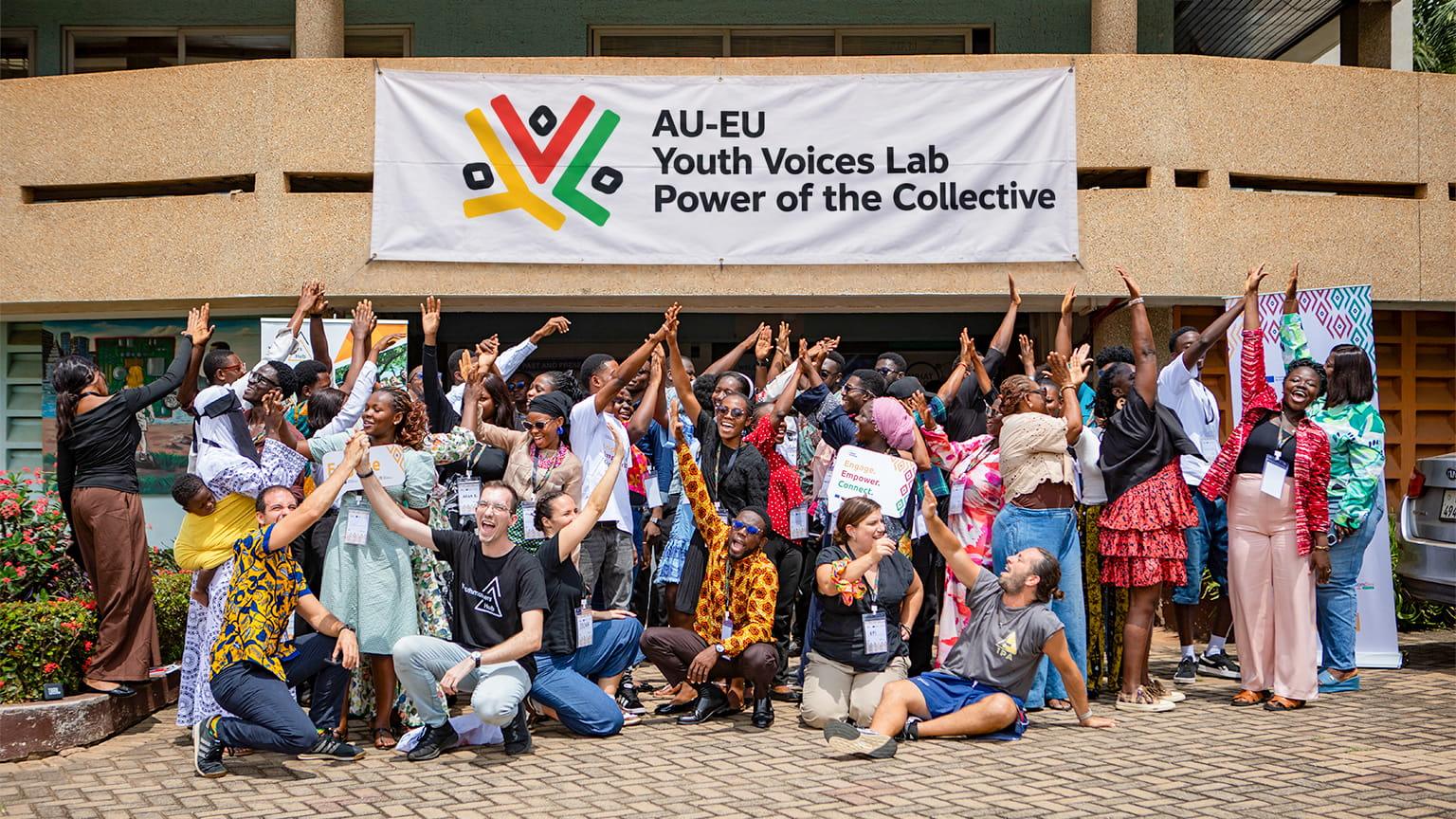
From 6 to 8 October 2026, 46 young people came together in Kumasi, Ghana, for Lead the Narrative: Communication for Youth Advocacy, an intensive three-day training delivered by Youthmakers Hub as part of the AU-EU Youth Voices Lab – Power of the Collective programme. The training was designed to strengthen young people’s ability to communicate their ideas with clarity, build effective strategies, engage stakeholders and confidently advocate for the issues and initiatives they care about.
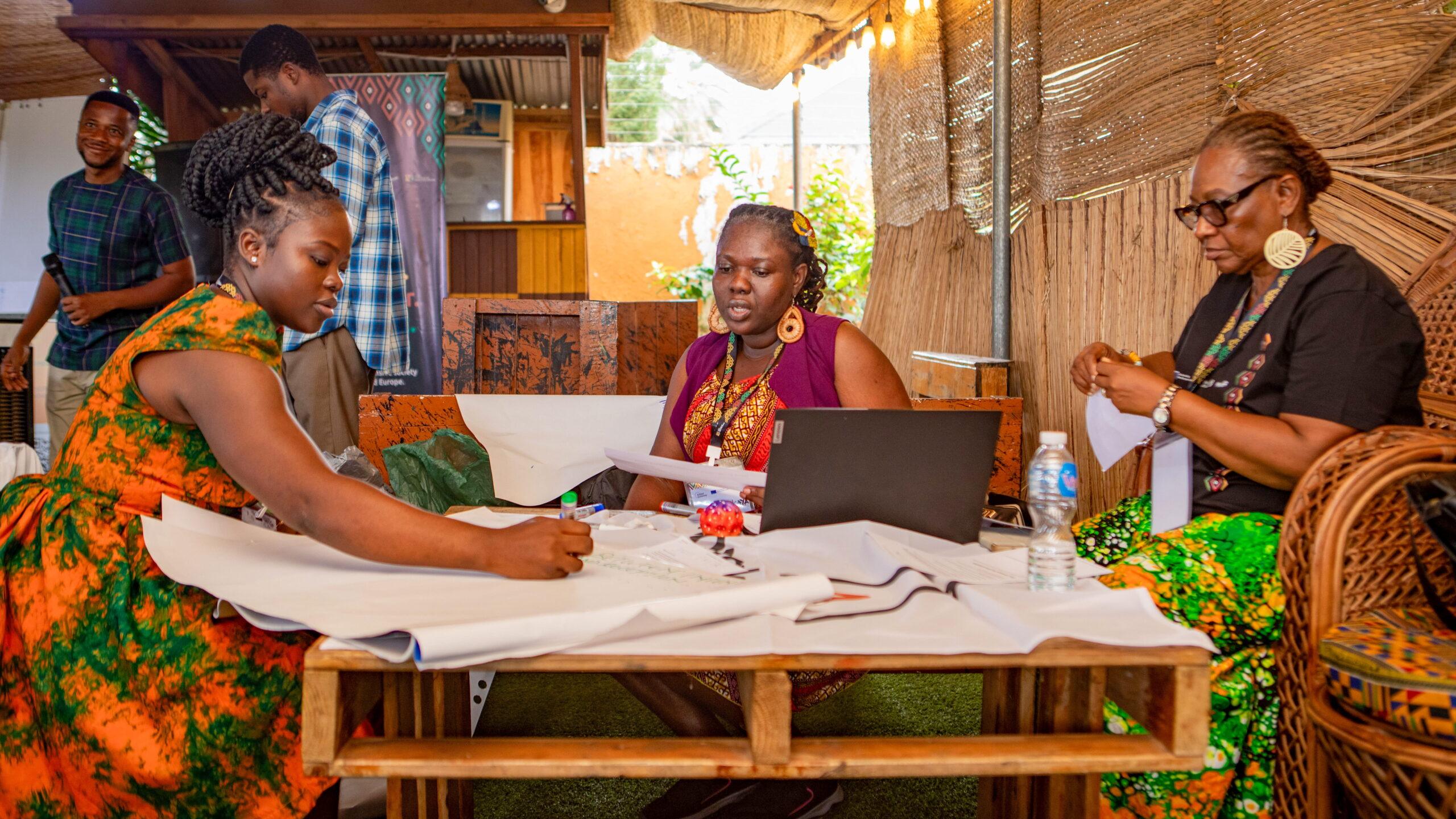
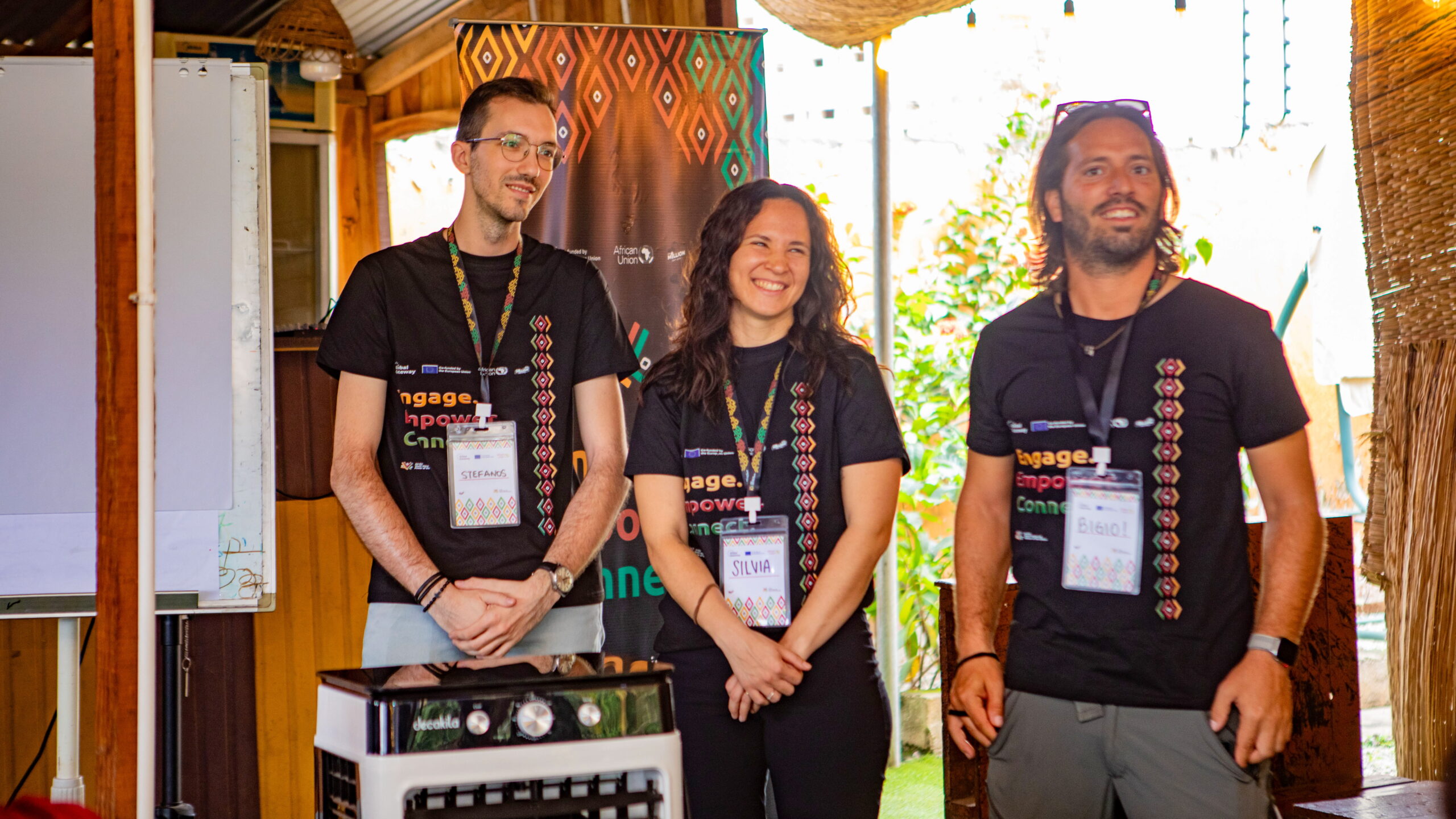
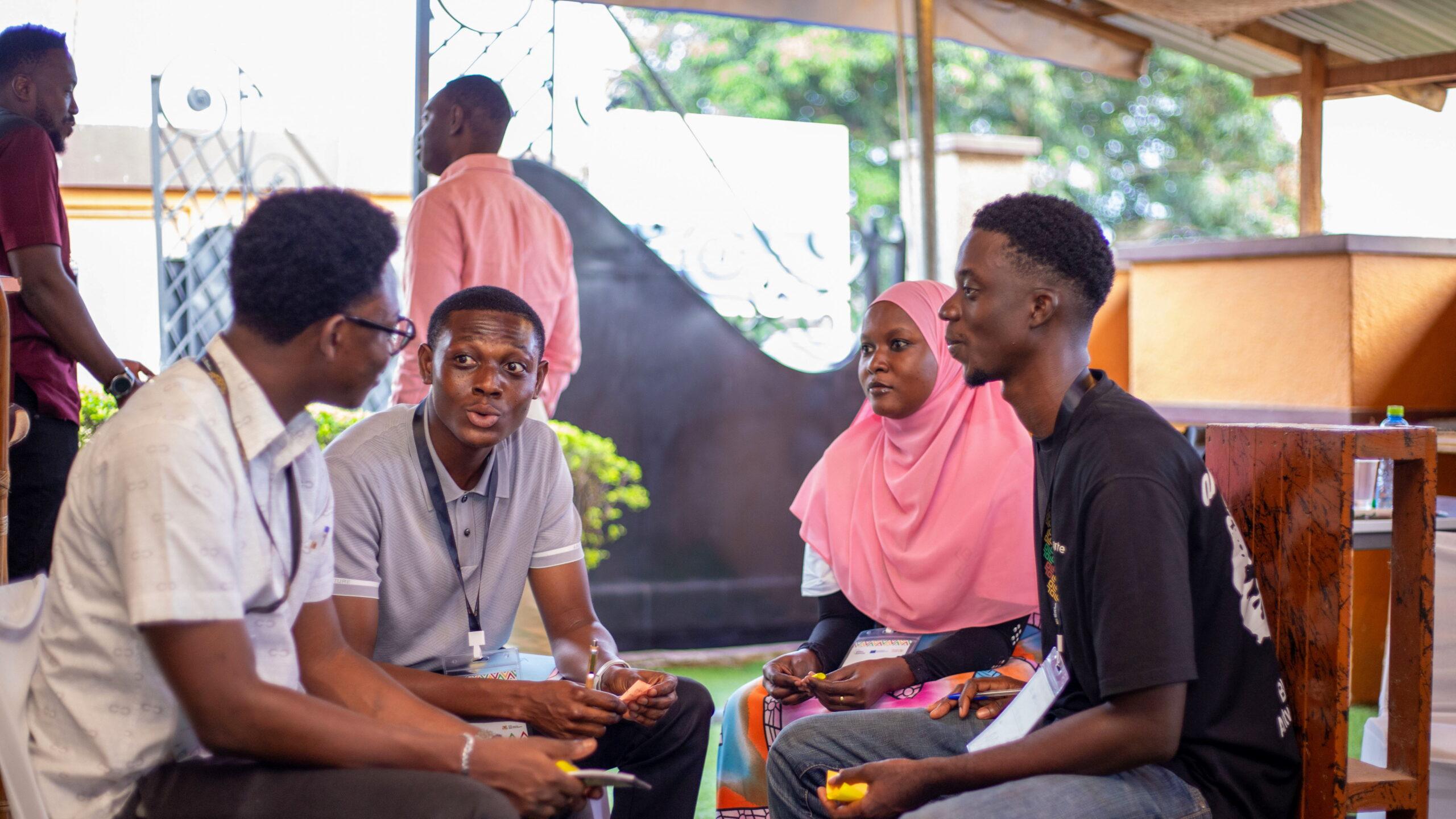
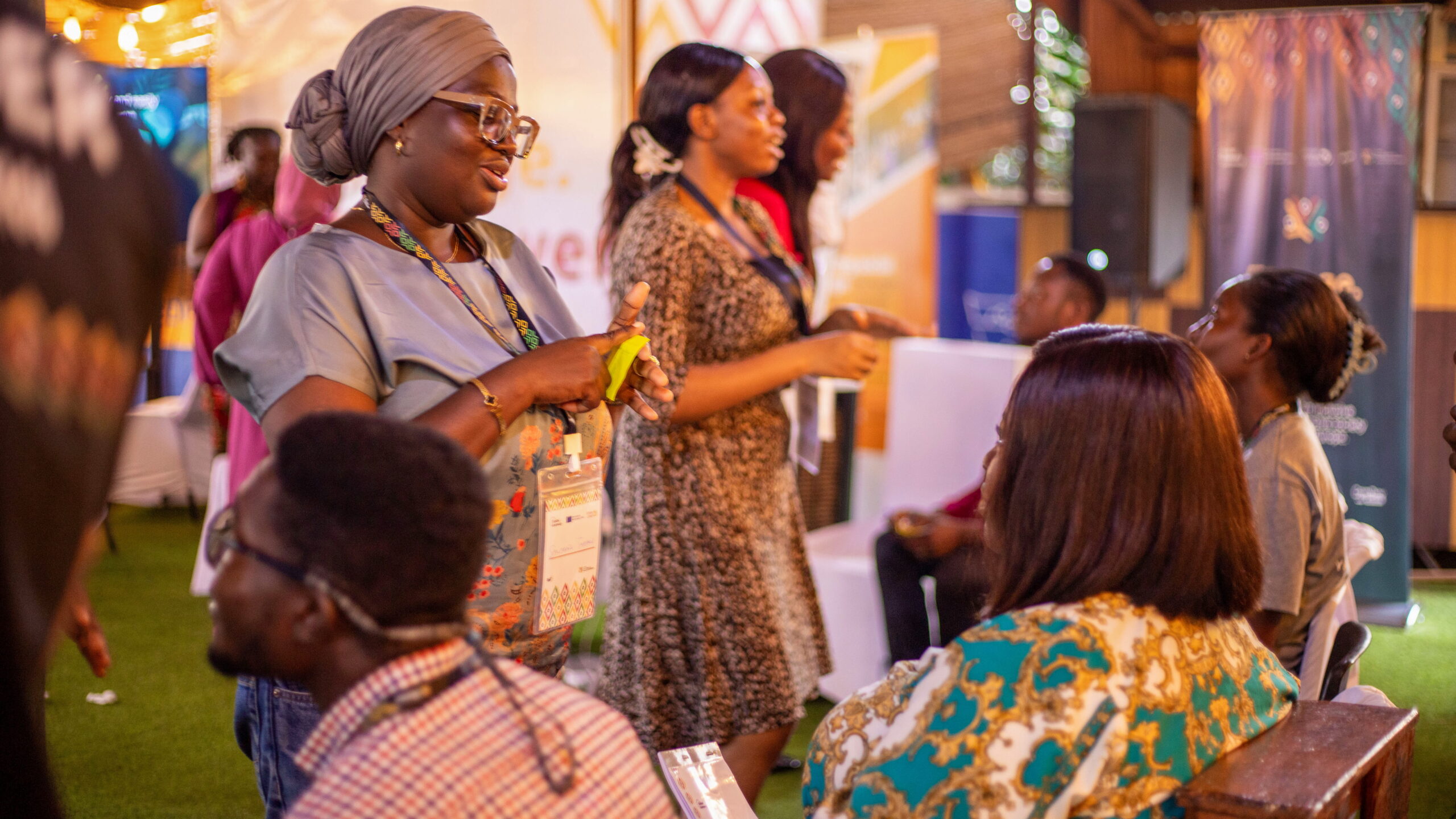
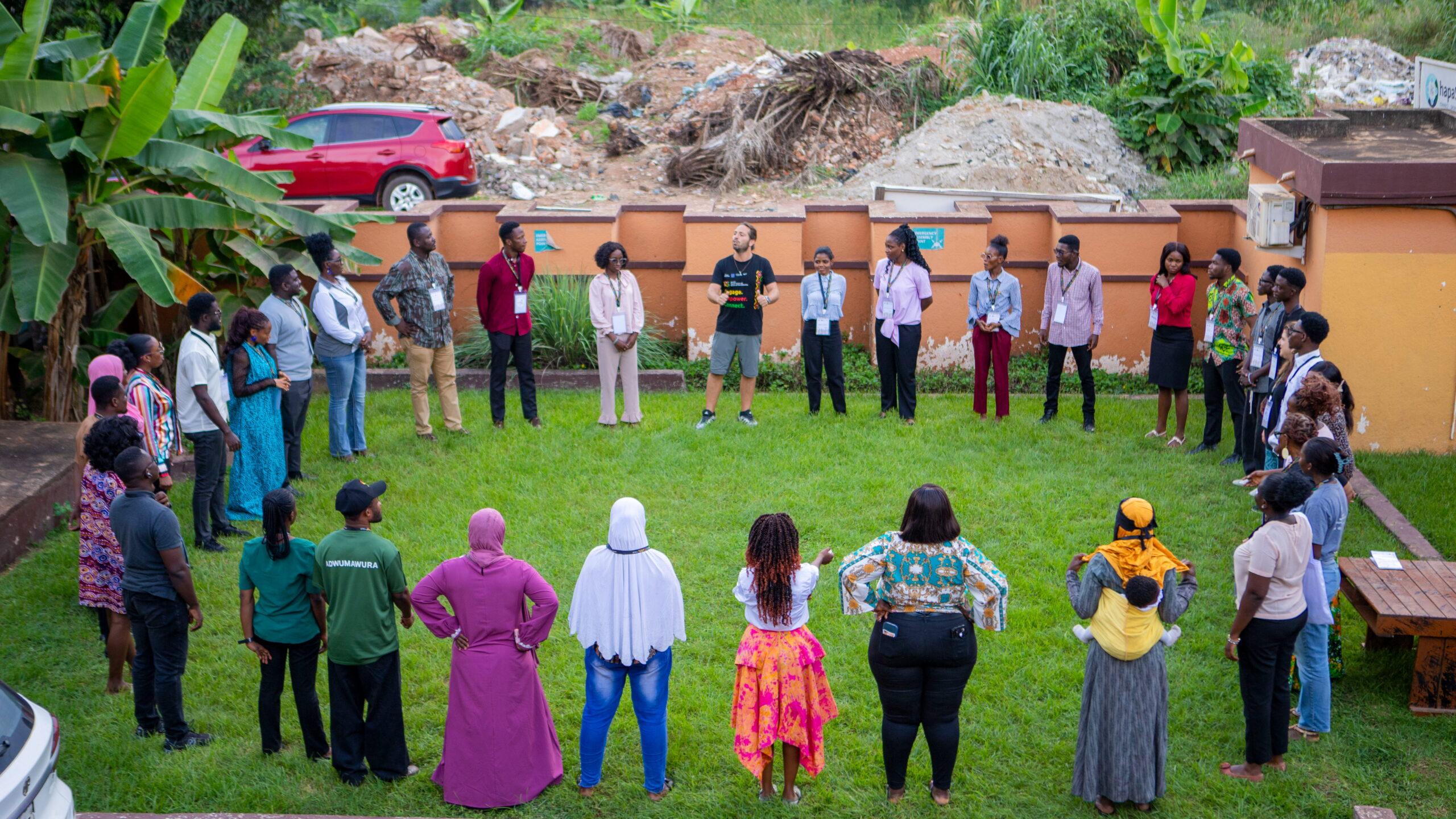
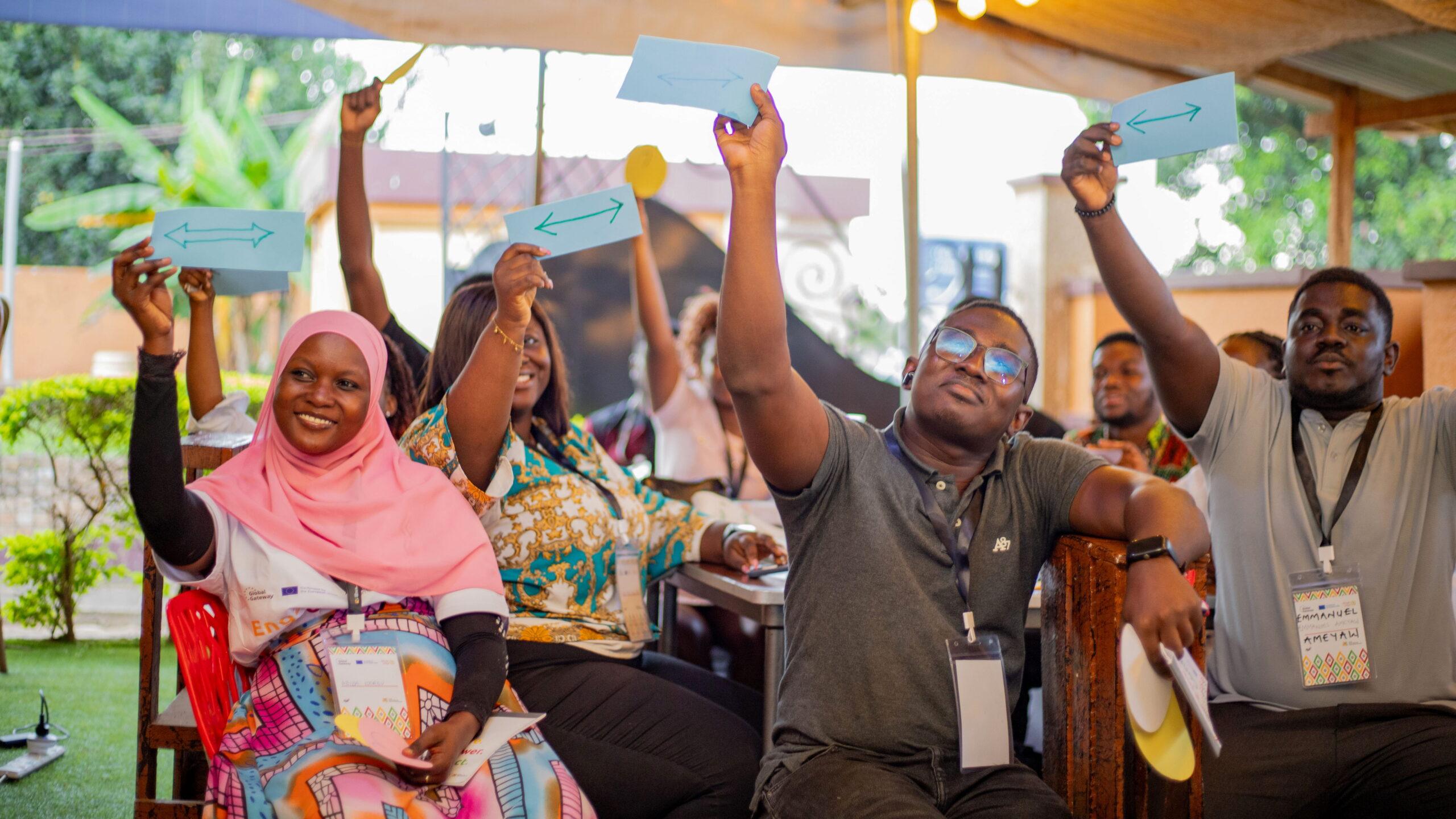
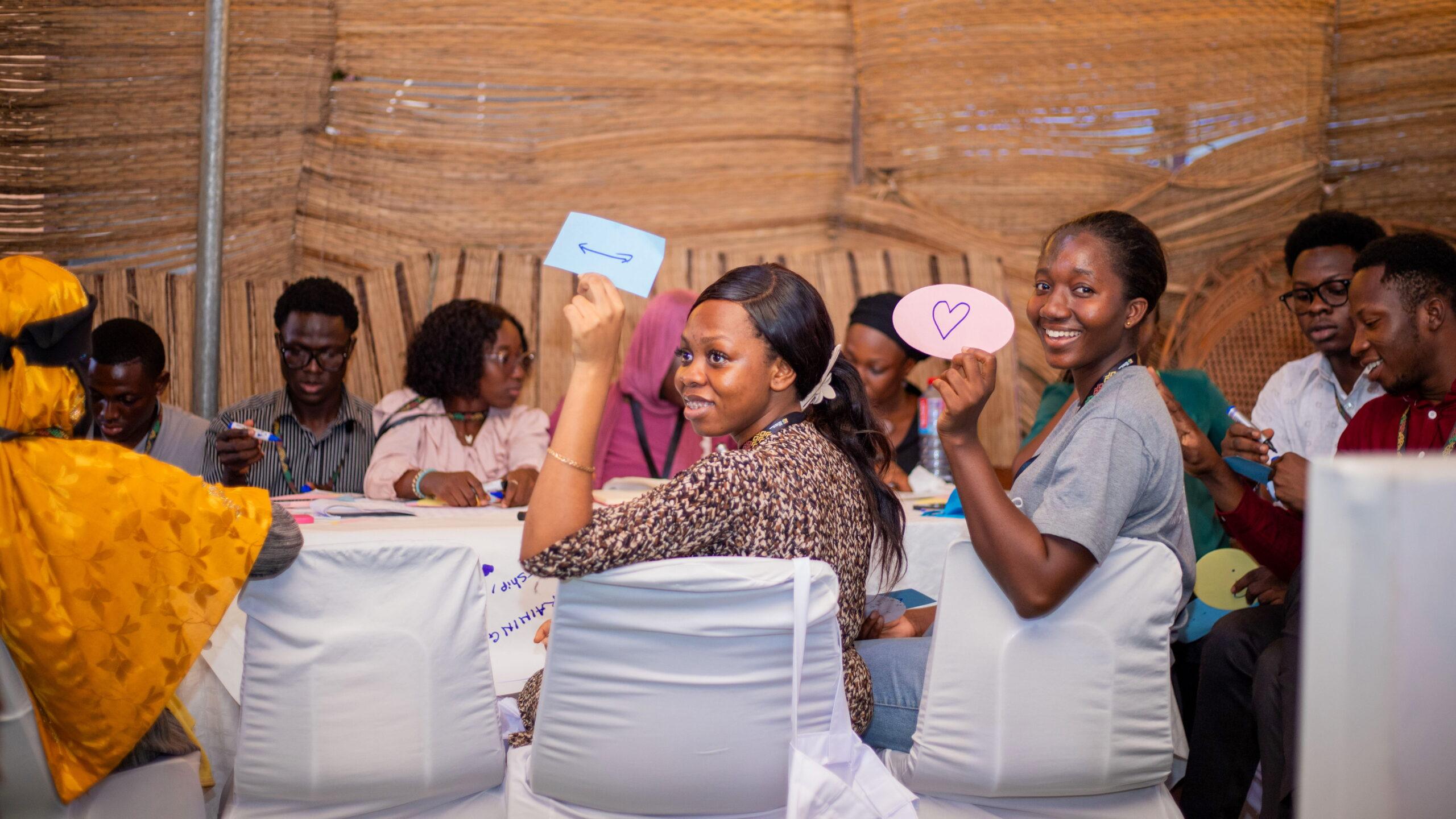
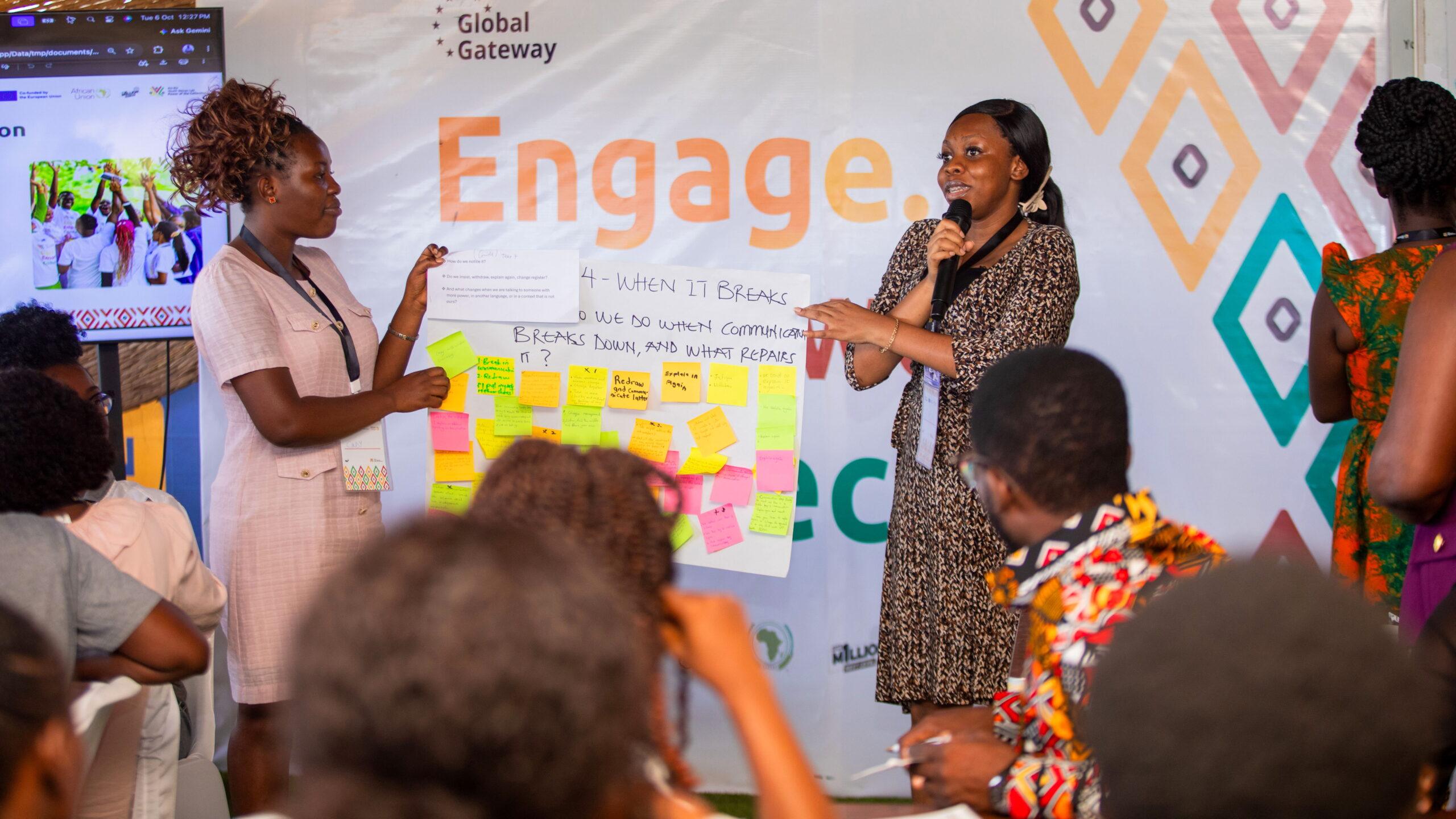
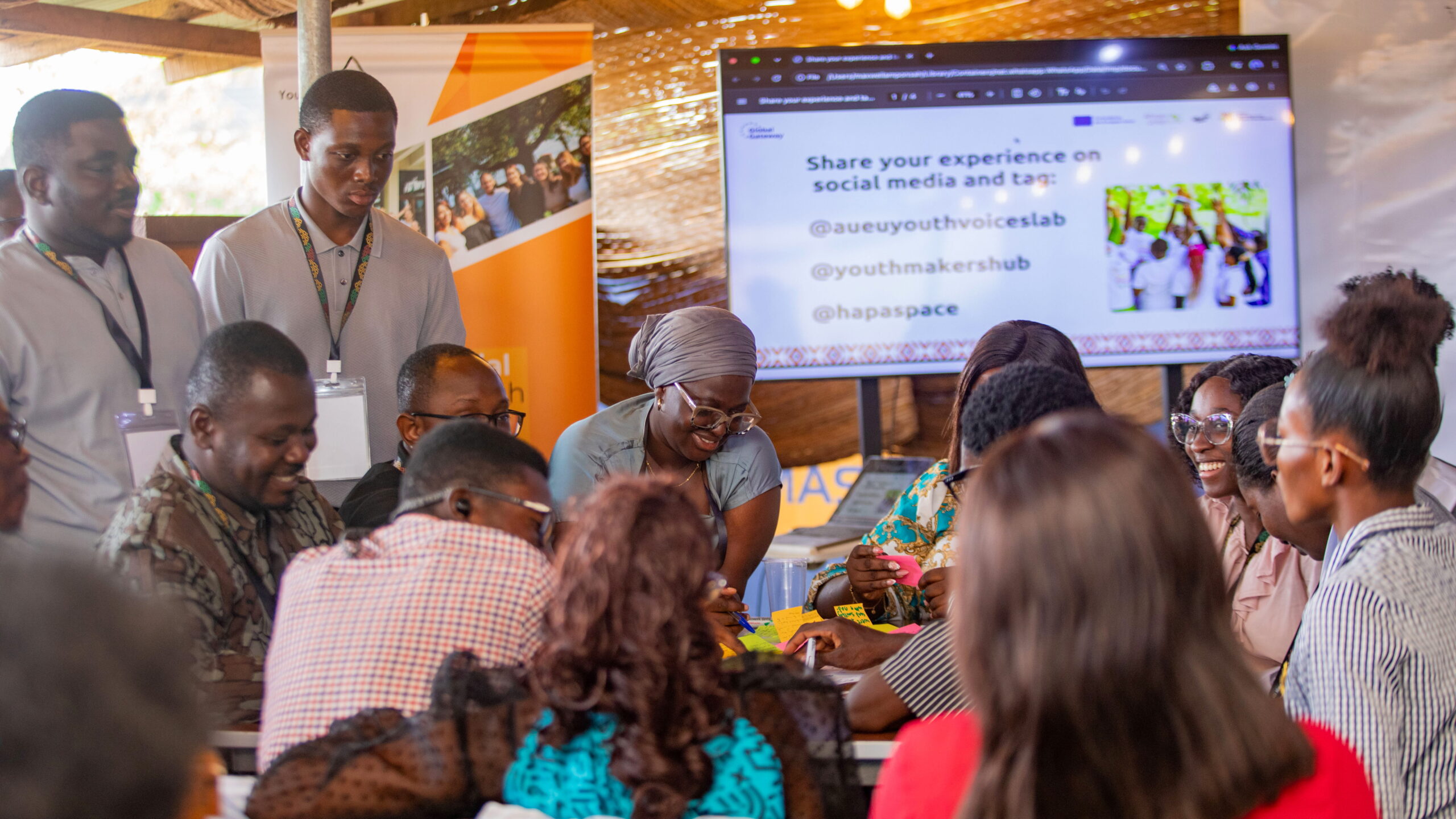
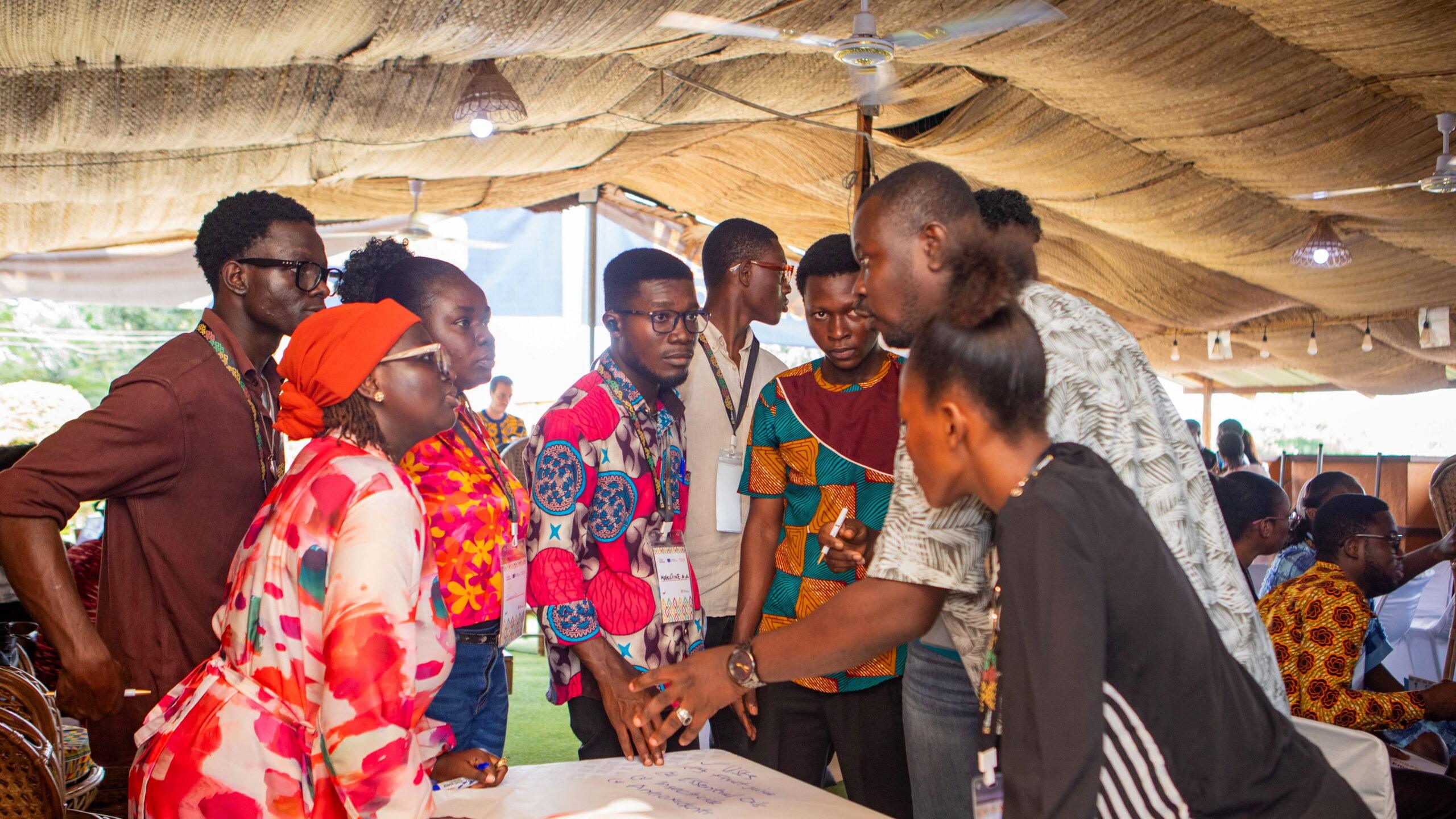
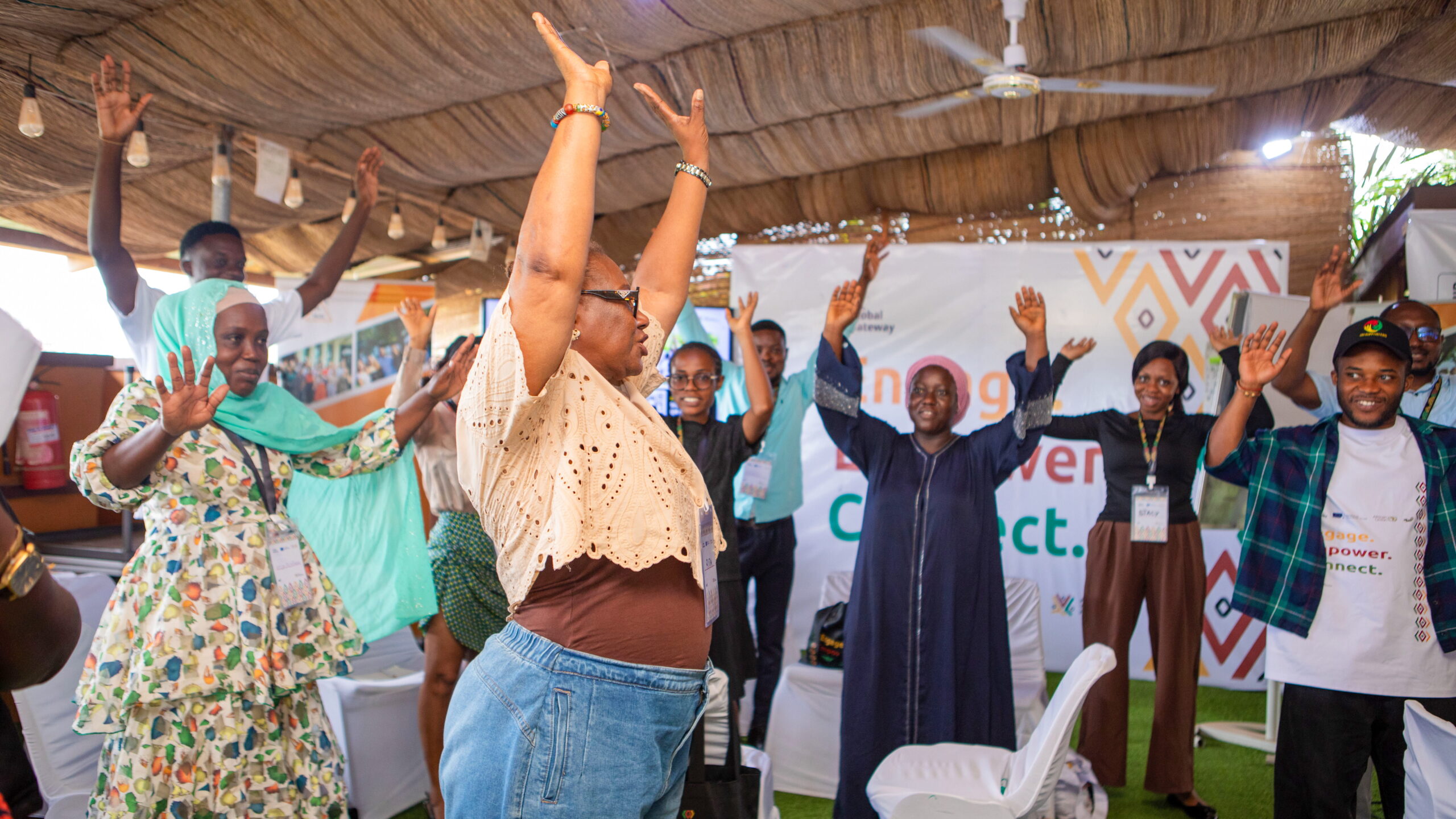
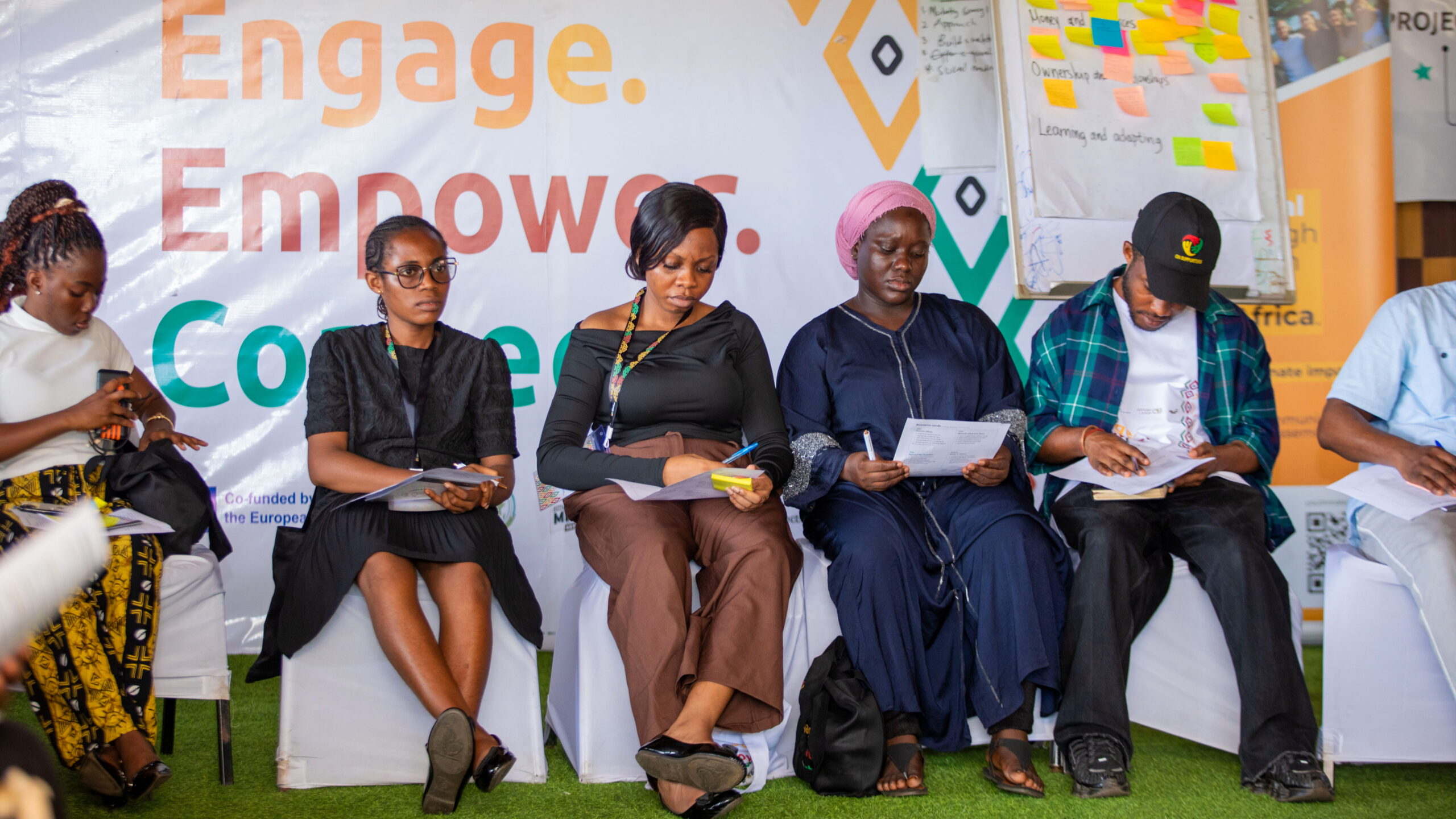
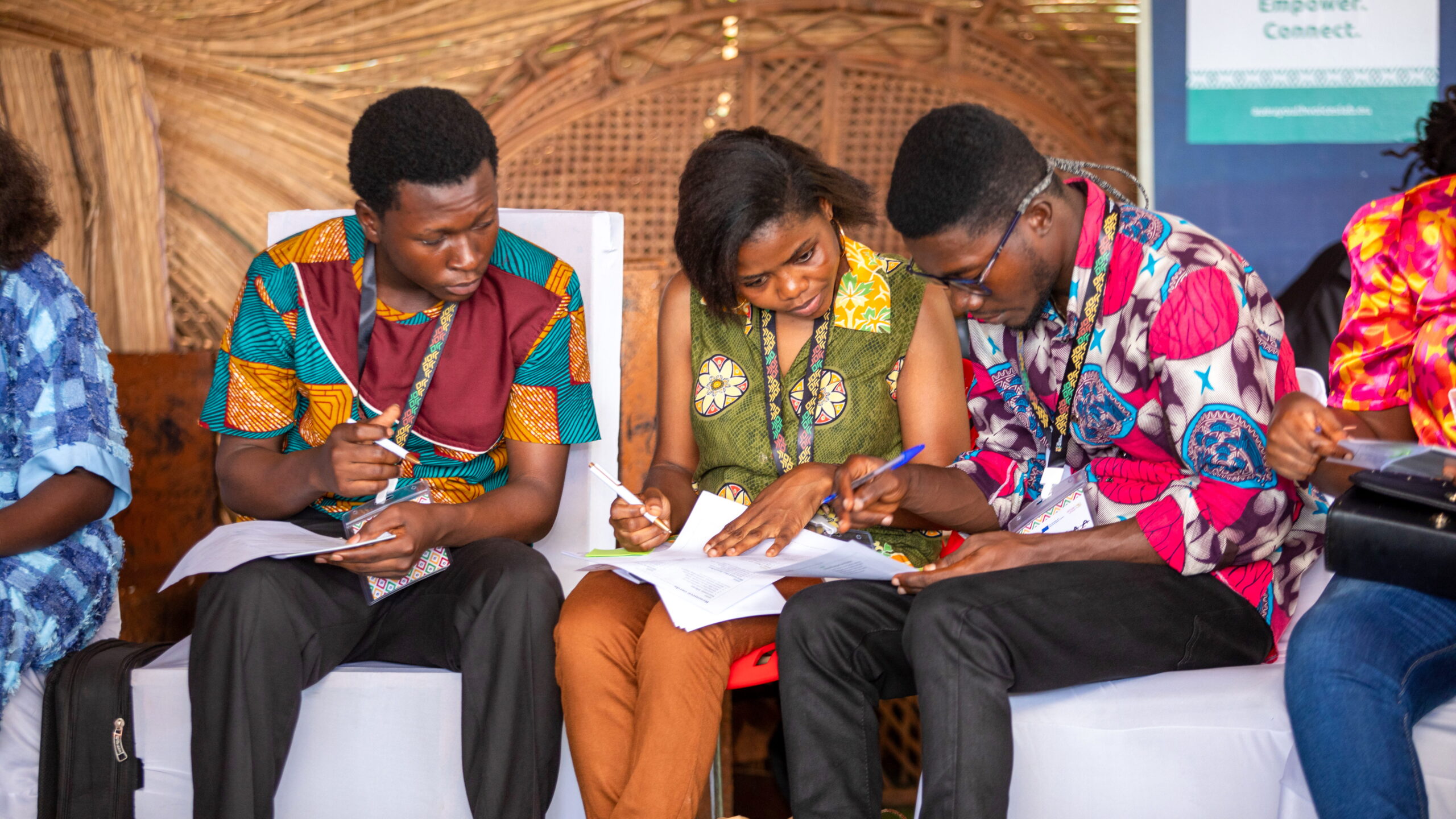
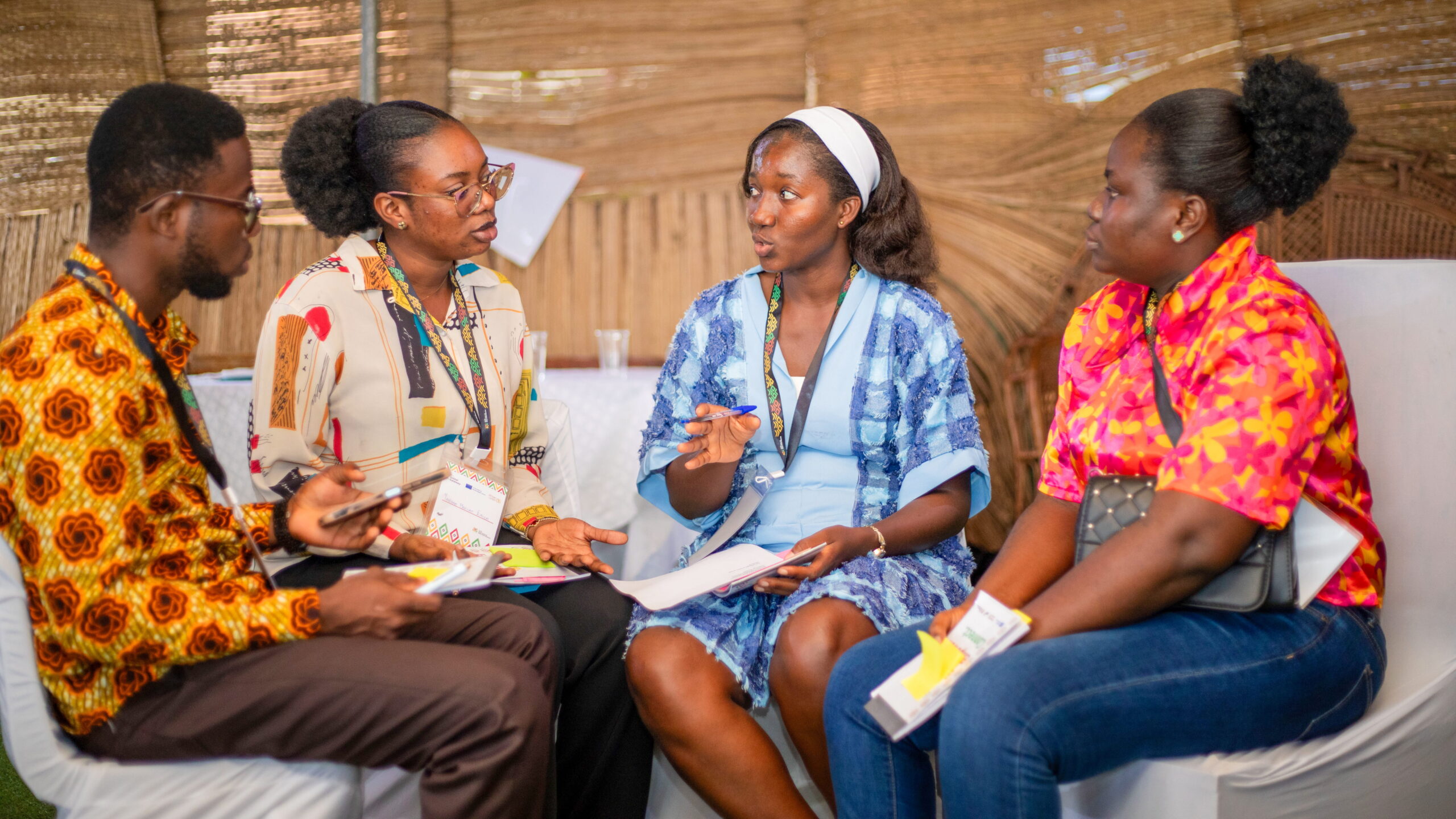
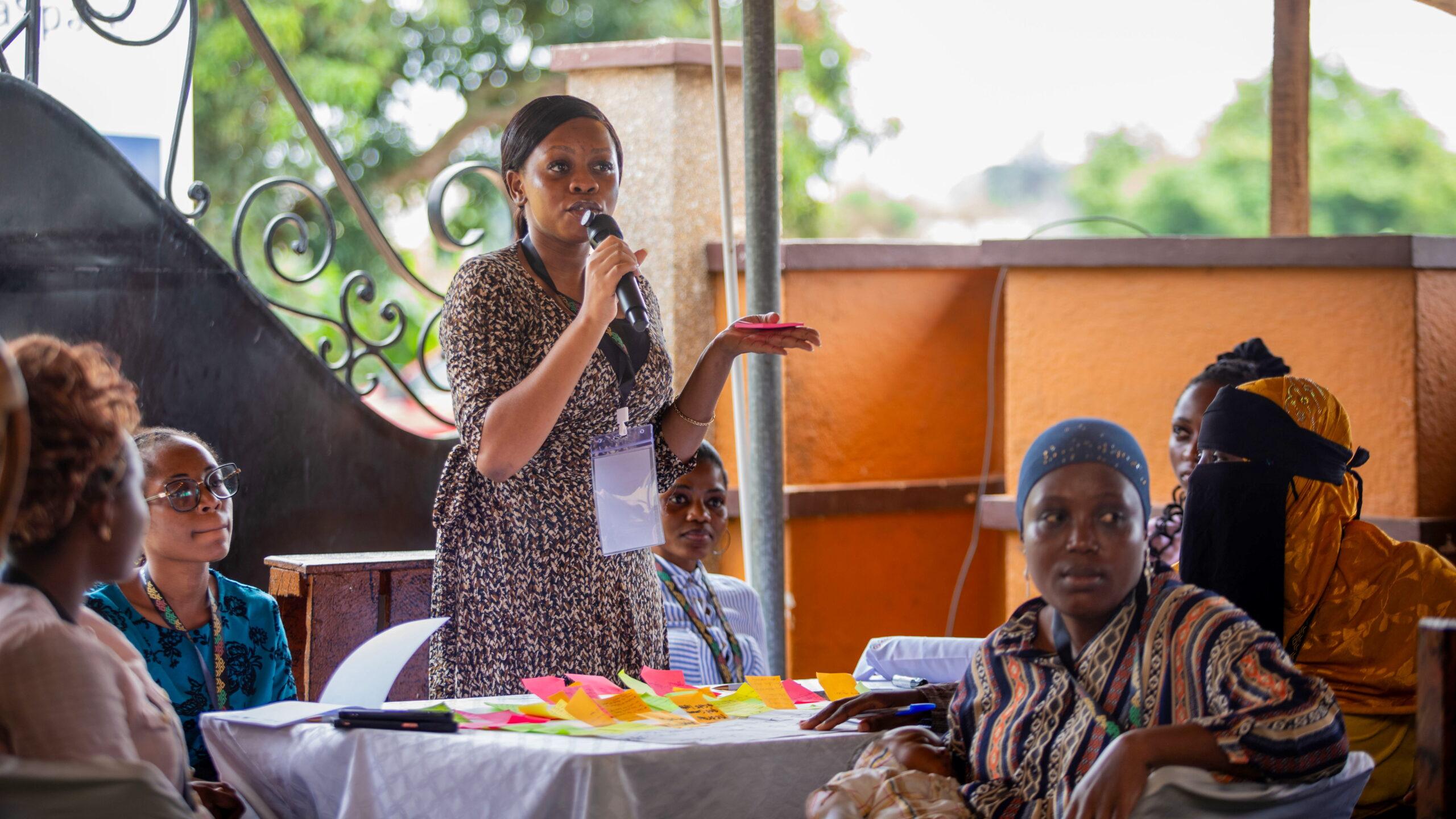
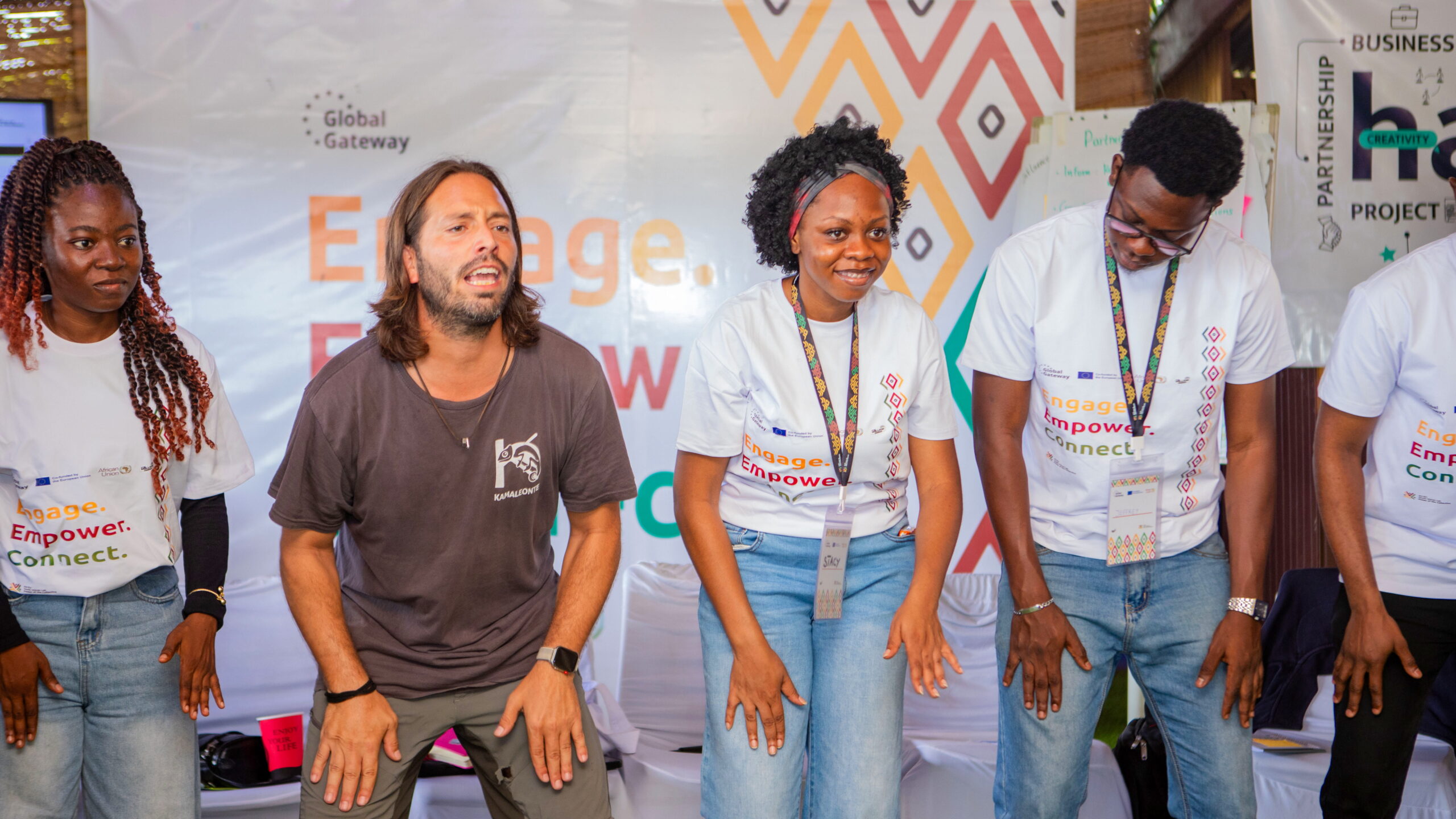
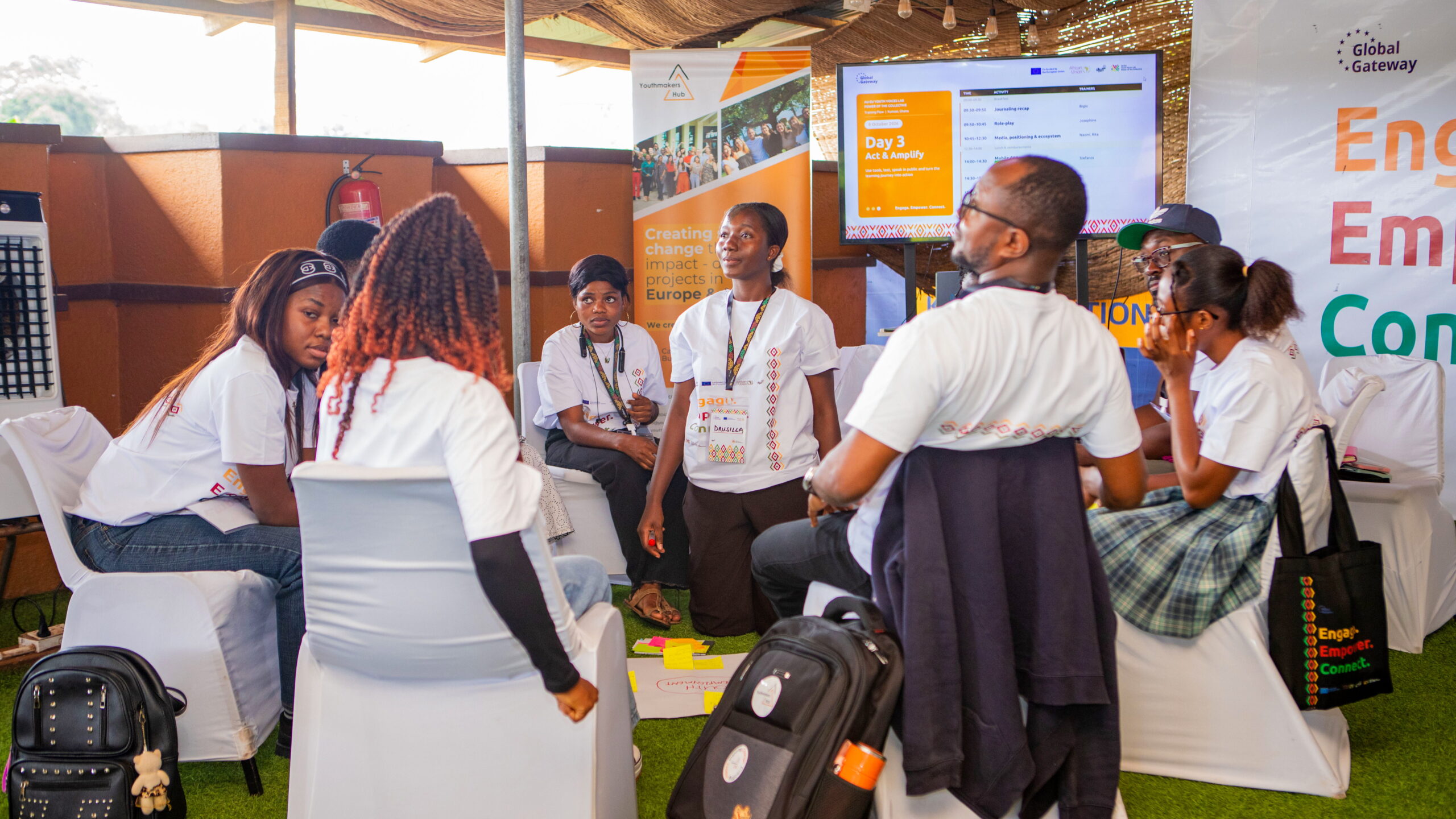
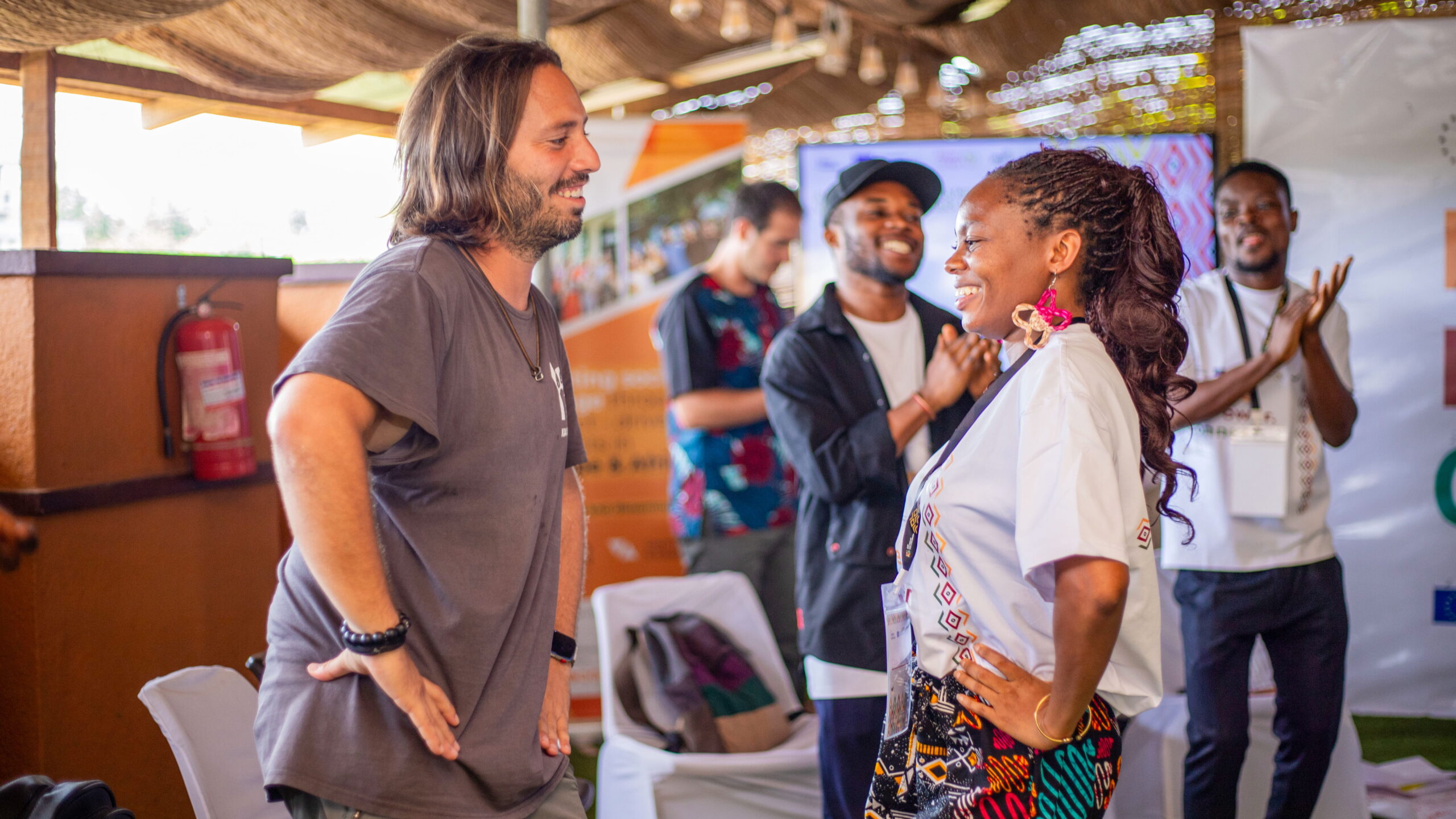
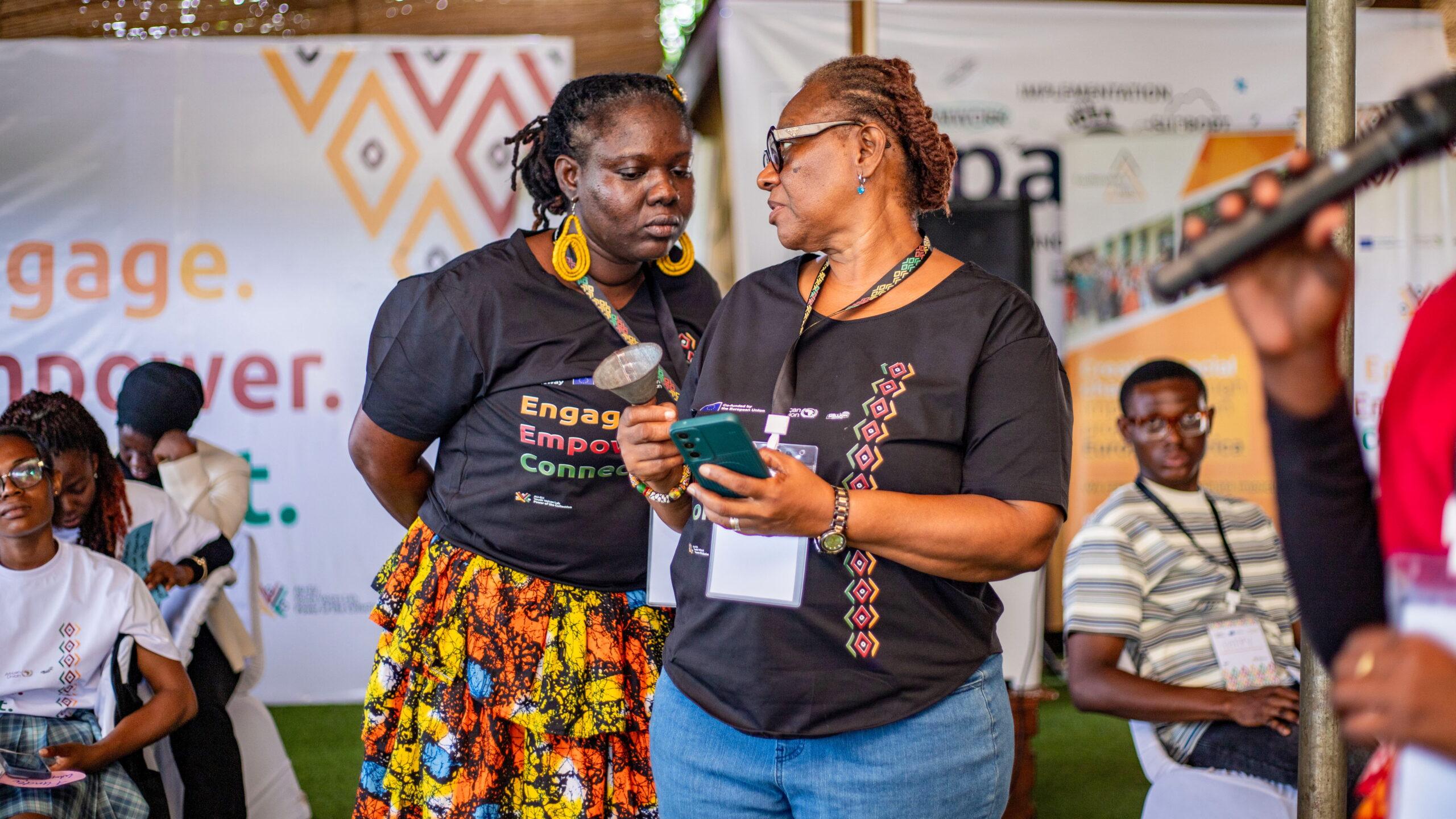
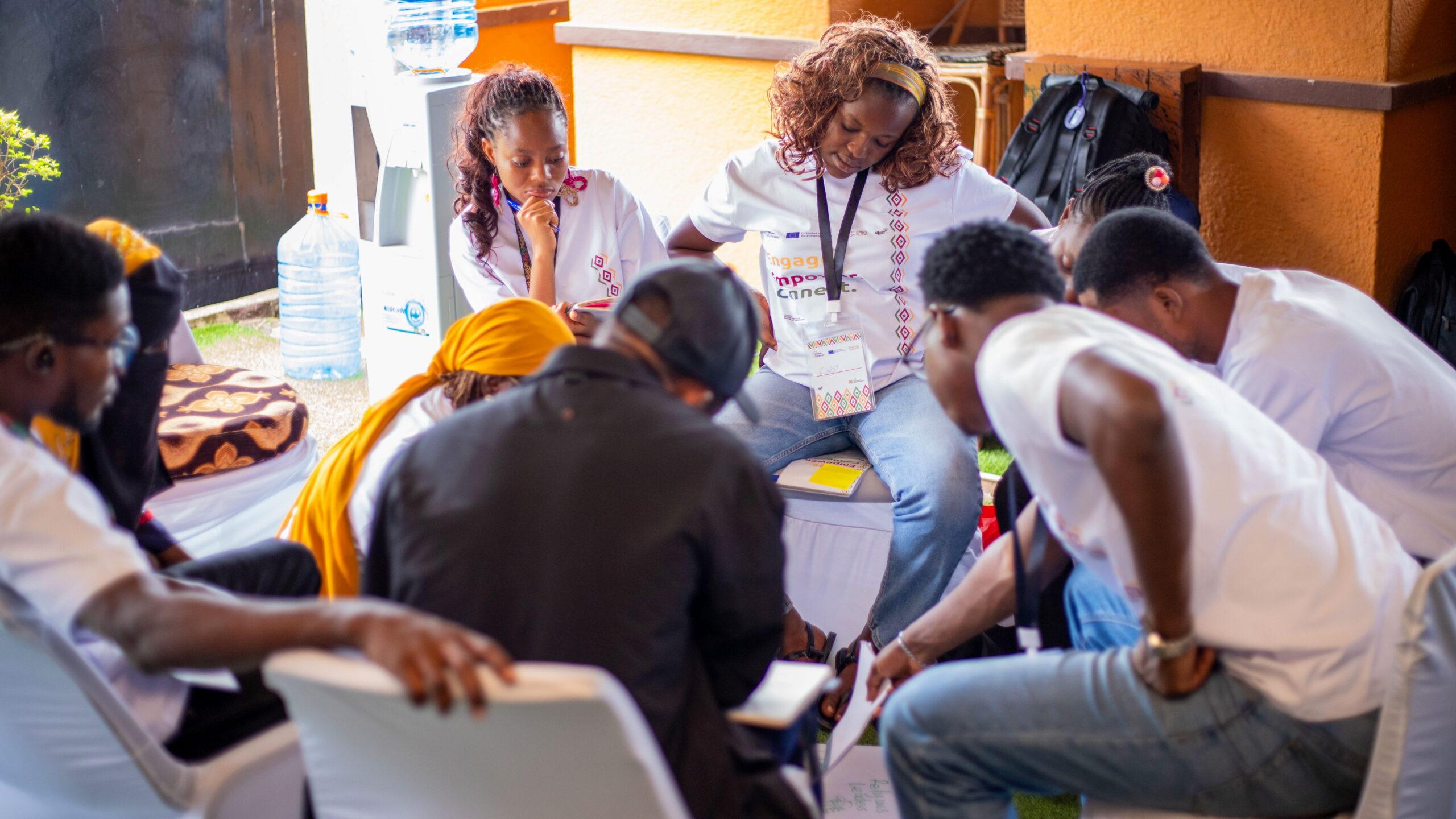
The group included 27 women (58.7%) and 19 men (41.3%), supported by a team of nine trainers, five women and four men. Participants were young people engaged in advocacy, community initiatives and other youth-led activities. Across the three days, the learning was highly practical. Participants worked through group exercises, peer learning, role-playing, public speaking, storytelling, pitching, stakeholder mapping and digital engagement, applying the training directly to their own ideas and experiences.
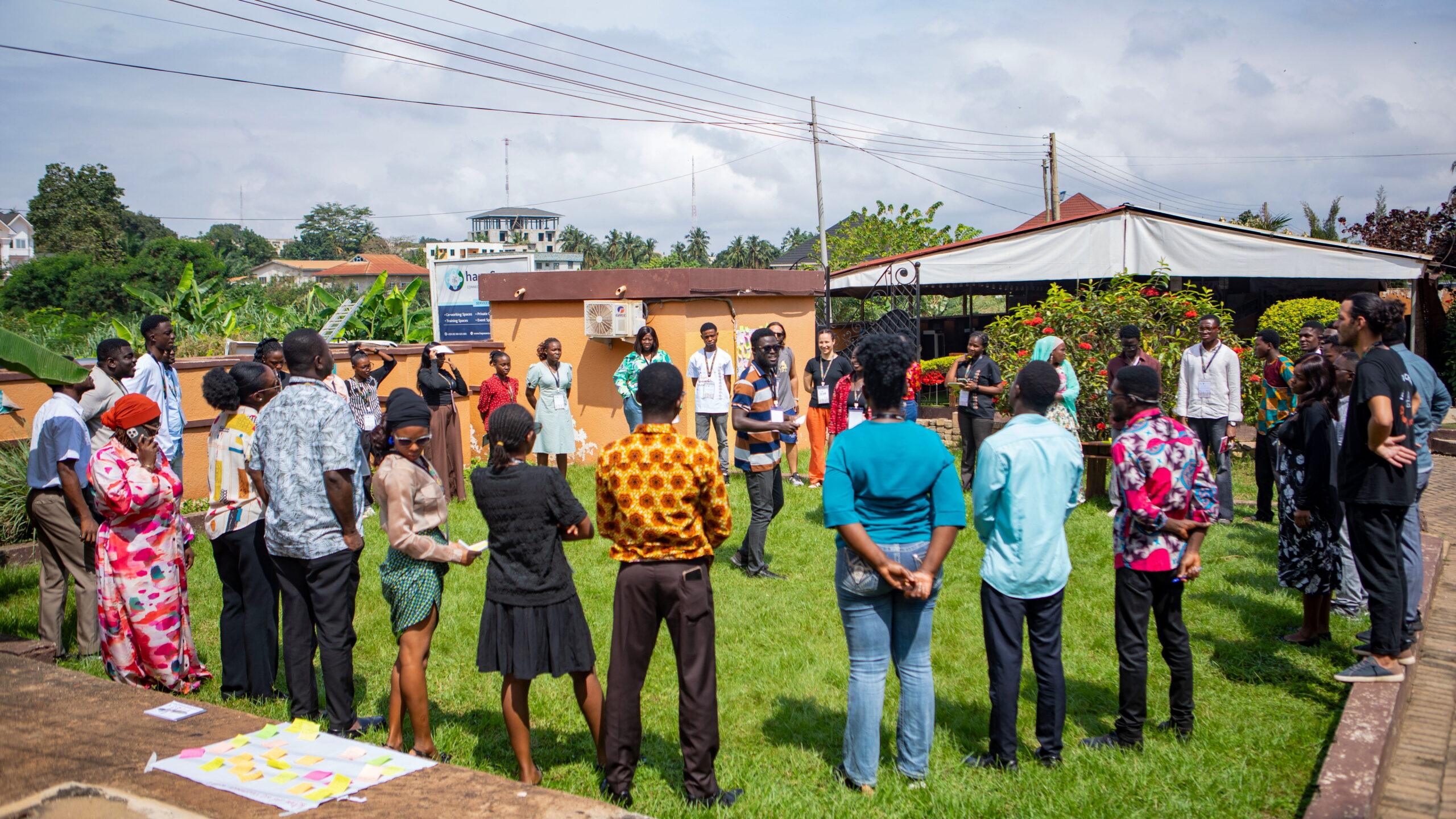
The first day focused on creating the foundations for effective communication. Participants began by building connections and trust within the group before exploring the fundamentals of communication and reflecting on how they communicate with others. The sessions then moved into finding the message: identifying what participants want to say, and how it can be communicated clearly to different audiences. Through practical speaking activities, participants moved from message to voice, testing how they express their ideas, observing their own communication styles and learning from one another. The focus was not only on what to say, but on developing the clarity, confidence and purpose needed to make a message meaningful.
The second day moved from communication into strategy and sustainability. Participants first reflected on the learning from Day 1 before examining how a strong message fits within a wider strategy. They explored how to connect their communication with clear objectives, audiences and longer-term plans.
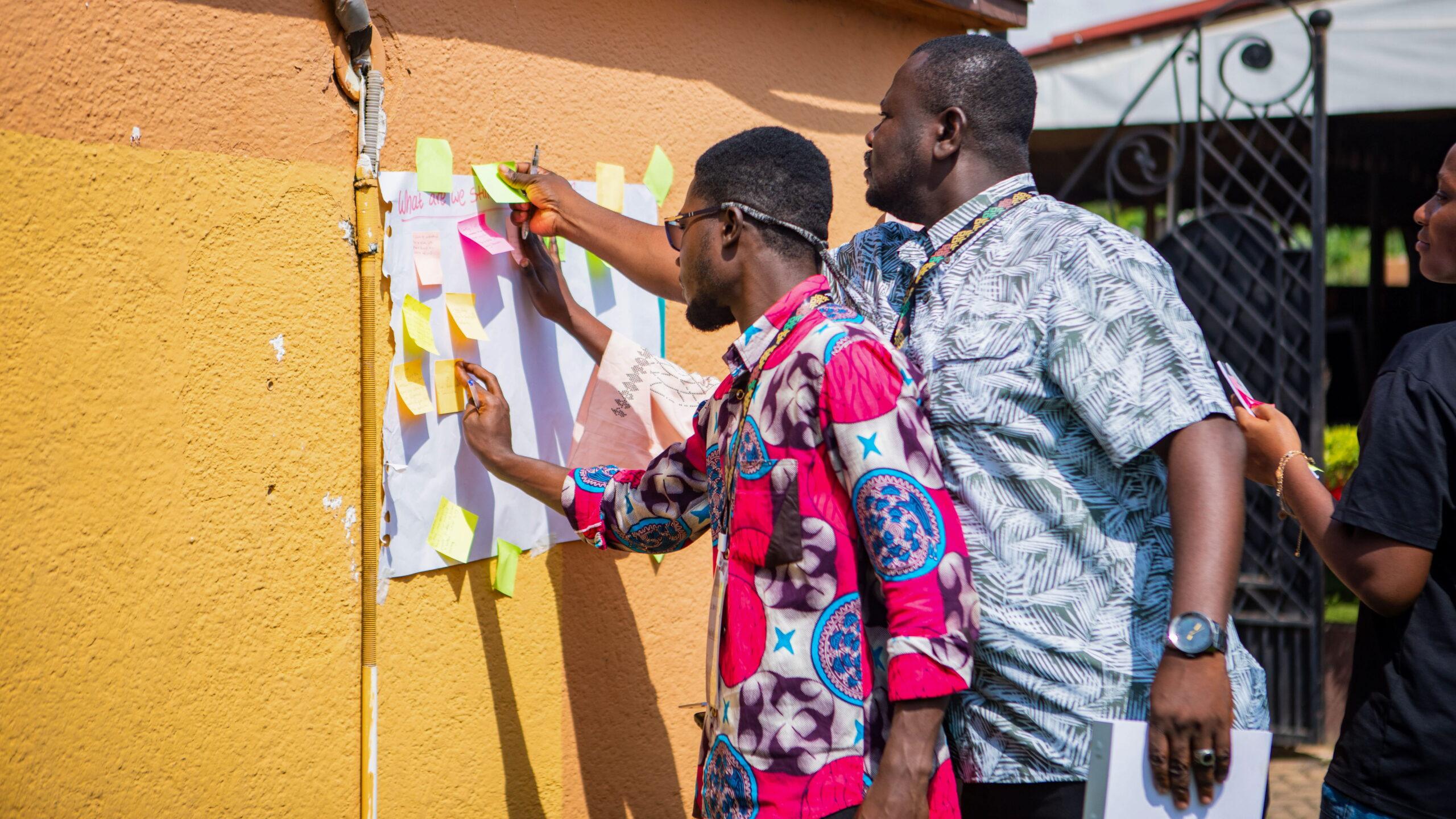
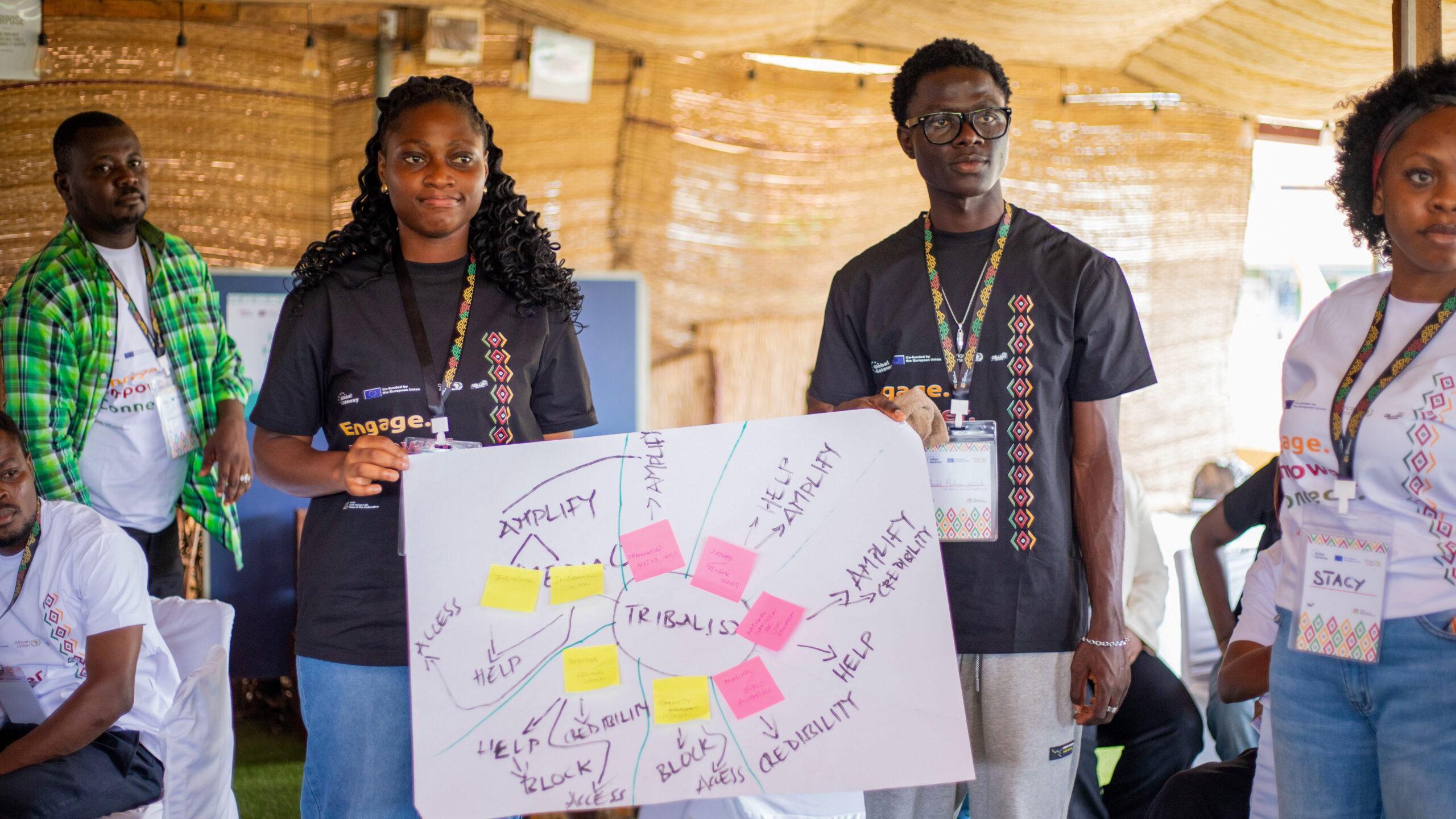
The training also addressed building sustainable initiatives, encouraging participants to think beyond individual activities and consider the structures, relationships and planning needed to move an idea forward. A major part of the day focused on stakeholders, partnerships and audiences. Participants mapped the people and organisations they may need to reach, influence, involve or collaborate with. They then put their storytelling skills into practice by stepping into the role of reporters. Working in groups, participants created one-minute videos on topics that are not widely discussed, challenging them to identify an overlooked issue, frame it clearly and communicate it effectively within a limited amount of time.
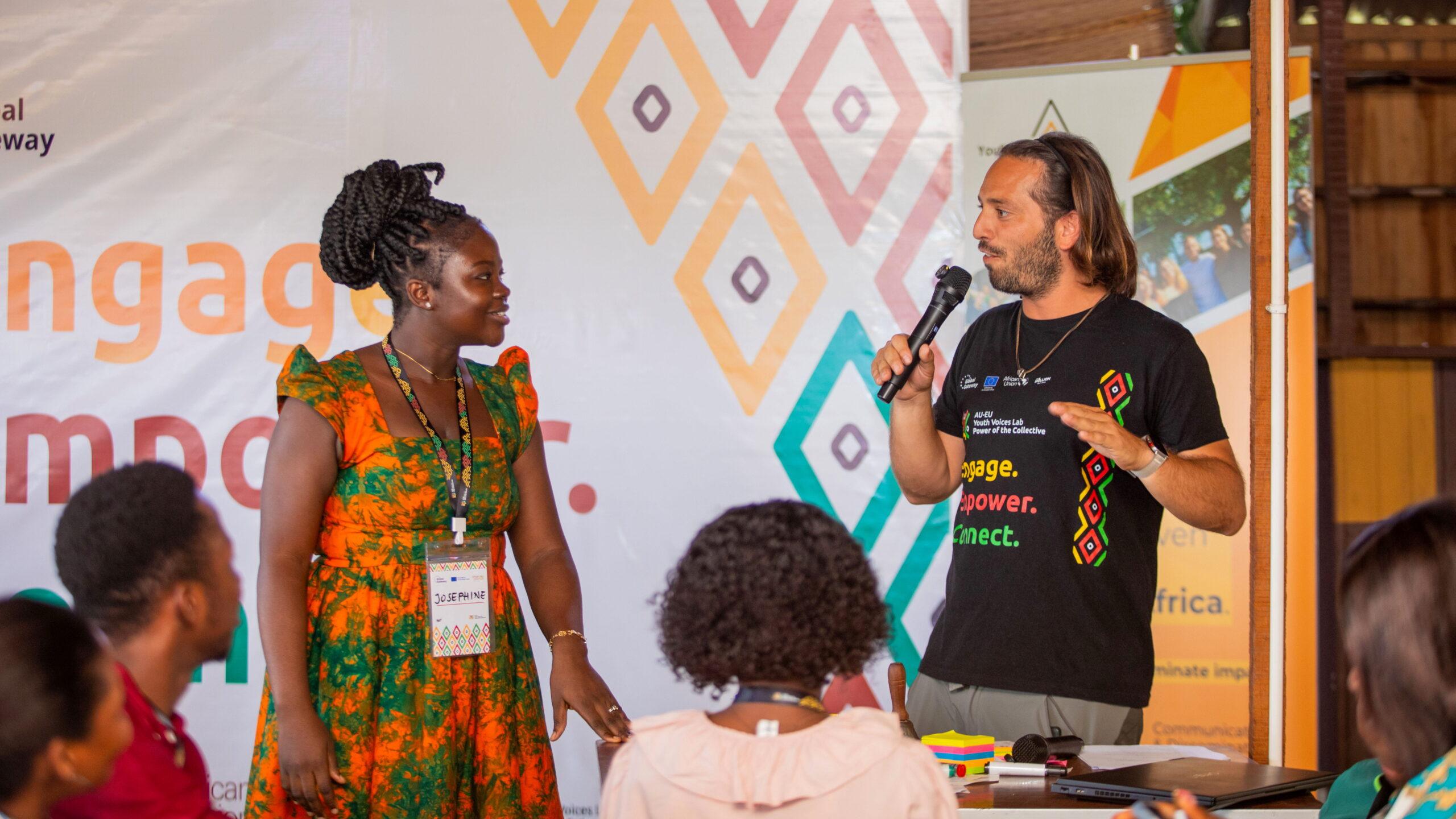
The final day brought the different elements of the training together through real-world practice. Participants took part in role-playing exercises that challenged them to pitch and communicate their ideas to different audiences under realistic conditions. They had to adapt their language, approach and delivery depending on who they were speaking to, while keeping the core of their message consistent.
Digital participation was another central part of the day. During a hands-on session on the AU-EU Youth Voices Lab App, participants first brainstormed and mapped the needs and priorities young people have when searching for opportunities online. These insights were then connected directly to the platform. Participants explored how to navigate the YVL App, access opportunities and use its different features for continued learning, participation and connection. The day also covered media, positioning and the wider ecosystem, helping participants consider how their initiatives can be presented, understood and amplified.
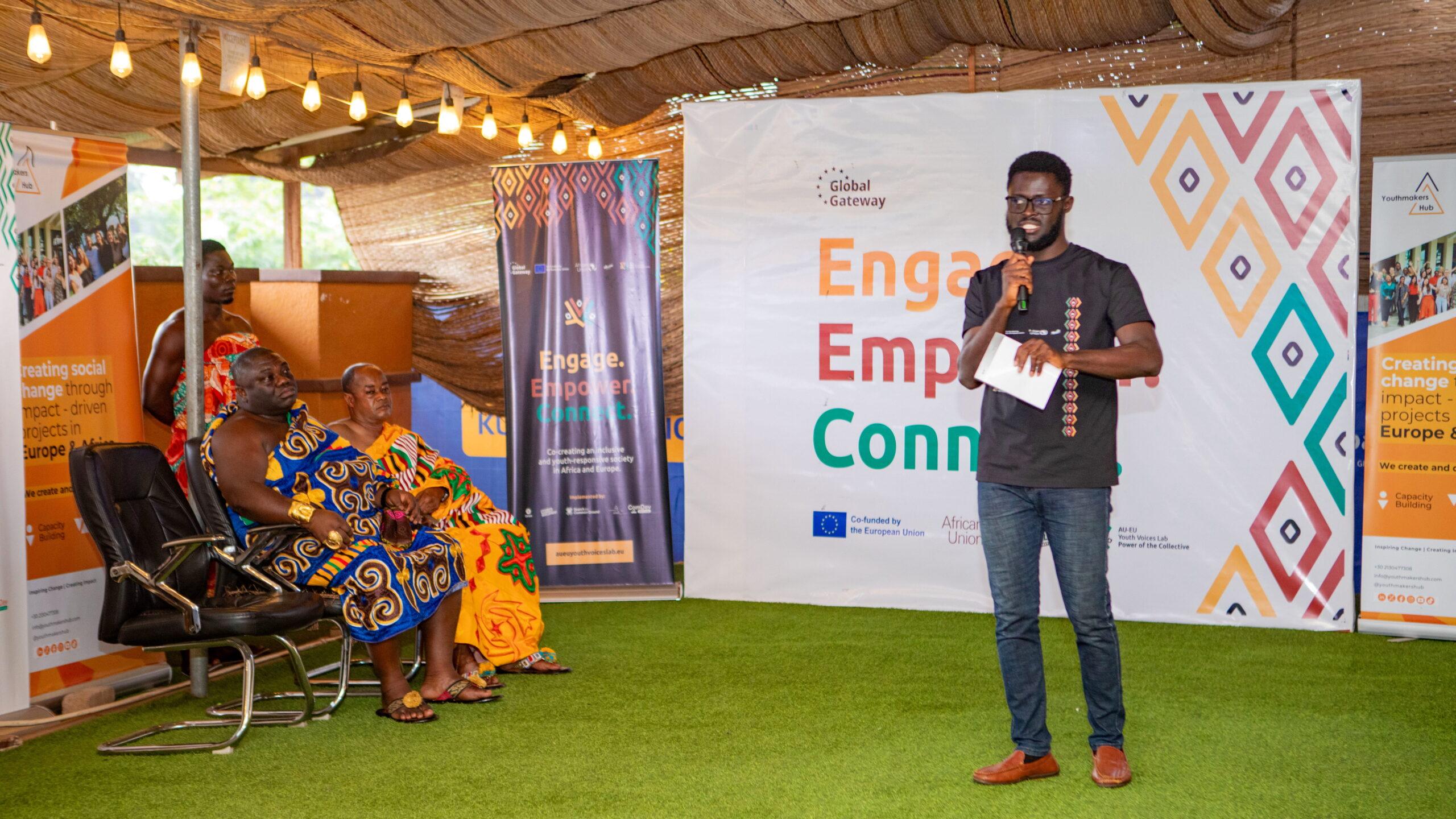
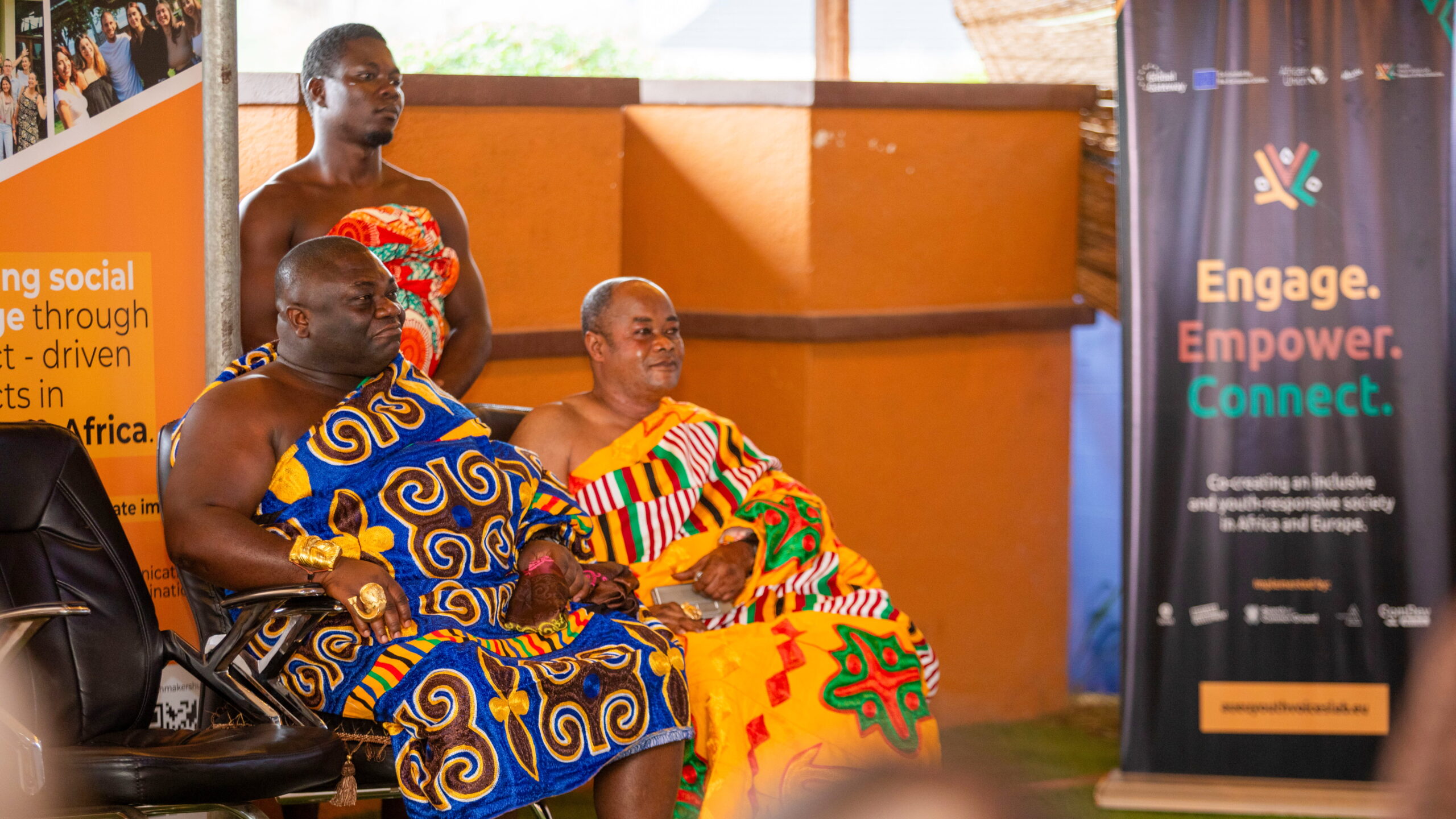
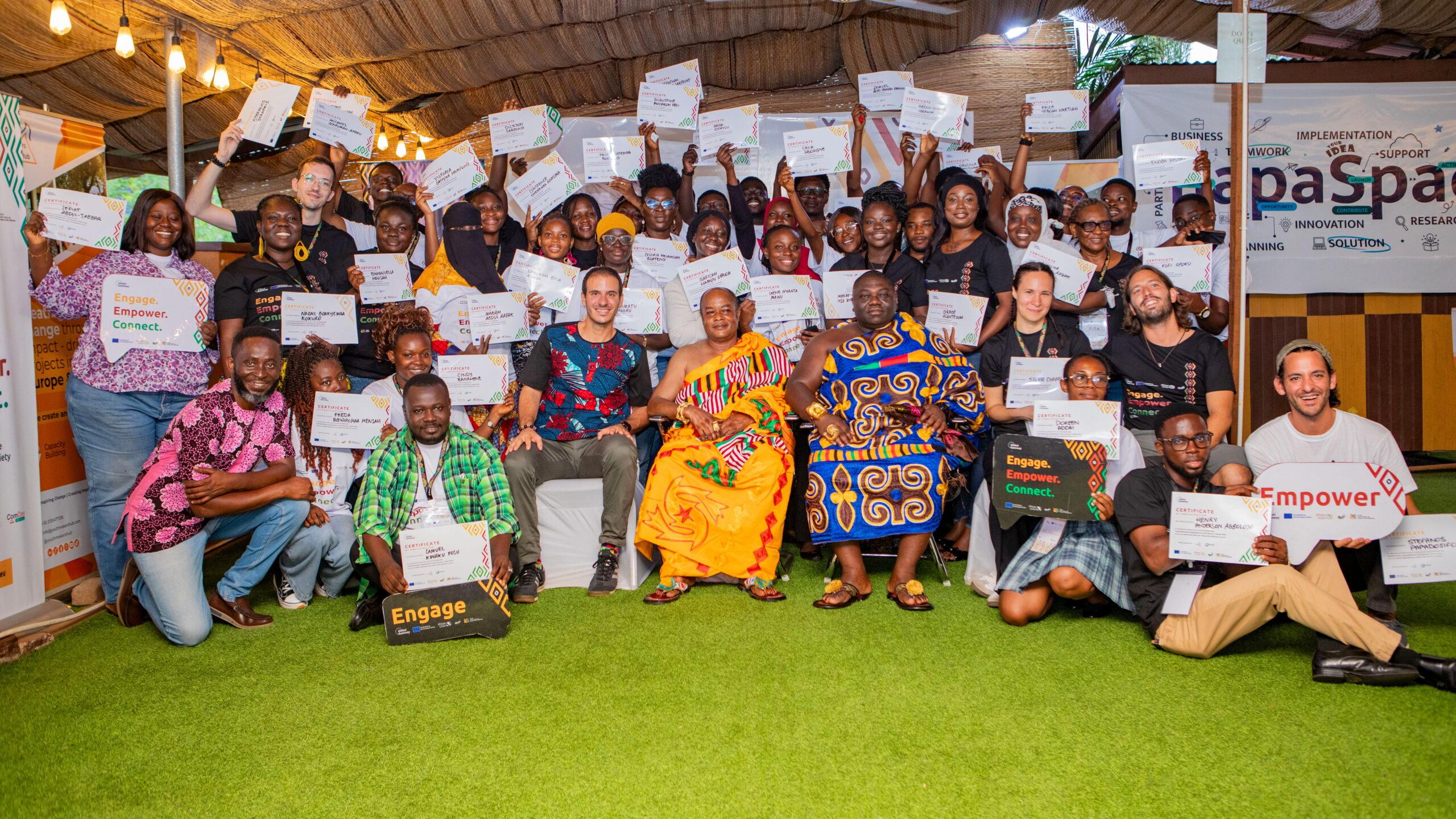
One of the final moments of the training gave participants the opportunity to apply their skills beyond a simulated exercise. Nana Yaw Akuoko, Sepaasehene and Otumfuo Asenehene, Ashanti Chief, joined the training and watched the groups present their ideas. Presenting in front of traditional leadership gave participants a real setting in which to test the skills developed throughout the programme, from message design and audience awareness to pitching, confidence and public speaking.
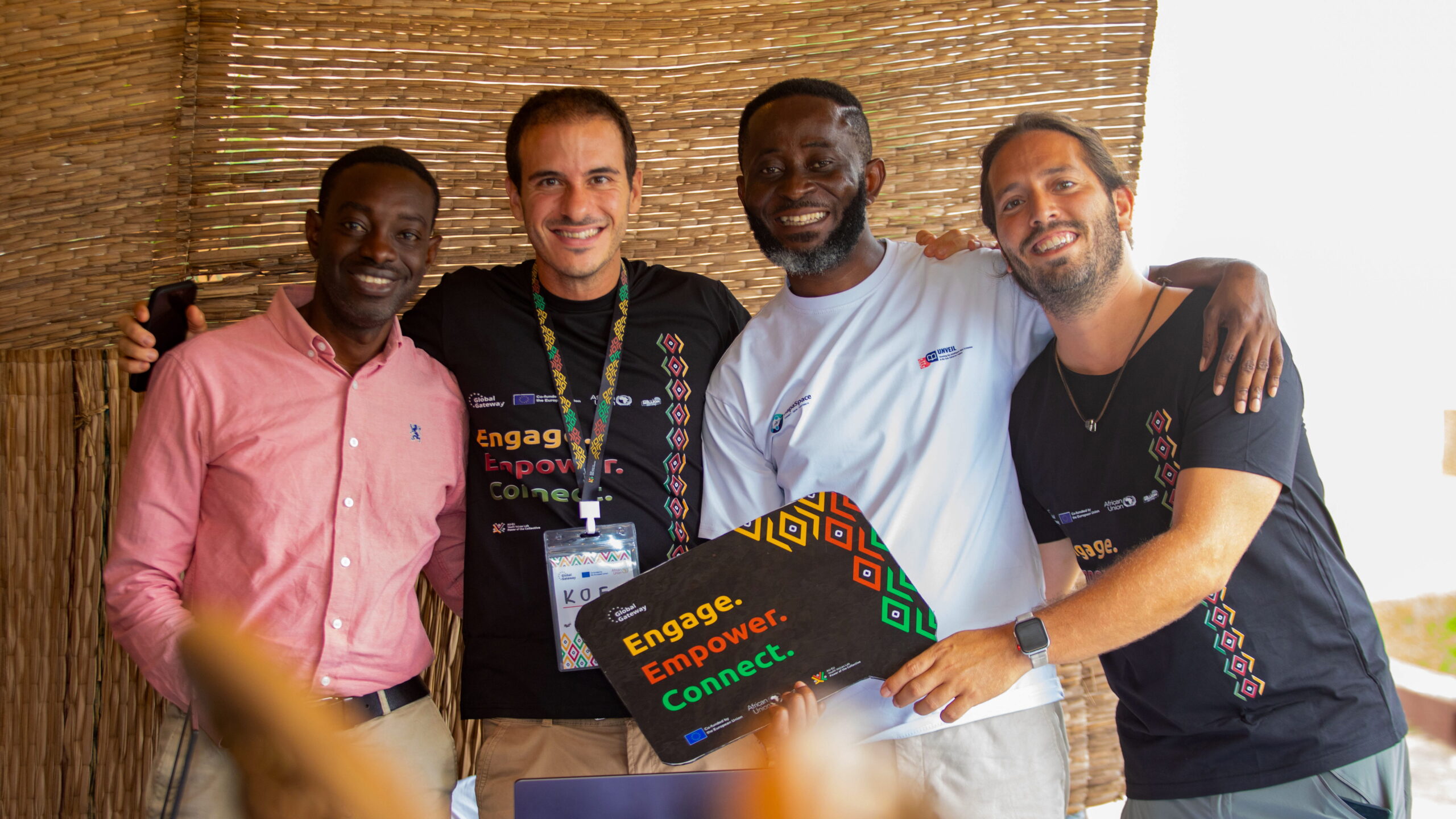
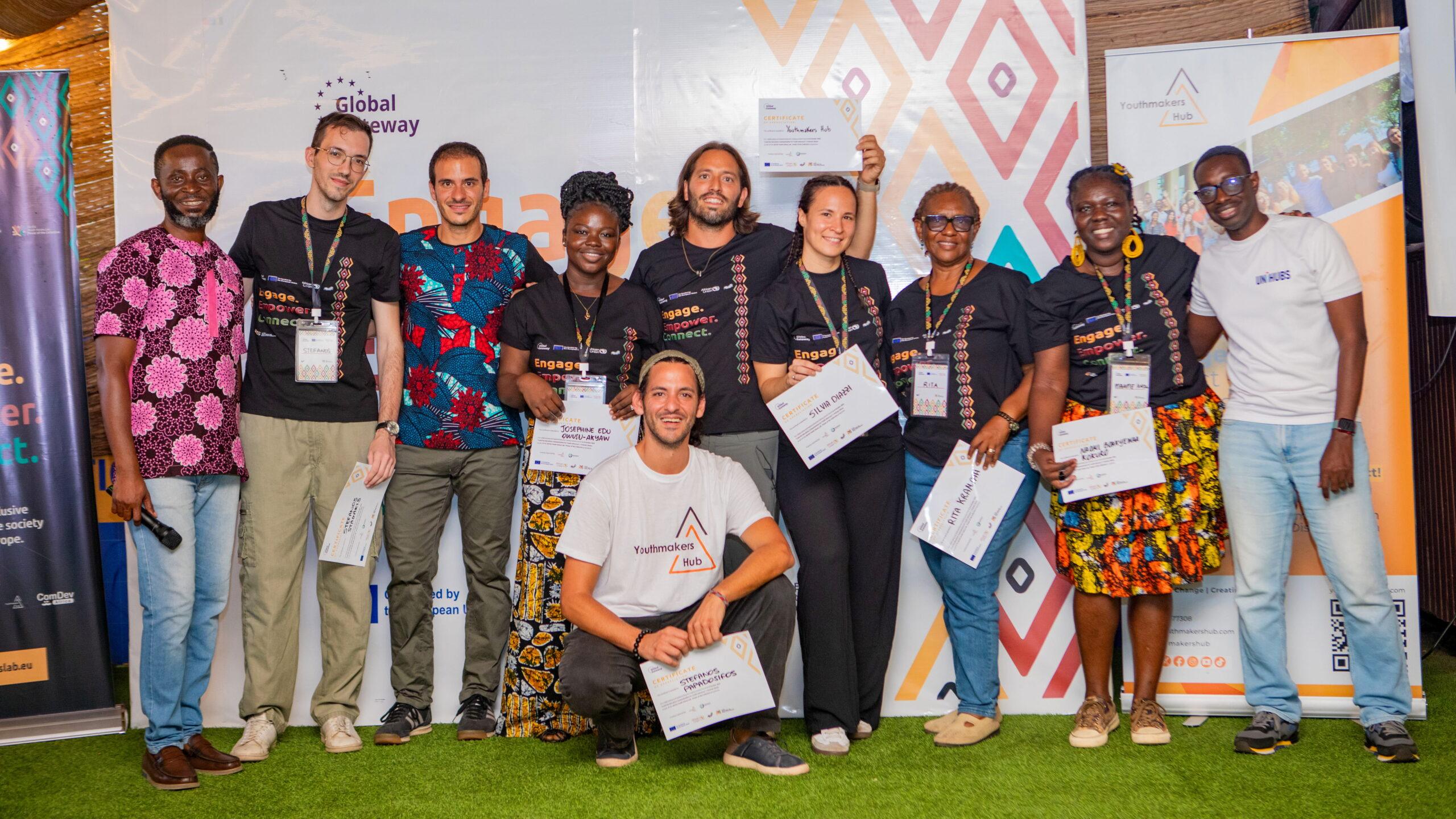
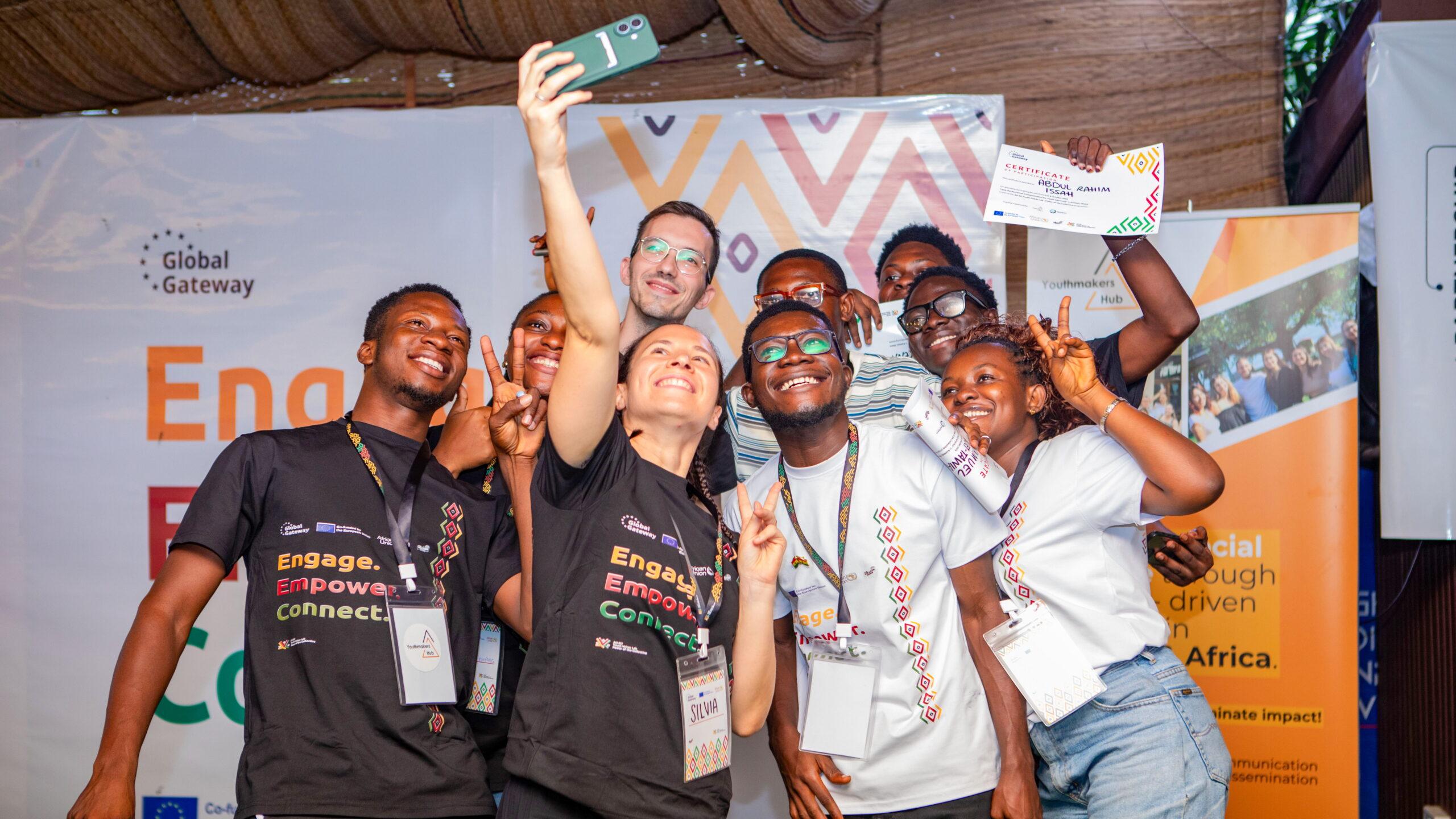
The training concluded with a certificate ceremony and networking, giving participants and trainers a final opportunity to reflect, connect and look ahead to how the learning could be applied within their communities and initiatives.
Over three intensive days, 46 young people strengthened practical skills in communication, message design, storytelling, public speaking, strategy, stakeholder engagement and pitching. They created their own communication content, tested their ideas with different audiences, presented in front of traditional leaders and explored digital tools that can support their continued participation.
With women representing 58.7% of participants, the training also created an inclusive space for young people to exchange experiences, strengthen their networks and learn from one another.