Participating at the Second EU Conference on Youth, Peace and Security
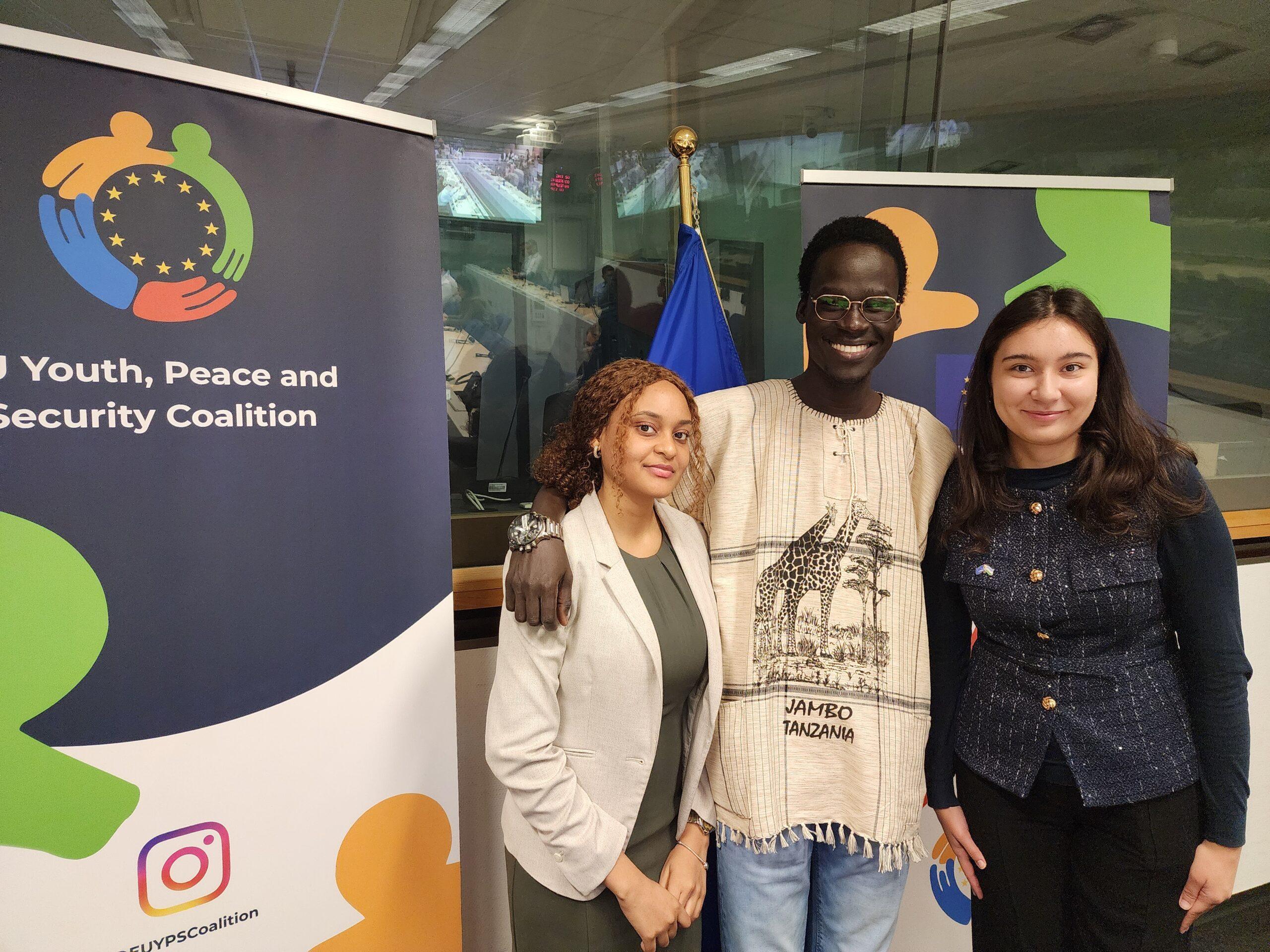
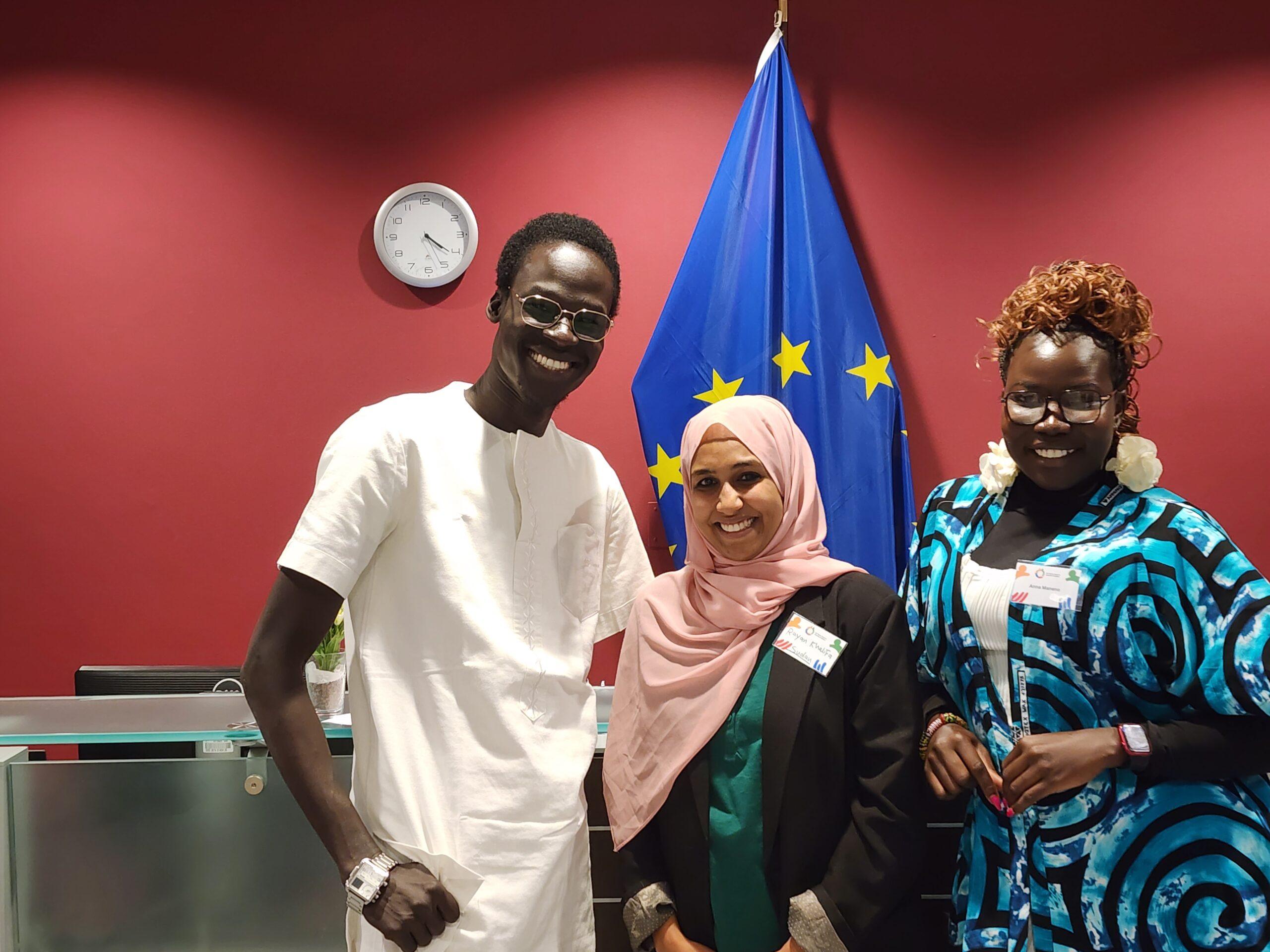
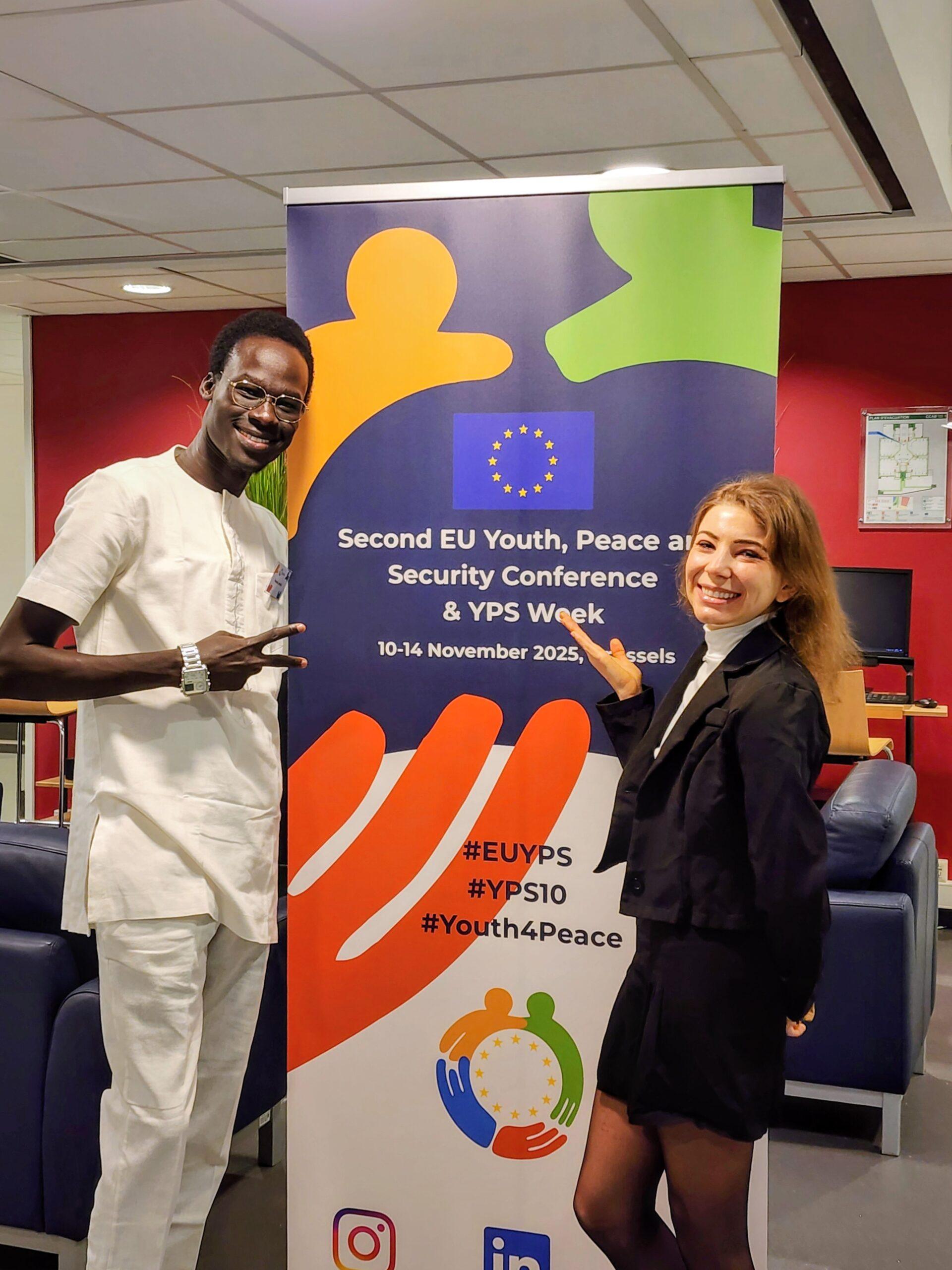
From 10–14 November 2025, the AU‑EU Youth Voices Lab took part in the Second EU Conference on Youth, Peace and Security (YPS), organized by the European External Action Service (EEAS). Marking the 10‑year anniversary of UNSCR 2250, the conference brought together more than 150 young leaders, peacebuilders, institutions, and civil society organisations from across regions to reflect on progress for youth inclusion in peace processes.
Representing the programme, Youth Advisory Board member Mabile M. Jöthdít from South Sudan, participated as an official delegate and panelist, contributing his expertise on community‑led peacebuilding. Mabile’s interventions underscored the importance of grounding peace processes in local knowledge and ensuring that youth perspectives from countries like South Sudan are meaningfully integrated into global policy conversations.
A key outcome of the conference was the co‑creation of the Youth Peacebuilders’ Declaration, a 61‑article document calling for stronger national commitments to the Youth, Peace and Security agenda and deeper collaboration between institutions and young people. For the AU‑EU Youth Voices Lab, contributing to this process reinforced the programme’s role in advocating for youth voices across continents.
Reflecting on the experience, Mabile described the conference as transformative:
“Coming from a nation yearning for peace and trapped in a vicious cycle of conflict, I was able to learn deeply from how different groups of young peacebuilders across Europe, the Americas, the Caribbean, and Asia are maximising the potential of UNSCR 2250. Sitting as a panelist alongside top UN and EU officials, I highlighted how the UN has adopted a community-centred approach to peacebuilding and acknowledged the growing resentment among young people in South Sudan toward traditional security structures.”